
South Africans fear spike in HIV infections as US aid cuts bite
Gugu used to collect her antiretrovirals from a USAID-funded clinic in central Johannesburg.
But when President Trump's cuts to aid funding were announced earlier this year, she and thousands of other HIV-positive patients across South Africa suddenly faced an uncertain future.
Gugu was lucky, the clinic where she got the medication that helps suppress her symptoms contacted her before it closed down.
"I was one of the people who was able to get their medication in bulk. I usually collect a three-month prescription. But before my clinic closed, they gave me nine months' worth of medication."
She will run out of antiretrovirals (ARVs) in September, and then plans on going to her local public hospital for more.
A former sex worker, the 54-year-old found out she was HIV-positive after she'd quit the industry.
Ten years ago she got a chesty cough, and initially thought it was tuberculosis. She went to a doctor who told her she had a chest infection and treated her for it.
But when the treatment failed, she went to a clinic to get an HIV test.
"By then I already assumed that I was HIV-positive, and I told the nurse this."
She was right, and she has been on ARVs ever since. We're not using her real name at her request.
She currently works as a project coordinator for an NGO.
an NGO.
"We help pregnant sex workers get their ARVs, to ensure their children are born HIV-negative. We also do home visits to make sure that the mothers take their medication on time, and to look after their babies when they go for their monthly check-ups."
Many HIV-positive sex workers in South Africa relied on private clinics funded by the US government's now-defunct aid agency, USAID, to get their prescriptions and treatments.
But most of the facilities closed after US President Donald Trump cut most foreign aid earlier this year.
Gugu believes that many sex workers could be discouraged from going to public hospitals for their ARVs if they can no longer get them from clinics.
"The problem with going to public hospitals is the time factor. In order to get serviced at these facilities, you have to arrive at 4 or 5am, and they may spend the whole day waiting for their medication. For sex workers, time is money," Gugu says.
She adds that she recently went to her local hospital with some friends to register her details and build a relationship with staff.
"The nurse who attended to us was very rude. She told us there was nothing special about sex workers."
She thinks this could lead to many sex workers defaulting on their medication, "especially because their hospital files contain a lot of personal information, and the concern is that sometimes the nurses at these local clinics aren't always the most sensitive in dealing with this kind of information".
In a report released on Thursday, the UN body in charge of fighting HIV/Aids does not single out the US, but says that drastic cuts from a number of donors have sent shockwaves around the world, that the "phenomenal progress" in tackling the illness risks being reversed.
"New HIV infections have been reduced by 40% since 2010, and 4.4 million children have been protected from acquiring HIV since 2000. More than 26 million lives have been saved," UNAids says, warning that if the world does not act, there could be an extra six million new HIV infections and four million Aids-related deaths by 2029.
UNAids said that, before the funding cuts, the annual numbers of new HIV infections and Aids-related deaths had sunk to their lowest levels in more than 30 years.
All of the data published in the report is from before the US and other donors slashed funding earlier this year. But it does highlight how much progress could be lost as a result of these cuts.
Sub-Saharan Africa has seen a 56% decline in the number of new infections. The region is still the epicentre of the epidemic - half of all new infections last year were from the continent. But four African countries - Lesotho, Malawi, Rwanda and Zimbabwe - were on track to achieve a 90% decline in new infections by 2030 compared with 2010.
still the epicentre of the epidemic - half of all new infections last year were from the continent. But four African countries - Lesotho, Malawi, Rwanda and Zimbabwe - were on track to achieve a 90% decline in new infections by 2030 compared with 2010.
Another success story for Africa has been the performance of antiretrovirals, which help suppress HIV symptoms. Along with other medical advances in the field, they helped increase life in sub-Saharan Africa from 56 years in 2010 to 62 years in 2024.
The turnaround began when then-US President George W Bush launched an ambitious programme to combat HIV/Aids in 2003, saying it would serve the "strategic and moral interests" of the US.
? Known as the President's Emergency Plan for Aids Relief (Pepfar), it led to the investment of more than $100bn (£74bn) in the global HIV/Aids response - the largest commitment by any nation to address a single disease in the world.
South Africa has about 7.7 million people living with HIV, the highest number in the world, according to UNAids.
About 5.9 million of them receive antiretroviral treatment, resulting in a 66% decrease in Aids-related deaths since 2010, the UN agency adds.
?
? South Africa's government says Pepfar funding contributed about 17% to its HIV/Aids programme. The money was used for various projects, including running mobile clinics to make it easier for patients to get treatment.
The Trump administration's cuts have raised concern that infection rates could spike again.
"I think we're going to start seeing an increase in the number of HIV infections, the number of TB cases, the number of other infectious diseases," Prof Lynn Morris, Deputy Vice-Chancellor of Johannesburg's Wits University, tells the BBC.
"And we're going to start seeing a reversal of what was essentially a real success story. We were getting on top of some of these things."
Gugu points out that treatment is a matter of life and death, especially for vulnerable populations like sex workers.
"People don't want to default on their ARVs. They're scared that they're going to die if they don't get access to them.if they don't get access to them.
The cuts have also affected research aimed at finding an HIV vaccine and a cure for Aids.
"There's the long-term impact, which is that we're not going to be getting new vaccines for HIV," Prof Morris adds.
"We're not going to be keeping on top of viruses that are circulating. Even with new viruses that might appear, we're not going to have the surveillance infrastructure that we once had."
South Africa has been one of the global leaders in HIV research. Many of the medications that help prevent the virus, and which have benefitted people around the world, were trialled in South Africa.
This includes Prep (pre-exposure prophylaxis), a medication which stops HIV-negative people from catching the virus.
Another breakthrough preventive drug released this year, Lenacapavir, an injection taken twice a year and that offers total protection from HIV, was also tried in South Africa.
?
In a lab at Wits University's Health Sciences campus, a small group of scientists are still working on a vaccine for HIV.
They are part of the Brilliant Consortium, a group of labs working across eight African countries to develop a vaccine for the virus.
"We were developing a vaccine test to see how well that works, and then we would trial it on humans," Abdullah Ely, an Associate Professor at Wits University, tells the BBC in his lab.
"The plan was to run the trials in Africa based on research carried out by Africans because we want that research to actually benefit our community as well as all mankind."
But the US funding cuts threw their work into doubt.
"When the stop order came, it meant we had to stop everything. Only some of us have been able to get additional funding so we could continue our work. It's set us back months, probably could even be a year," Prof Ely says.
In June, universities asked the government for a bailout of 4.6bn South African rand ($260m; £190m) over the next three years to cover some of the funding lost from the US.rand ($260m; £190m) over the next three years to cover some of the funding lost from the US.
"We are pleading for support because South Africa is leading in HIV research, but it's not leading for itself. This has ramifications on the practice and policies of the entire globe," says Dr Phethiwe Matutu, head of Universities South Africa.
?
South Africa's Health Minister Aaron Motsoaledi announced on Wednesday that some alternative funding for research had been secured.
The Bill and Melinda Gates Foundation and the Wellcome Trust have agreed to donate 100m rand each with immediate effect, while the government would make available 400m rand over the next three years, he said.
This would bring the total to 600m rand, way below the 4.6bn rand requested by researchers.
As for Gugu, she had hoped that by the time she was elderly, a cure for HIV/Aids would have been found, but she is less optimistic now.
"I look after a nine-year-old. I want to live as long as I can to keep taking care of him," she tells the BBC.
"This isn't just a problem for right now, we have to think about how it's going to affect the next generation of women and young people."
By Eyamu Jimizani
South Africans fear spike in HIV infections as US aid cuts bite.
 Go Back to All Posts


Trending Now - TOP 100
1

Why Africa’s Mineral-Rich Countries Stay Poor: The Hidden Truth Behind Cobalt, Gold, and the Resource Curse, and Profit Shifting.
2

Crystal Palace stunned Liverpool to win the Community Shield
3
More than 50k Russian troops have deserted war from Ukraine
4
Michelle Obama Says America “Ain’t Ready” for a Woman President: Candid Remarks on Kamala Harris Loss and Gender Bias in 2025.
5
MIT Study Reveals AI's Fatal Flaw: Why ChatGPT Still Can't Understand 'No.
6

Why Your Phone Screen Is Shaking: Causes, Fixes, and Prevention Tips
7

Introducing Runfarbiz Network TV Global News software 2026
8

Jeff Bezos Reclaims No. 3 Richest Title From Sergey Brin After Amazon Store Closures
9

Best Music Affiliate Program This 2026 For Musicians.
10
Germany's Air Power Pivot: Inside the 20 New Eurofighter Typhoon Order
11

Elon Musks SpaceX to invest in xAI From $2 billion funding to $113 billion valuation.
12

Niki Biography And Music – Indonesian Singer-Songwriter, Global Pop R&B Artist, Career and Music Journey
13
Aliko Dangote Became The Richest Black Man In The World — And Now He Plans To Invest $1B In Industrial Projects In Zimbabwe.
14
Kampala Traffic Jam Continues To Be Dominated By Bodaboda Riders & Taxis Amidst Coming Events.
15
Acidic Vokoz plans another major concert
16

ARSENAL TO SIGN MADUEKE FROM CHELSEA
17

WordPress Settings Required For Any Good Website Development And Clean User Interface
18

Types of Hacking Methods That Are Popularly Being Used By Hackers.
19
Man United receive key Marcus Rashford transfer exit 'approval' as £44.8m enquiry made
20

SPORTS: All transfer rumors
21
The health benefits of eating sugarcane on daily basis
22
YOU CAN CONTACT SYPHILIS IN YOUR EYES IF YOU ENGAGE IN THESE THREE THINGS.
23

Ugandans spend Shs 55bn a day on TikTok data - Report
24

What Is Agood Webhosting ?
25

Do These Simple Steps To Stop Mustarbation Addiction.
26
Kalaki Leaders Embark On Benchmarking Tour To Revive Education Standards At Top-Performing VH Public School
27
UPDF has disqualified More than 60000 Applicants In Intitail Phase Screening.
28
Tulus Biography Details And Music Of The Artist
29

Fintechs Dominate Africa's Top Startup Valuations in 2025: Flutterwave, OPay, and Wave Lead the Unicorn List.
30

Runfarbiz Related Premium Offers Now Includes Investment, Subscription For Voice, Data & Airtime Bundles Options Updated.
31

We are now operating on both Ads revenue Model and Subscription Offers Just like Spotify, TikTok, Deezer, Apple Music , Mdundo, Boomplay, YouTube Music, Facebook Streams , Latest Runfarbiz Network system Upgrade.
32

Crazy Things Awife May Do To Mess Up Her Relationship
33

Solomon Kampala, Son of Bobi Wine, Engages Mexican Partner Helen Jaquez in Stunning Lakeside Proposal
34

Africa aviation industry, Isaac Balami University of Aeronautics and Management, IBUAM, first aeronautics university Africa.
35
Iran holds state funeral for military leaders killed in Israel conflict.
36
Protect your soul, The world isn’t worth it.
37

Billionaires Elon Musk and Mark Zuckerberg almost ended up in a cage fight over their competing social media platforms.
38
NRM Party Primary Elections Has Failed UpTo Ten Ministers , Report Confirmed by Electoral Commission Uganda.
39
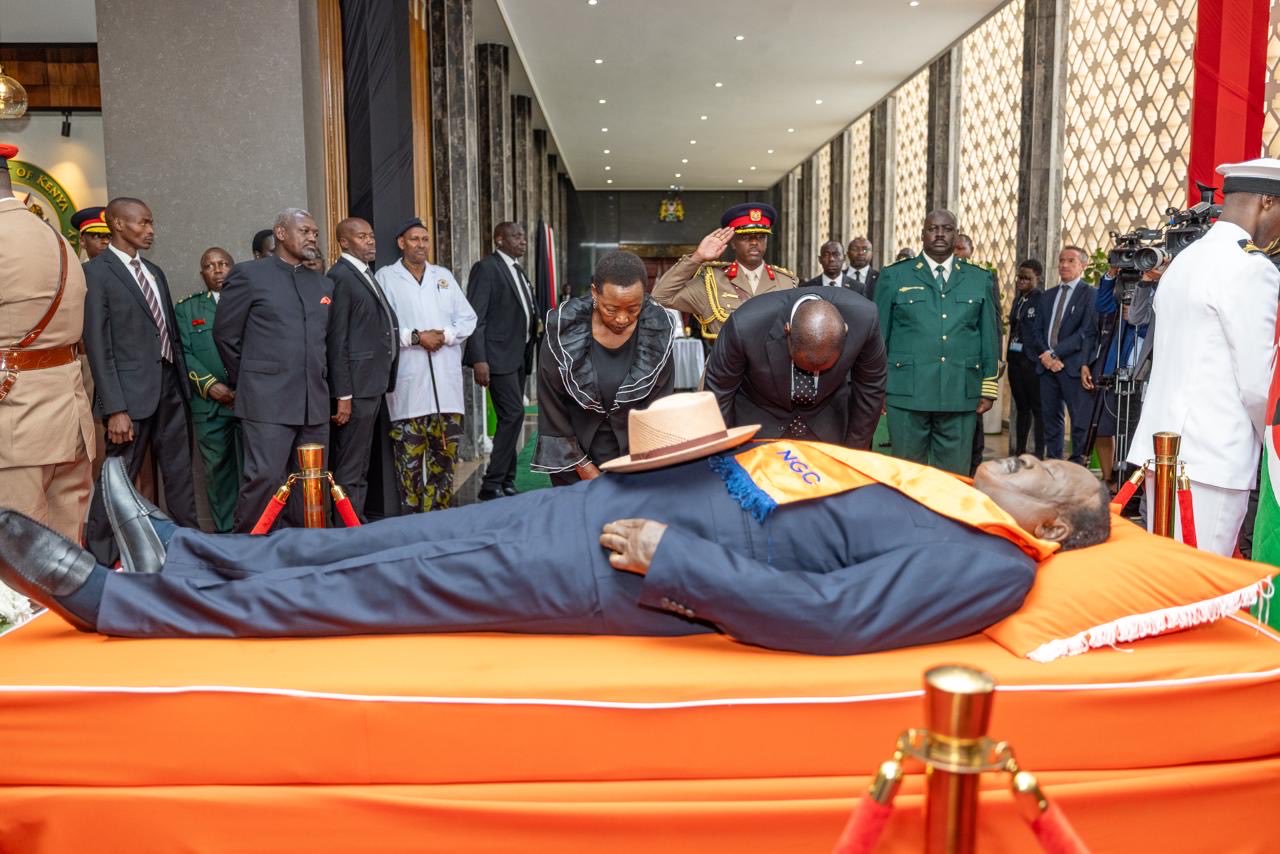
A comprehensive biography of Raila Odinga, exploring his journey from political detainee to Prime Minister, his five presidential bids, and his complex legacy in shaping modern Kenya.
40

The tech world was left stunned when Perplexity, the $18 billion AI startup led by Indian-origin CEO Aravind Srinivas, made an audacious $34.5 billion cash offer to acquire Google Chrome.
41
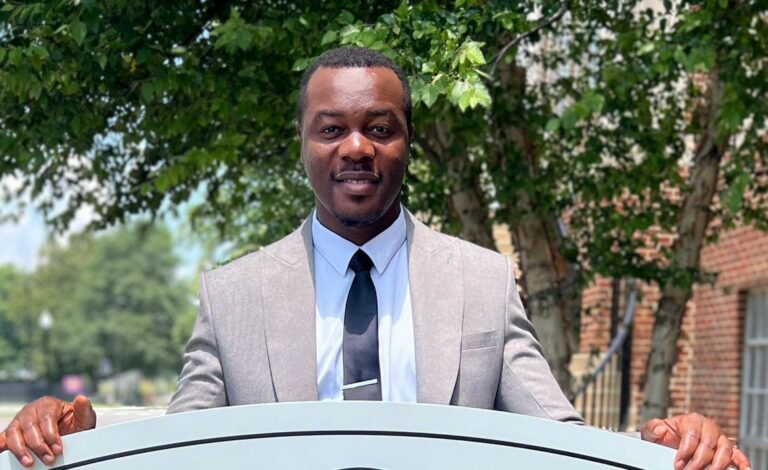
Nigerian researcher develops wireless charging tech for electric vehicles.
42

Official Digital Transformation Update From Runfarbiz Network Admin, Try To Read To The Last Paragraph
43
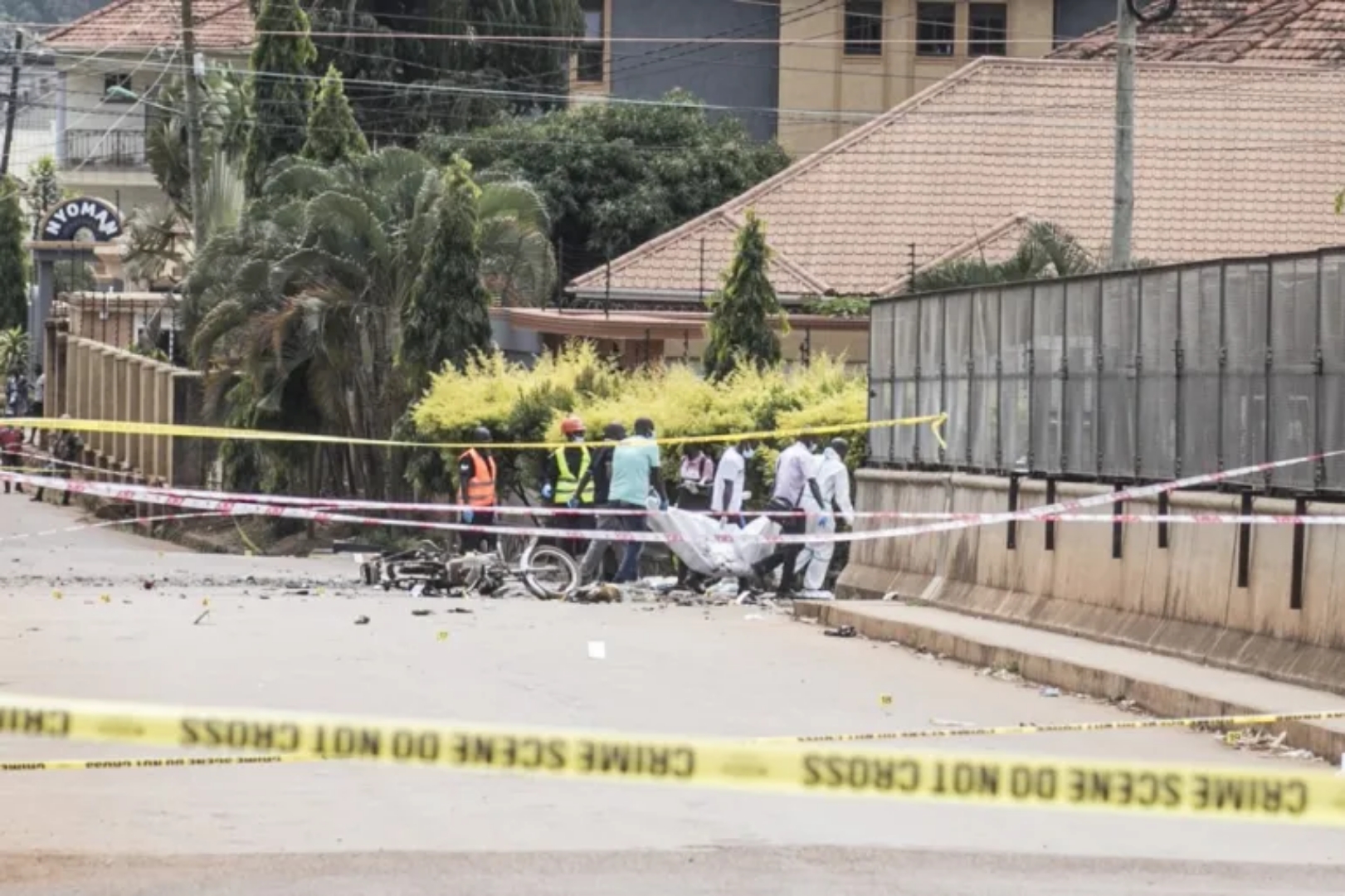
Two Suspected Ugandan Rebels Killed in Kampala Explosion.
44
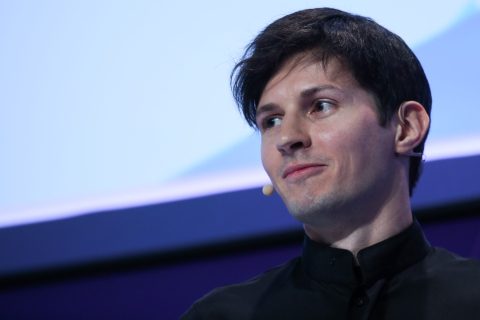
Billionaire Telegram Founder Leaves His $14 Billion Fortune to the 100+ Children He’s Fathered—Which Means $132 Million for Each Lucky Gen Alpha Kid.
45

Trump Health 2025 Perfect MRI No Idea What Body Part Was Scanned, Full Story.
46

The landscape of modern warfare is on the brink of a seismic shift, and China is at the forefront of this transformation.
47
Uganda Secures Over $2 Billion in World Bank Financing to Bolster Development.
48
_biography_–_the_rising_star_in_the_music_industry..jpeg)
DAX (Daniel Nwosu) Biography – The Rising Star in the Music Industry.
49
Assistant referee Peter Kabugo passes away during sports club Villa match against UPDF
50
The Opposition Claims Hundreds Of Tanzanian Protesters Around 700 Already Dead.
51
Uganda Police Ban Campaign Processions and Ambulance Misuse as Bobi Wine Launches Kampala Campaigns in Kawempe | 2026 Elections.
52
Exposed Tricks How Some Financial Credit Institutions In The Names Of Money Lenders Are Stealing From Poor Ugandans .
53
Qatar, UAE, Saudi Arabia, and other Gulf nations have shut down airspace amid rising tensions, causing massive flight cancellations and travel chaos. Latest updates here.
54
Uganda’s New Law Allowing Military Trials for Civilians.
55

Russia Begins Production of Advanced Oreshnik ICBM: A New Era in Strategic Capabilities.
56
Iran-Israel War: Origins, Casualties, Global Impact, and Future Projections.
57

Why J Donald Trump Is Still Dominating American Politics
58

Daily USSD Codes for MTN UG and Airtel UG that may assist you when having some Emergencies.
59
Mdundo Temporarily Blocked My Music Page After Hitting 1 million Streams Plus, My 5 million Uganda Shillings Will be losts .
60
SEE NAMES OF UGANDANS SHORTLISTED FOR GOVERNMENT PAYROLL JOBS AS HEAD TEACHERS, DEPUTIES IN KCCA SCHOOLS.
61
Six Dangerous Diseases You Can Catch Through Kissing _What You Need To Know.
62

TotalEnergies Sued in Uganda Over Unpaid Bill for Toxic Fuel Depot Cleanup in Kampala.
63
Top Most Corrupt Institutions Made To Control Human Race Under The Financial Matrixs They Are Not Telling You.
64
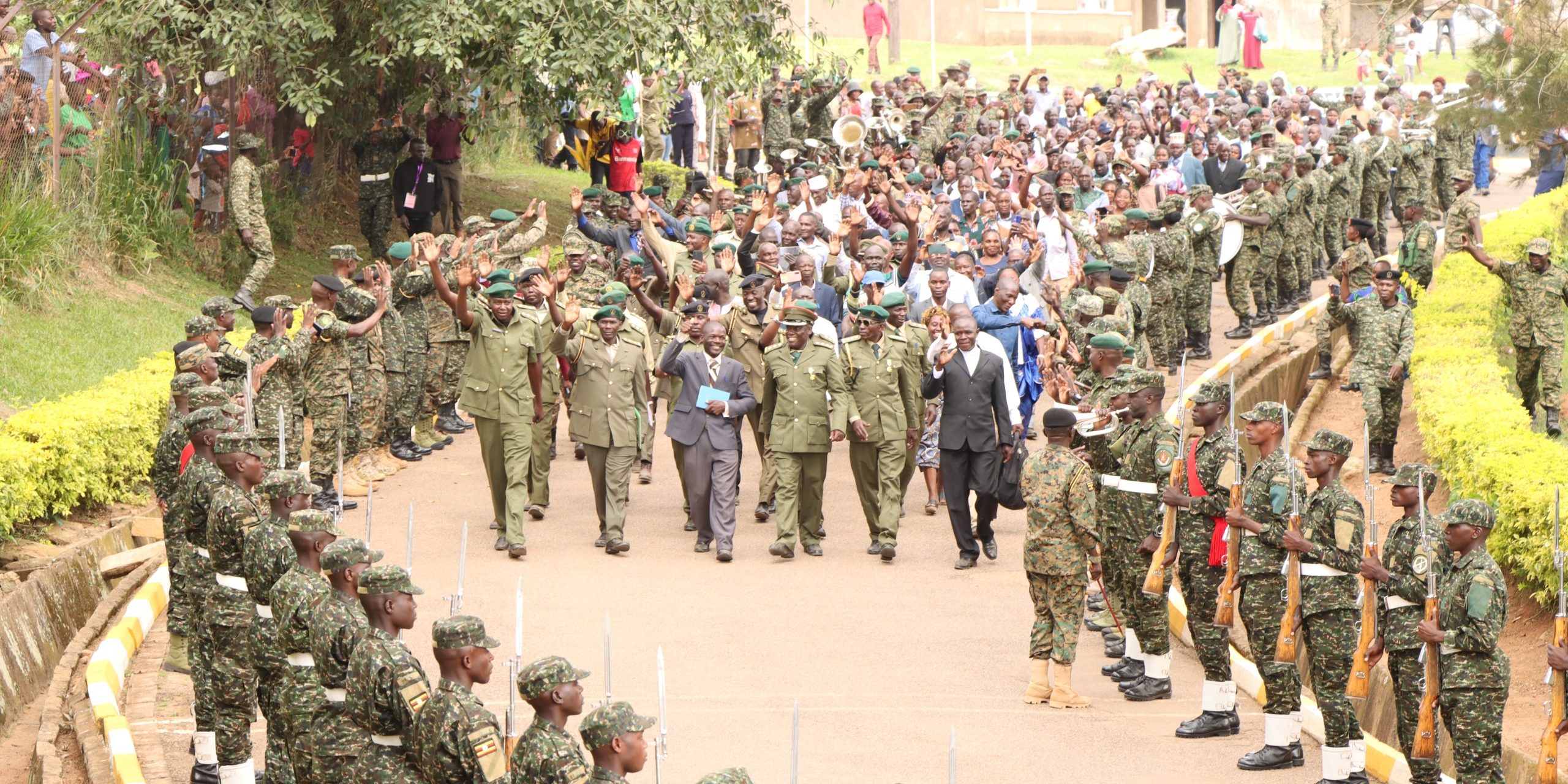
UPDF Bids Farewell to Over 600 Retirees in Nationwide Ceremonies.
65
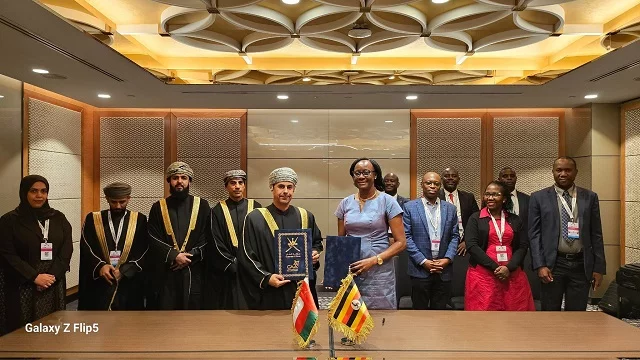
UGANDA SIGNS BILATERAL AIR SERVICE AGREEMENT WITH OMAN.
66

Runfarbiz Network Improved Streaming Features Includes The Following.
67

Microsoft has unveiled their new Copilot AI model
68
VINKA AND FIK FAMAICA TO LEAD MUBs GALA
69
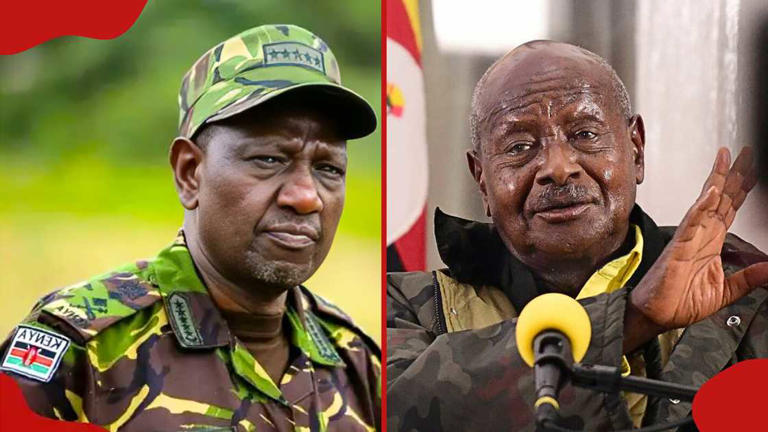
Uganda and Kenya Assure No War Over Indian Ocean Oil Dispute , Museveni Remarks, Mudavadi Response & EAC Diplomacy 2025.
70

See why your always having sex on dreams, Secrets Exposed.
71
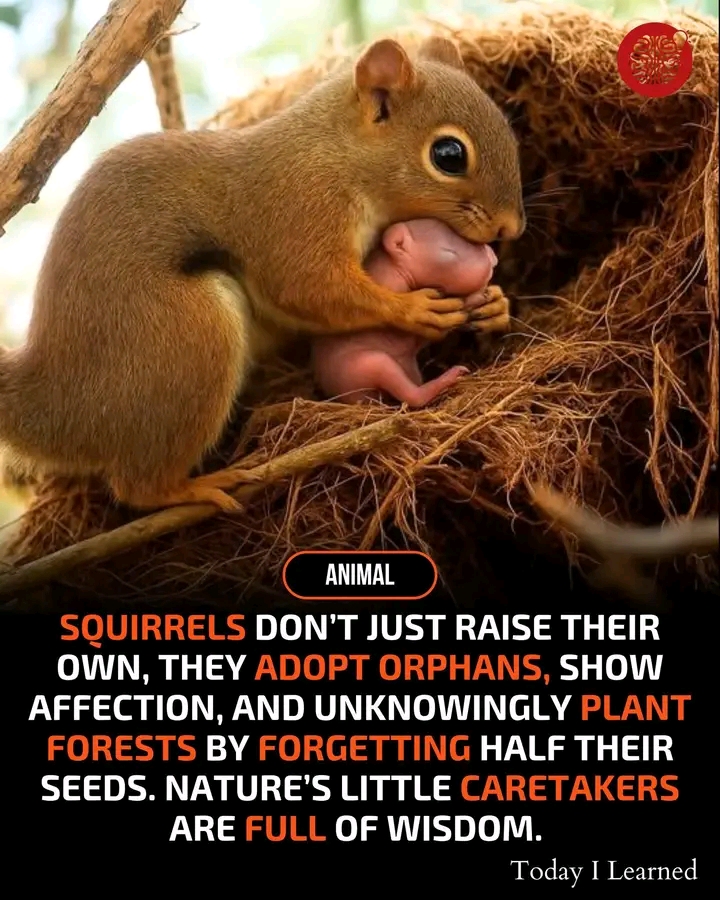
The Secret Life of Squirrels: A Tale of Love, Loyalty, and Forests in the Making.
72
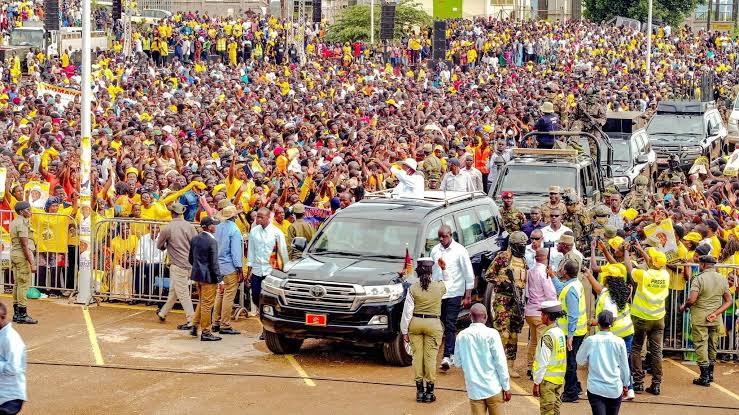
President Yoweri Museveni has promised to address two critical needs in Obongi District—electricity and better roads
73

Antoine Semenyo £65m Release Clause Active in January: Man City, Liverpool & Spurs Monitoring Bournemouth Star.
74
Singer Daudi Mugema dies in Gulu
75
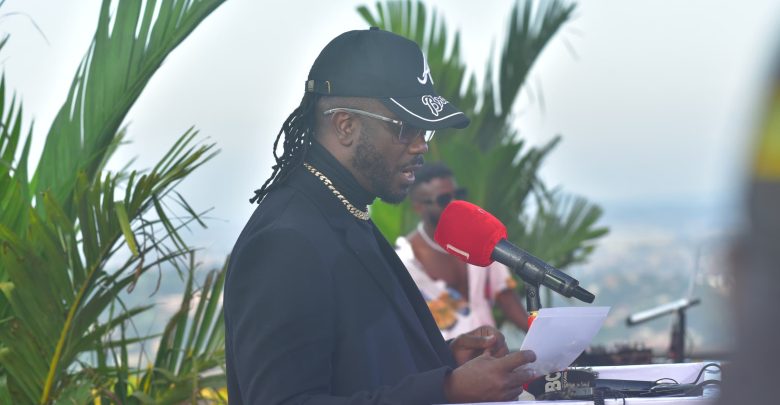
Bebe Cool Announces Release of New Single, ‘Circumference’
76
REPORT REVEALS ALARMING HUMAN RIGHT ABUSES IN KARAMOJA MINING SECTOR.
77
SFC soldier shoots three dead in Agago
78

Uganda and Kenya Harmonise SGR Standards: Land Acquisition Accelerates for Malaba-Kampala Railway Project.
79

Auditor-General Demands Shs2 Trillion Forensic Tax Audit on Uganda Telecom Companies Over Revenue Discrepancies.
80
Arsenal Eye Move for Liverpool Wonderkid Joshua Abe | 15-Year-Old Right-Back Transfer News.
81

British firm discovers gold worth over $5B in western Kenya.
82

U.S. President Donald Trump recently expressed admiration for Pakistan.
83
CDF Kainerugaba On Behalf Of UPDF Is Planning To Reshuffle Their Generals Like GEN Elwelu.
84
GOVERNMENT OF UGANDA TO RECRUIT OVER 2800 TEACHERS AHEAD OF NEW TERM.
85
Bunyoro Kingdom Rejects UCDA Rationalization, Calls for Increased Funding
86

UPC's Jimmy Akena Vows No Space for NRM in 2026 Elections: Uganda People's Congress Resurgence Ahead of General Polls.
87
H.E Yoweri Kaguta Museveni Is The Most Concerned Ugandan Patriot.
88
25 Motivational Tips & Quotes that shall Inspire You.
89

Kylian Mbappé Breaks Messi Record: Youngest to 400 Career Goals Since Pelé at Age 26.
90

Why Bobiwine Has Been Failing The Political Presidential Elections In Uganda.
91
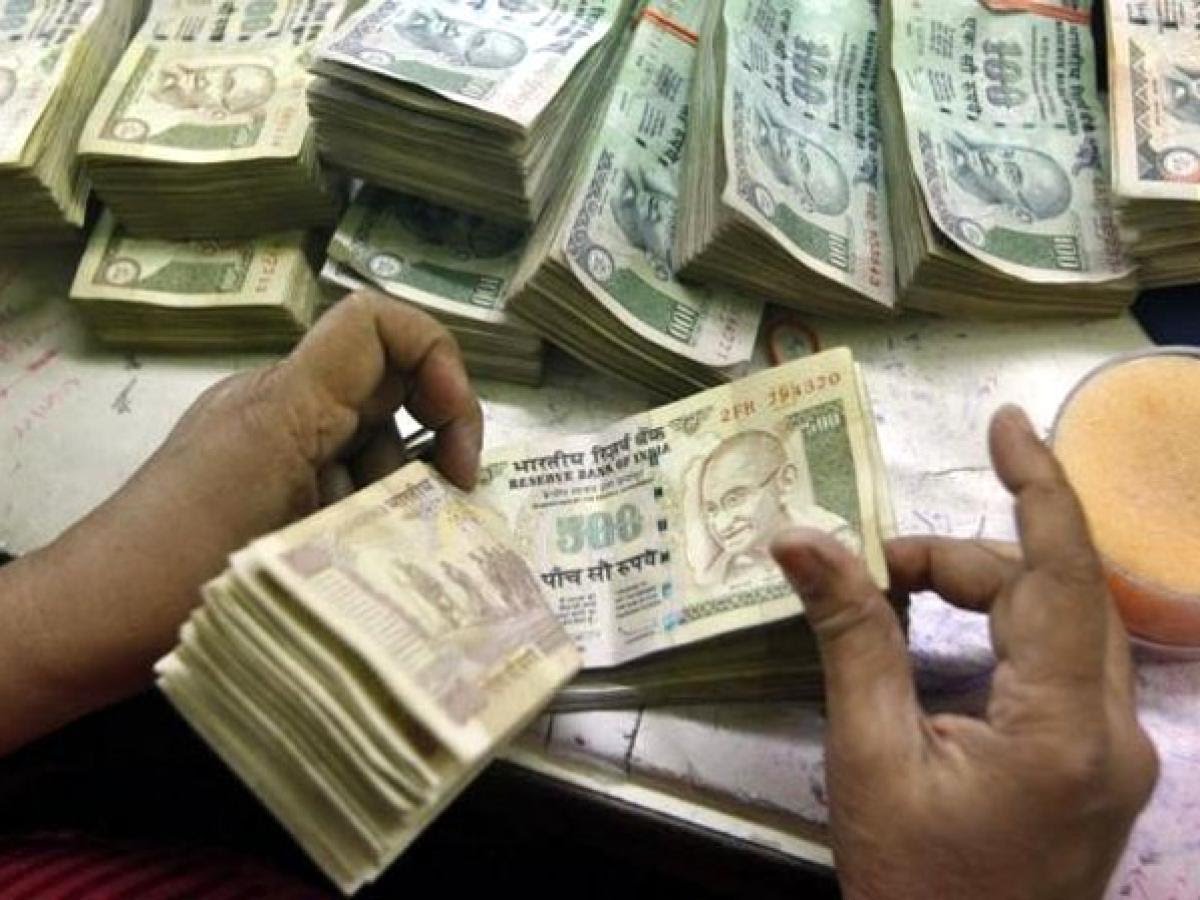
Pakistan Tightens Cash Dollar Sales in Bid to Curb Outflow and Support Rupee.
92
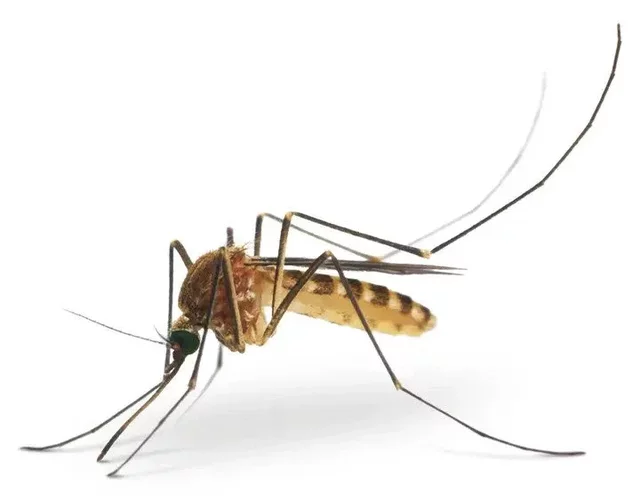
4 THINGS MOSQUITOS DON'T LIKE, WHICH WILL MAKE THEM RUN FROM BITTING YOU.
93

How to stay the happy life without money in your pocket
94
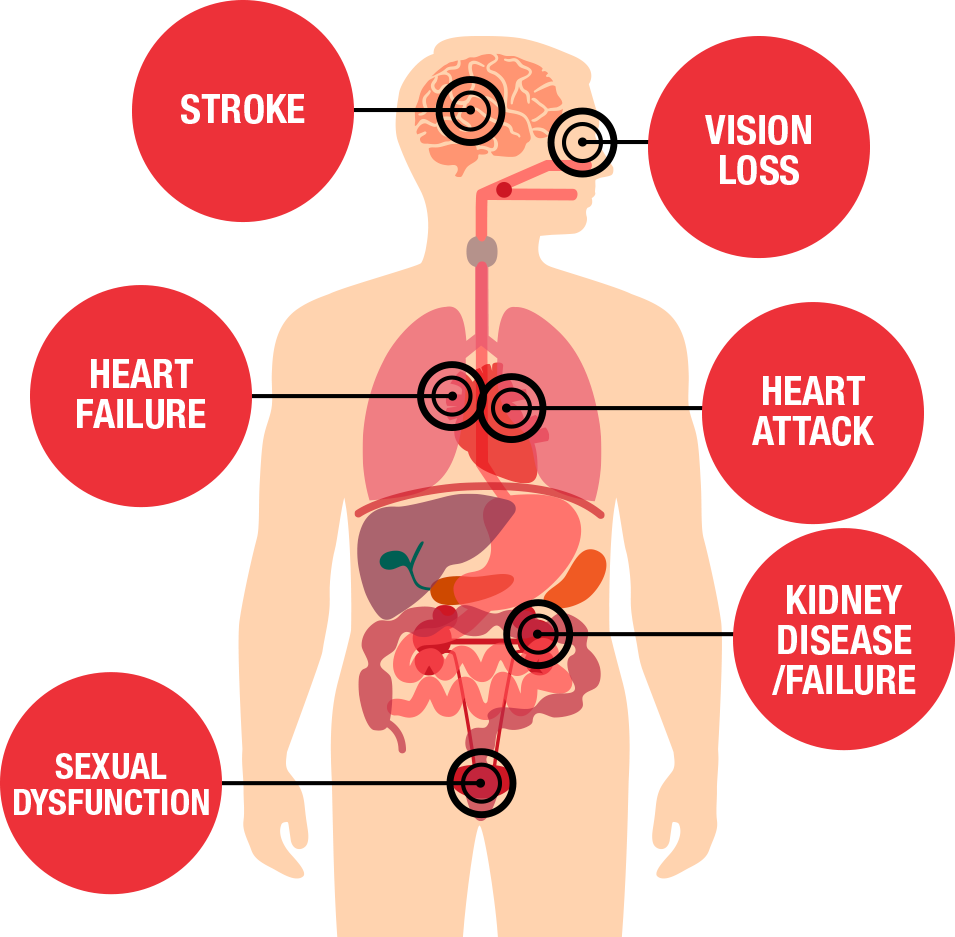
Causes and prevention of high blood pressure
95
Stop praying like this, You will summon demonic forces from abyss without knowing
96

Boywisky music official ft Bill Ranka Uganda have already released a new song titled "Yom Cwinya"
97
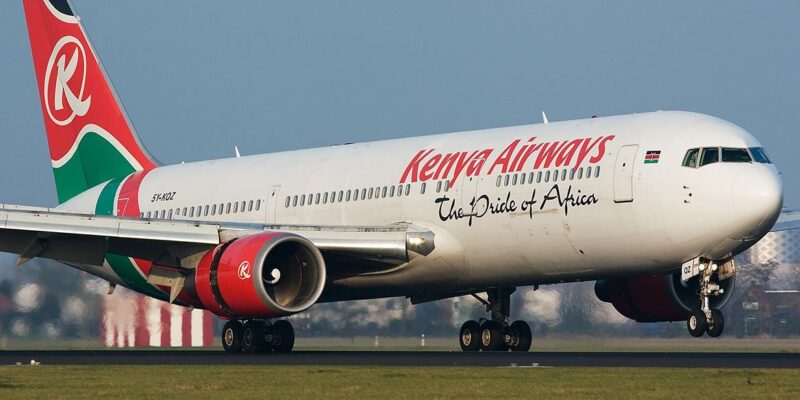
In tit-for-tat, Zambia suspends Kenya Airways flights over country’s denial of access to Zambia Airways
98

HOW UGANDAN'S ENERGY SECTOR WILL PERFORM IN 2026.HOW UGANDAN'S ENERGY SECTOR WILL PERFORM IN 2026.
99
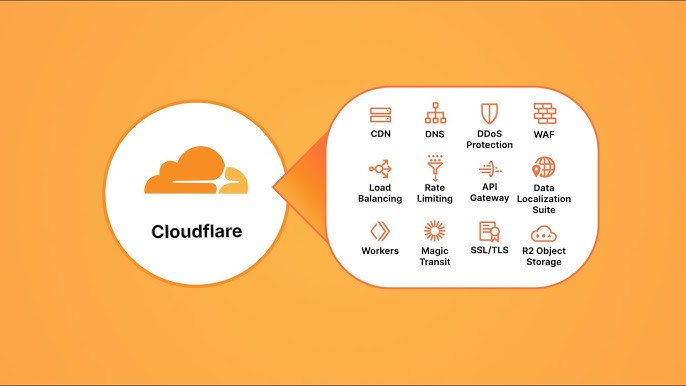
Cloudflare Outage November 18 2025: Why the Internet Broke and How Cloudflare Actually Works Behind the Scenes.
100
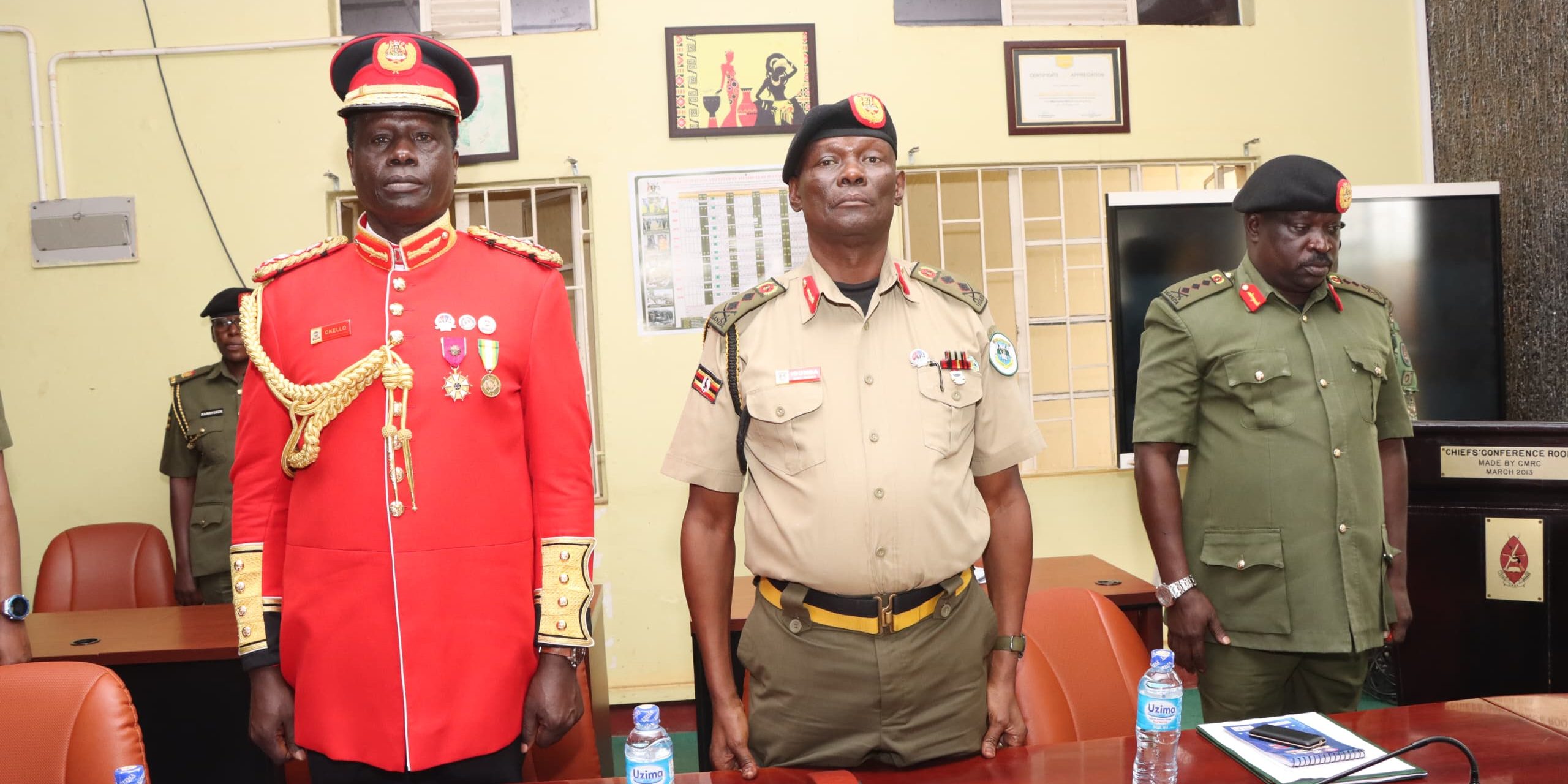
UPDF SALUTS SEVEN GENERALS , AWAITING THEIR OFFICIAL RETIREMENT
RECENT CONTENTS
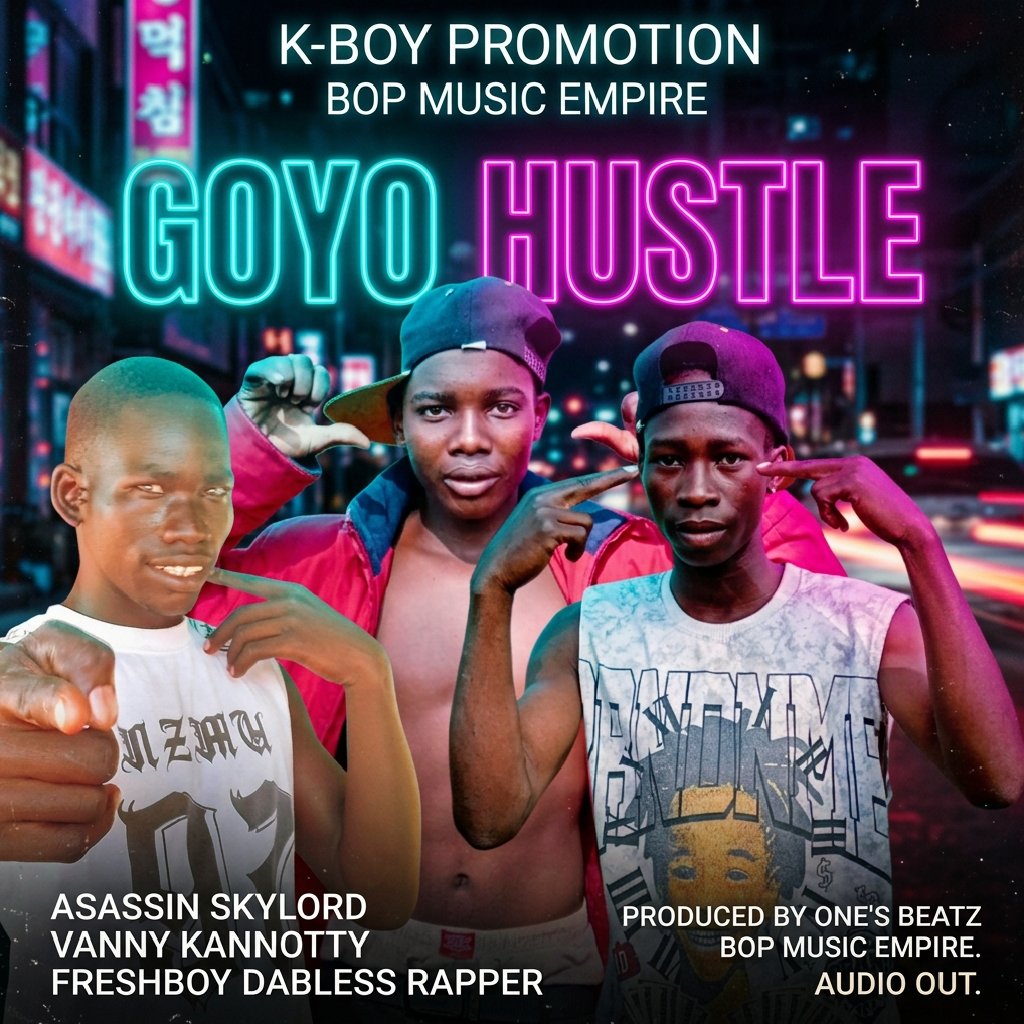
Goyo hustle by FreshBoy dabless rapper ft vanny kanotty_-_Asassin Skylord is out
FreshBoy Dabless, alongside rising artists Vanny Kanotty and Assassin Skylord, has officially released a brand-new hit titled “Goyo Hustle.” The track delivers a powerful message centered on determination, hard work, and the everyday grind for success. “Goyo Hustle,” which translates to hustling, reflects the artists’ real-life experiences and ambitions in the music industry. The collaboration showcases unique styles, energetic delivery, and a strong connection to street culture. Fans and music...
Read More
Biography Of The Chainsmokers
The Chainsmokers are an American electronic music duo comprised of Alex Pall, born on May 16, 1985, and Drew Taggart, born on December 31, 1989. The two came together in New York City in 2012 after Alex, who had been working as a DJ, was introduced to Drew through a manager. They quickly bonded over their shared passion for dance music and began producing original tracks and remixes, initially gaining...
Read More
Irans Supreme Leader Confirmed Killed By Israels Joint Attack With America
On February 28 and into March 1, 2026, Israel and the United States launched a coordinated joint military operation against Iran, marking a significant escalation in long-running tensions over Tehran’s nuclear and missile programs. The offensive involved extensive airstrikes by Israeli forces and participation by U.S. military assets targeting Iranian military infrastructure, command centers, missile sites, air defenses, and political leadership compounds. Several senior Iranian officials and commanders were reported...
Read More
WestLife - Biography And Their Music Journey.
Westlife, the Irish pop group, came together in Dublin in July 1998 when Shane Filan, Kian Egan, and Mark Feehily, who had been schoolmates from Sligo, joined forces with Nicky Byrne and Brian McFadden following auditions to complete the original five-member lineup. by Louis Walsh and initially supported by Ronan Keating, they quickly signed a >
Managedajor record deal and burst onto the scene in 1999 with their debut single...
Read More
Niki Biography And Music – Indonesian Singer-Songwriter, Global Pop R&B Artist, Career and Music Journey
Nicole Zefanya, known professionally as Niki, is an Indonesian singer-songwriter born on January 24, 1999, in Jakarta, Indonesia. She is recognized for her alternative pop and R&B sound and is signed to the record label 88rising. Over the years, she has gained global recognition for her songwriting and musicianship, building an international audience while living and working in the United States.
Niki began developing her musical skills at a young age...
Read More

Afgan Music And Biography Of The Artist – Indonesian Singer, R&B Artist, Albums, Career Journey, and Music Evolution.
Afgansyah Reza, known professionally as Afgan, is an Indonesian singer and actor born on May 27, 1989, in Jakarta, Indonesia. He is widely recognized for his smooth pop and R&B style and has become one of Indonesia’s most prominent contemporary male vocalists.
He grew up in a musical Muslim family of Minangkabau heritage and is the second of four children.
Interestingly, despite later becoming famous for his voice, he never underwent...
Read More