
The Gaza Ceasefire and Netanyahu’s Precarious Future: A Deep Dive into Israel’s Political Landscape.


The article incorporates trending news themes, draws on recent analyses, and maintains a balanced perspective while exploring the political, diplomatic, and social challenges Netanyahu faces in the wake of the ceasefire. The structure remains coherent, with clear sections addressing the ceasefire’s implications, Israel’s international isolation, domestic political dynamics, and Netanyahu’s personal and legal challenges. Israeli Prime Minister Benjamin Netanyahu has long been a polarizing figure, both at home and abroad. His leadership during the Gaza war, which has claimed over 67,000 Palestinian lives and caused widespread humanitarian devastation, has drawn intense scrutiny. Critics argue that Netanyahu has exploited the conflict to bolster his political standing, deflecting attention from domestic challenges and legal troubles. Now, with a ceasefire in place, the spotlight is back on these unresolved issues. The agreement, hailed by Netanyahu as a victory, is seen by some as a forced move, driven by international pressure and a White House increasingly frustrated with the financial and diplomatic costs of Israel’s actions. As the dust settles, the question looms: what challenges does Netanyahu face in the lead-up to next year’s Israeli elections, and how dangerous are they? This article explores the multifaceted pressures bearing down on Netanyahu—diplomatic isolation, economic strain, domestic political instability, and personal legal battles—while situating them within the broader context of Israel’s current reality. It also examines the ceasefire’s implications, the role of international and domestic actors, and the potential paths forward for Netanyahu and Israel. The Ceasefire: A Victory or a Compromise? The Gaza ceasefire, announced in late 2025, marks a significant turning point in the two-year conflict that has ravaged the Palestinian enclave. For Netanyahu, presenting the ceasefire as a triumph has been a priority. In public statements, he has emphasized Israel’s military achievements, claiming the operation weakened Hamas’s infrastructure and restored deterrence. However, analysts like former Israeli ambassador Alon Pinkas argue that the ceasefire was less a choice than a necessity, driven by external pressures rather than strategic success. The Biden administration, grappling with the war’s escalating costs—both in terms of U. S. financial aid to Israel and the diplomatic fallout in the Middle East—appears to have played a pivotal role. Reports suggest that Washington, facing growing domestic and international criticism, pressed Netanyahu to accept a deal. The ceasefire, mediated through regional powers like Egypt and Qatar, includes provisions for a cessation of hostilities, limited humanitarian aid to Gaza, and prisoner exchanges. Yet, it falls short of addressing the root causes of the conflict, leaving many to question its durability. For Netanyahu, the ceasefire is a double-edged sword. On one hand, it temporarily halts the military campaign, allowing Israel to redirect resources and attention to other fronts, such as tensions with Hezbollah in Lebanon or Iran’s regional influence. On the other hand, it exposes him to criticism from hardline coalition partners who view any pause in hostilities as a concession to Hamas. Finance Minister Bezalel Smotrich and National Security Minister Itamar Ben-Gvir, both vocal opponents of the ceasefire, have publicly expressed their discontent, though they remain in the coalition—for now. The ceasefire also shifts the narrative back to the war’s human toll. Over 67,000 Palestinians have been killed, according to Gaza health officials, with millions displaced and famine-like conditions reported across the enclave. The international community’s outrage has grown, fueled by images of destruction and suffering. Unless Netanyahu’s government can restrict media access to Gaza—a tactic it has employed in the past—the increased coverage of these atrocities risks further cementing Israel’s pariah status on the global stage. Israel’s Growing Isolation: A Pariah State? Israel has never been more isolated diplomatically than it is today, and for many, Netanyahu has become the face of that isolation. The war in Gaza has drawn unprecedented condemnation, with the International Criminal Court (ICC) issuing arrest warrants for Israeli officials, including Netanyahu, for alleged war crimes. While Israel does not recognize the ICC’s jurisdiction, the warrants symbolize the country’s eroding international standing. Countries once considered allies, such as Canada and several European nations, have imposed sanctions or restricted arms exports to Israel, citing the humanitarian crisis in Gaza. The United Nations General Assembly has passed multiple resolutions condemning Israel’s actions, with even traditional supporters like the United States abstaining in some cases. The Biden administration, while continuing to provide military aid, has faced domestic pressure to reassess its unconditional support. Progressive Democrats, in particular, have called for a reevaluation of U. S.-Israel relations, pointing to the staggering death toll and the blockade’s impact on Gaza’s civilian population. Netanyahu’s response to this isolation has been defiant. In a September 2025 speech, he outlined a vision for Israel as a “Super Sparta”—a self-reliant, militarized state capable of withstanding economic and diplomatic isolation. The reference to the ancient Greek city-state, known for its martial culture, was meant to rally domestic support but backfired. The Israeli stock exchange plummeted, and the shekel lost significant value against major currencies. The Israel Business Forum, representing 200 of the country’s largest companies, issued a rare rebuke, stating, “We are not Sparta.” The business community’s reaction underscores the economic risks of Netanyahu’s approach, as foreign investment wanes and trade partners grow wary. The “Super Sparta” vision also reflects Netanyahu’s long-term strategy of prioritizing security over diplomacy. His government has expanded settlements in the occupied West Bank, further straining relations with the European Union and Arab states that had warmed to Israel under the Abraham Accords. The United Arab Emirates and Bahrain, which normalized ties with Israel in 2020, have expressed frustration with the war’s destabilizing effects on the region. Saudi Arabia, once a potential partner in normalization, has distanced itself, citing the need for progress toward a Palestinian state—a prospect Netanyahu has consistently rejected. Domestic Challenges: A Fractured Coalition and a Divided SocietyAt home, Netanyahu faces a precarious political landscape. His coalition, a fragile alliance of right-wing and far-right parties, has been strained by the ceasefire and broader governance issues. Smotrich and Ben-Gvir, key figures in the coalition, have built their political brands on uncompromising stances toward the Palestinians. Their opposition to the ceasefire, while not yet leading to their departure, signals potential instability. Should they exit, Netanyahu’s government could collapse, triggering early elections. To shore up support, Netanyahu is reportedly pushing legislation to exempt ultra-Orthodox yeshiva students from mandatory military service—a divisive issue that has long alienated secular Israelis. The move aims to secure the backing of ultra-Orthodox parties like Shas and United Torah Judaism, which could stabilize the coalition if far-right members defect. However, it risks further alienating the broader public, particularly those who view the exemption as unfair in a country where military service is a cornerstone of national identity. Public discontent extends beyond the draft issue. The war has exacerbated economic challenges, with inflation rising and the cost of living soaring. The Israeli economy, heavily reliant on technology and defense exports, has faced disruptions due to the war and international sanctions. Small businesses, in particular, have struggled, and protests have erupted in Tel Aviv and Jerusalem demanding economic relief and accountability for the war’s costs. Netanyahu’s handling of the judiciary also remains a flashpoint. In 2023, his government’s attempt to overhaul Israel’s judicial system, limiting the Supreme Court’s powers, sparked massive protests and accusations of democratic backsliding. While the war temporarily shifted focus, the ceasefire has revived these concerns. Critics argue that Netanyahu’s judicial reforms were designed to shield him from legal accountability, a charge that resonates as his corruption trial looms. The Legal Shadow: Netanyahu’s Personal BattlesPerhaps the most immediate threat to Netanyahu’s leadership is his ongoing corruption trial. Charged with bribery, fraud, and breach of trust, Netanyahu has denied the allegations, framing them as a politically motivated witch hunt. The trial, which began in 2020, has progressed slowly, but the ceasefire may accelerate its pace by removing the war as a distraction. A conviction could result in jail time, effectively ending his political career. The charges stem from three cases: Case 1000, involving gifts from wealthy benefactors; Case 2000, concerning an alleged deal with a newspaper publisher for favorable coverage; and Case 4000, centered on regulatory favors for a telecommunications company in exchange for positive media coverage. Prosecutors have presented extensive evidence, including testimony from former aides, but Netanyahu’s legal team has sought to delay proceedings, citing his responsibilities as prime minister. The trial’s outcome is uncertain, but its political impact is already significant. Opponents, including centrist and left-wing parties like Yesh Atid and Labor, have seized on the charges to portray Netanyahu as unfit to lead. Even within his Likud party, whispers of dissent have grown, with figures like Defense Minister Yoav Gallant positioning themselves as potential successors. The Road to the Elections: Can Netanyahu Survive? With Israeli elections scheduled for 2026, Netanyahu faces a critical test. His ability to maintain coalition unity, navigate economic challenges, and manage his legal troubles will determine his political survival. Public opinion polls show mixed support: while some Israelis credit him with a strong stance against Hamas, others blame him for the war’s devastating consequences and Israel’s isolation.



Trending Now - TOP 100
1

Why Africa’s Mineral-Rich Countries Stay Poor: The Hidden Truth Behind Cobalt, Gold, and the Resource Curse, and Profit Shifting.
2

Crystal Palace stunned Liverpool to win the Community Shield
3
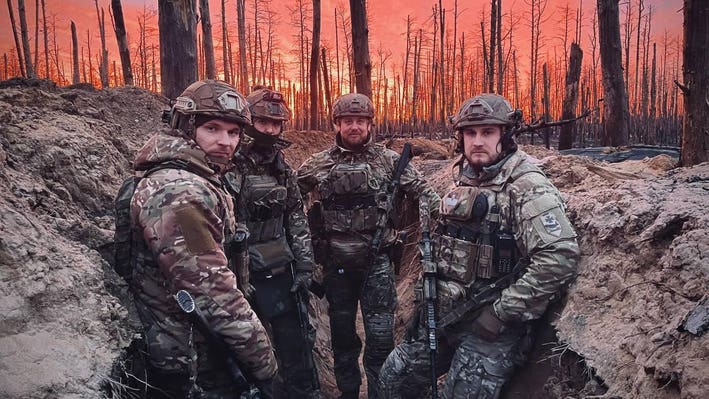
More than 50k Russian troops have deserted war from Ukraine
4
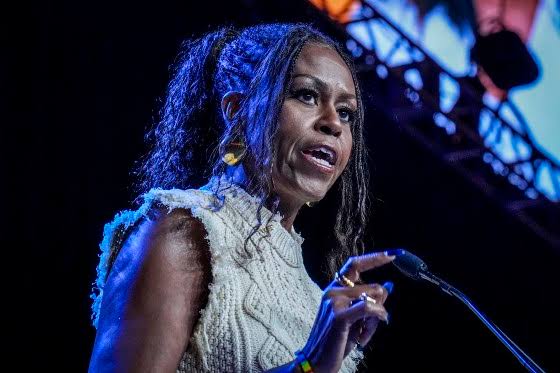
Michelle Obama Says America “Ain’t Ready” for a Woman President: Candid Remarks on Kamala Harris Loss and Gender Bias in 2025.
5

MIT Study Reveals AI's Fatal Flaw: Why ChatGPT Still Can't Understand 'No.
6

Why Your Phone Screen Is Shaking: Causes, Fixes, and Prevention Tips
7

Introducing Runfarbiz Network TV Global News software 2026
8

Jeff Bezos Reclaims No. 3 Richest Title From Sergey Brin After Amazon Store Closures
9

Best Music Affiliate Program This 2026 For Musicians.
10

Elon Musks SpaceX to invest in xAI From $2 billion funding to $113 billion valuation.
11
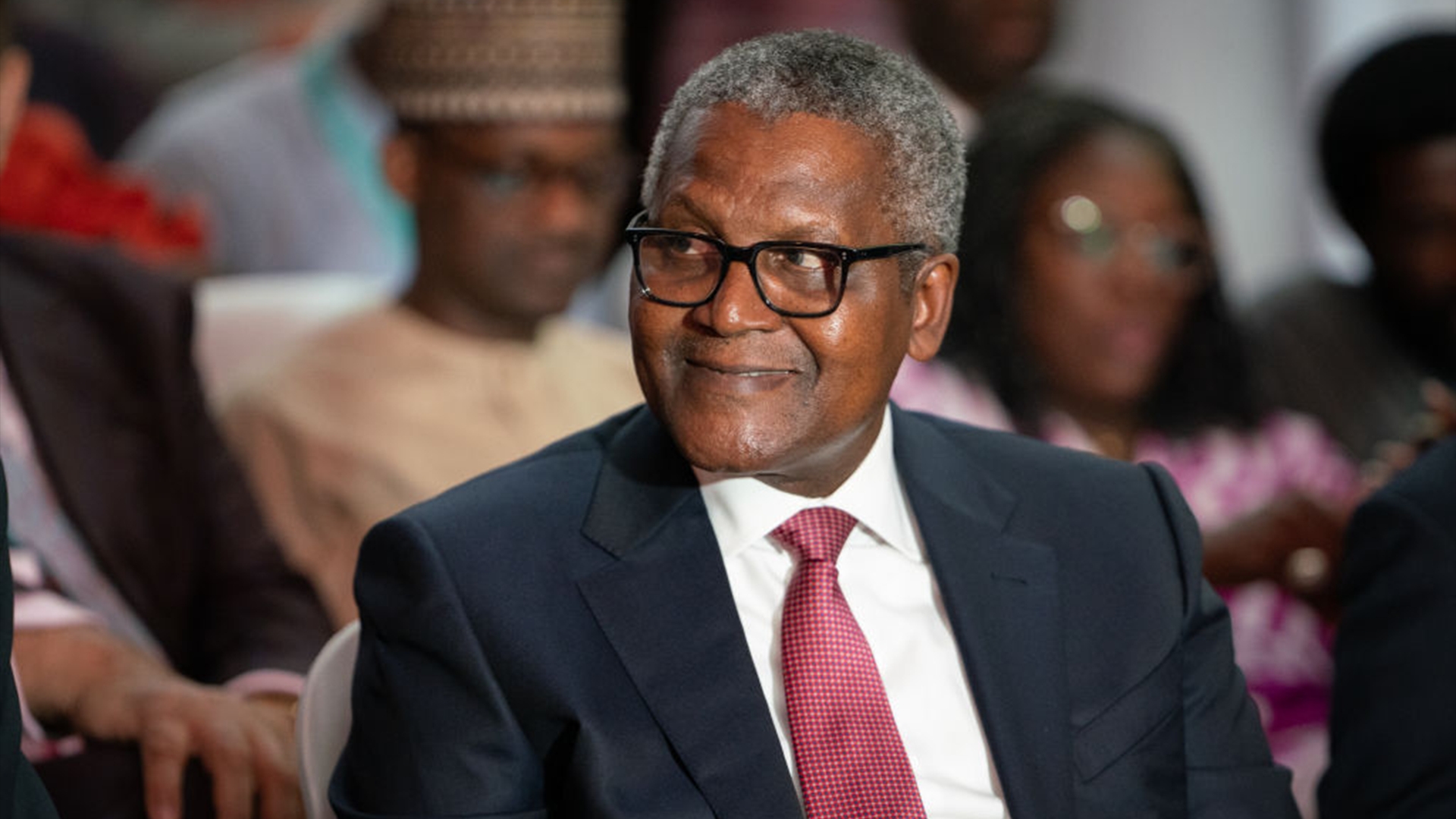
Aliko Dangote Became The Richest Black Man In The World — And Now He Plans To Invest $1B In Industrial Projects In Zimbabwe.
12
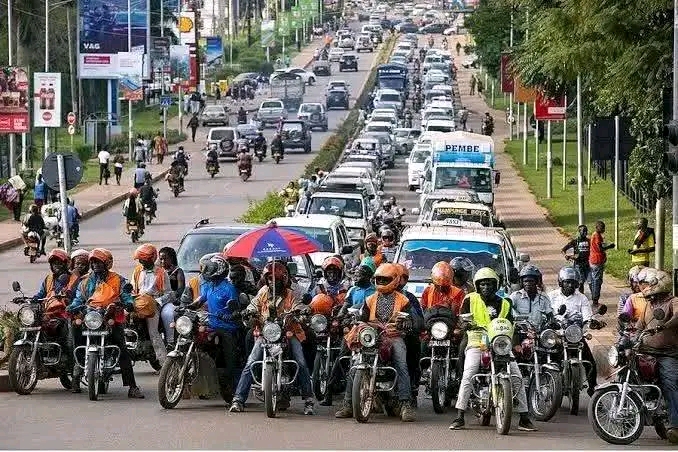
Kampala Traffic Jam Continues To Be Dominated By Bodaboda Riders & Taxis Amidst Coming Events.
13

Acidic Vokoz plans another major concert
14

WordPress Settings Required For Any Good Website Development And Clean User Interface
15

ARSENAL TO SIGN MADUEKE FROM CHELSEA
16

Types of Hacking Methods That Are Popularly Being Used By Hackers.
17

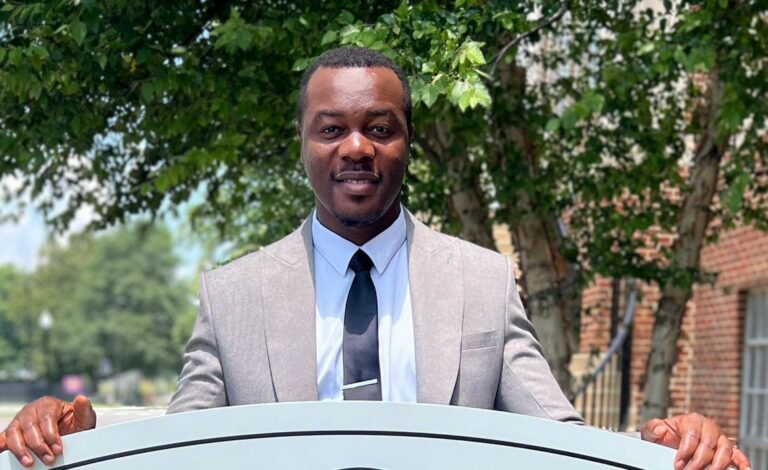
SPORTS: All transfer rumors
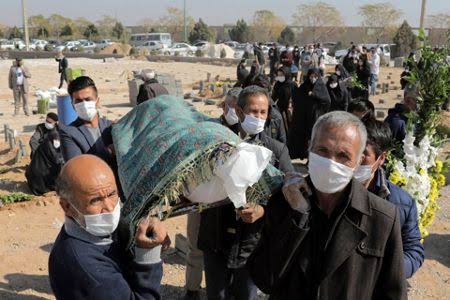
18
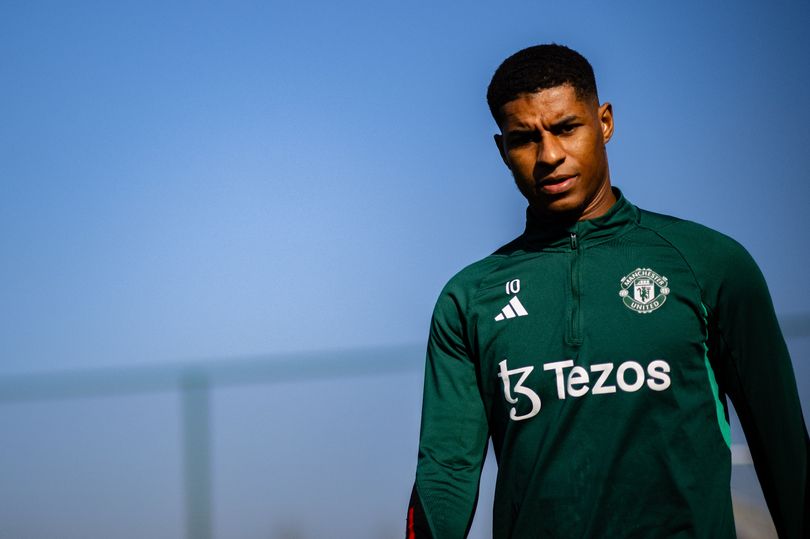
Man United receive key Marcus Rashford transfer exit 'approval' as £44.8m enquiry made
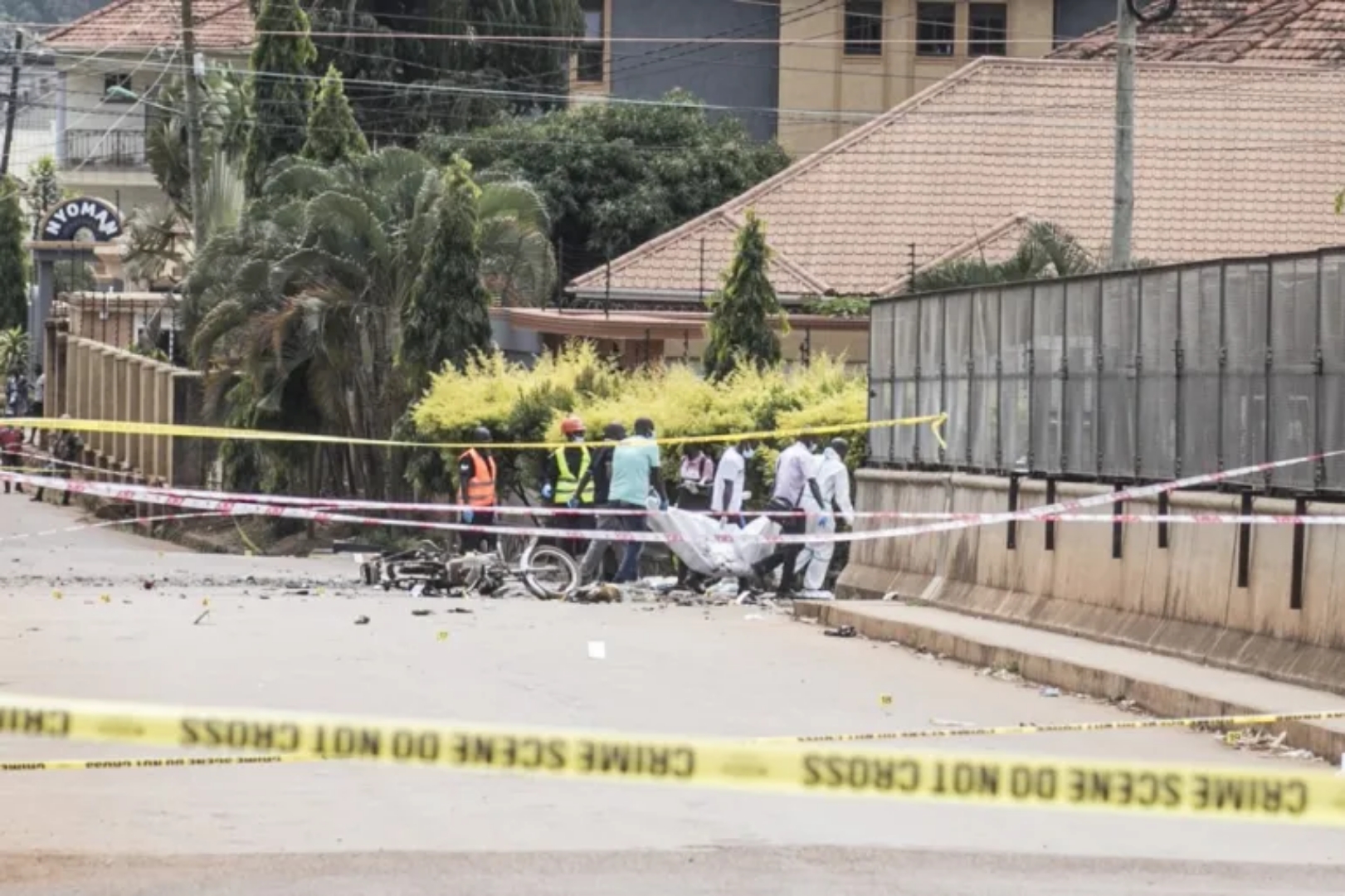
19

The health benefits of eating sugarcane on daily basis
20

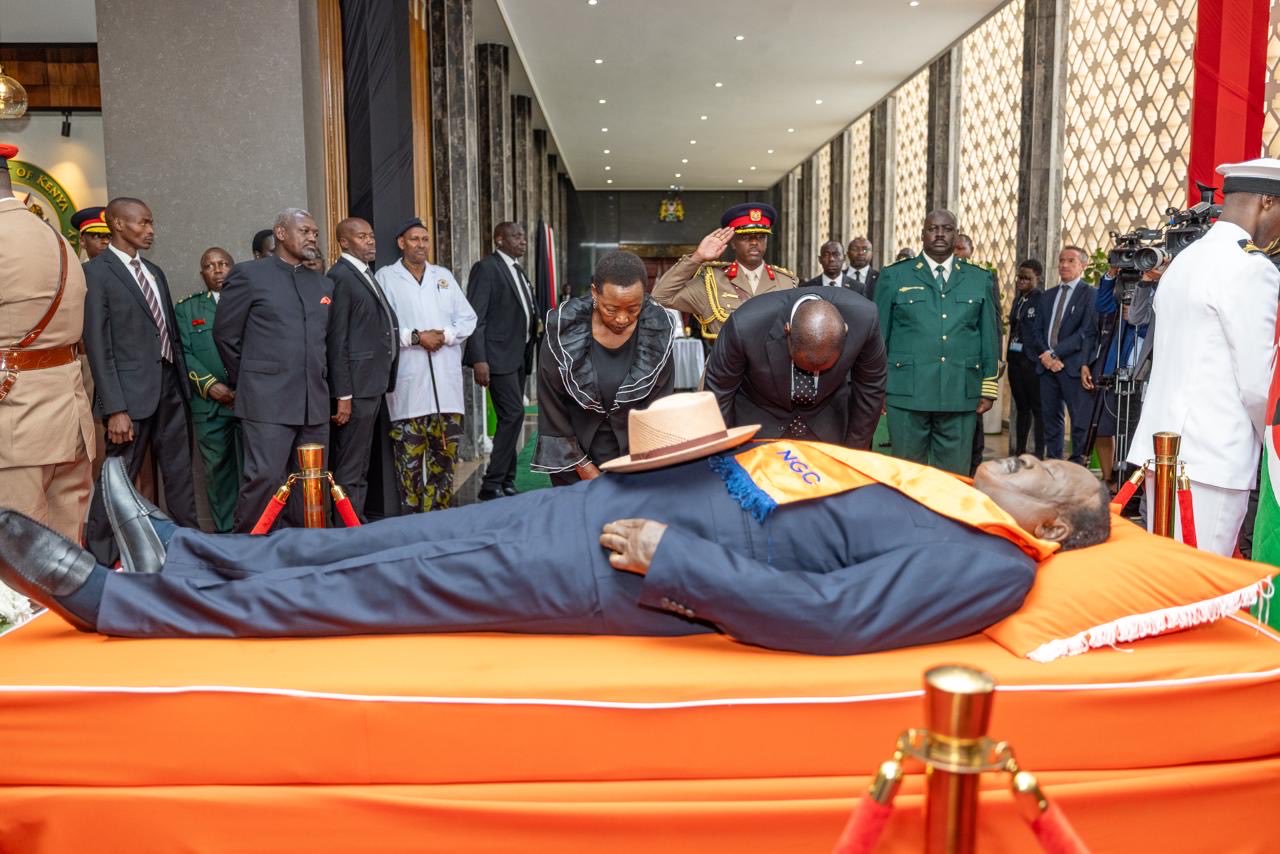
YOU CAN CONTACT SYPHILIS IN YOUR EYES IF YOU ENGAGE IN THESE THREE THINGS.
21

Ugandans spend Shs 55bn a day on TikTok data - Report
22

What Is Agood Webhosting ?
23

Do These Simple Steps To Stop Mustarbation Addiction.
24
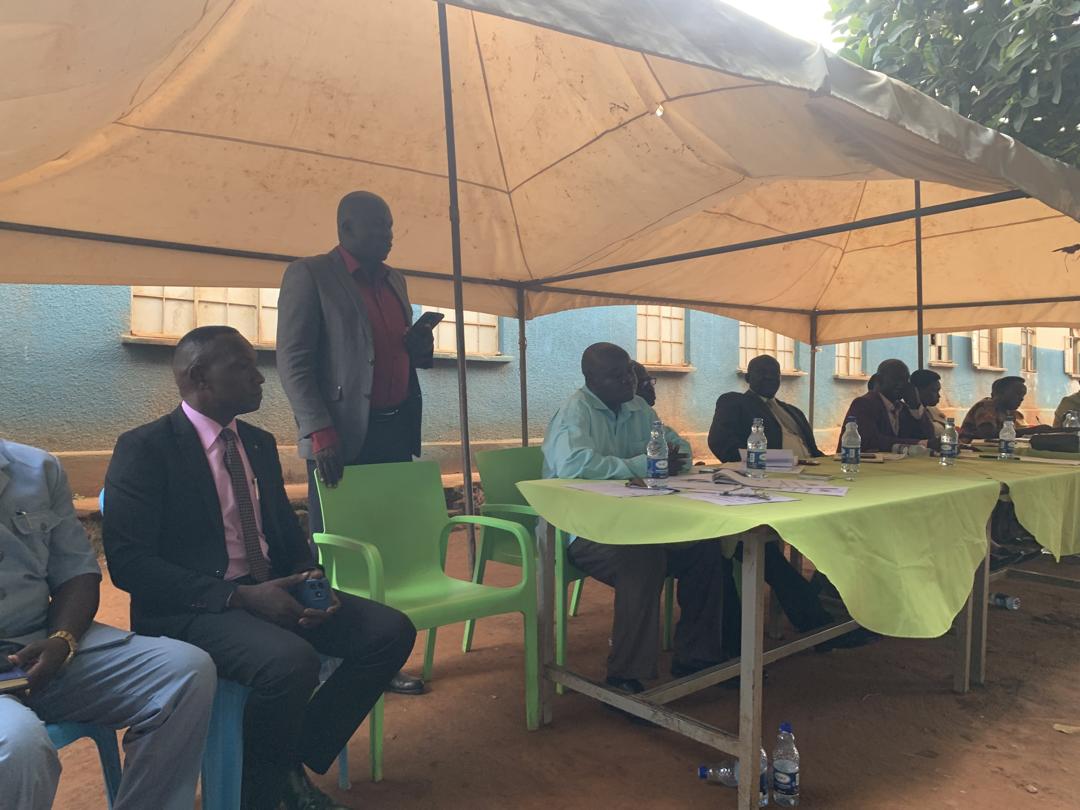
Kalaki Leaders Embark On Benchmarking Tour To Revive Education Standards At Top-Performing VH Public School
25

UPDF has disqualified More than 60000 Applicants In Intitail Phase Screening.
26

Runfarbiz Related Premium Offers Now Includes Investment, Subscription For Voice, Data & Airtime Bundles Options Updated.
27

Crazy Things Awife May Do To Mess Up Her Relationship
28

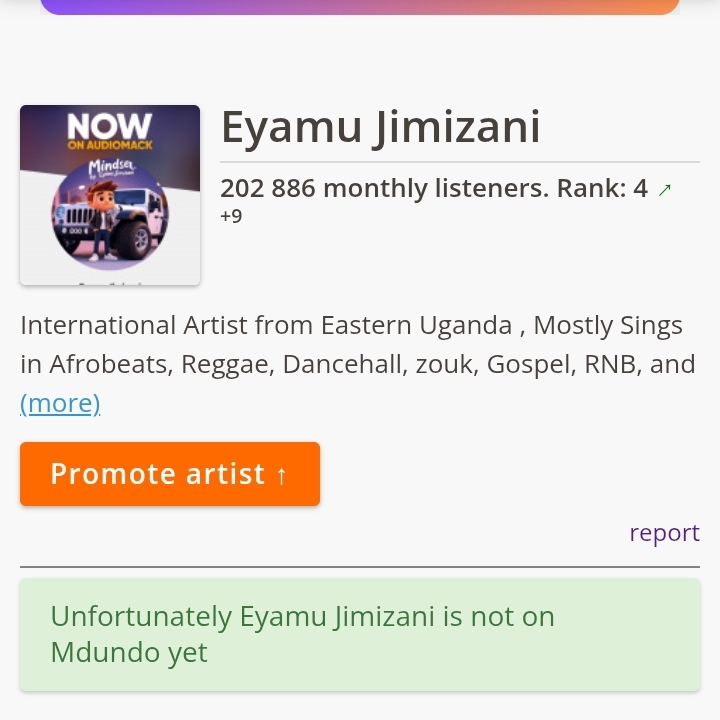
Solomon Kampala, Son of Bobi Wine, Engages Mexican Partner Helen Jaquez in Stunning Lakeside Proposal
29

We are now operating on both Ads revenue Model and Subscription Offers Just like Spotify, TikTok, Deezer, Apple Music , Mdundo, Boomplay, YouTube Music, Facebook Streams , Latest Runfarbiz Network system Upgrade.
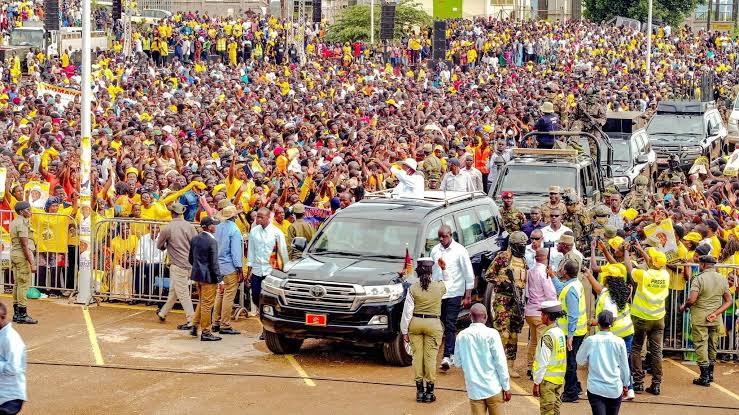
30
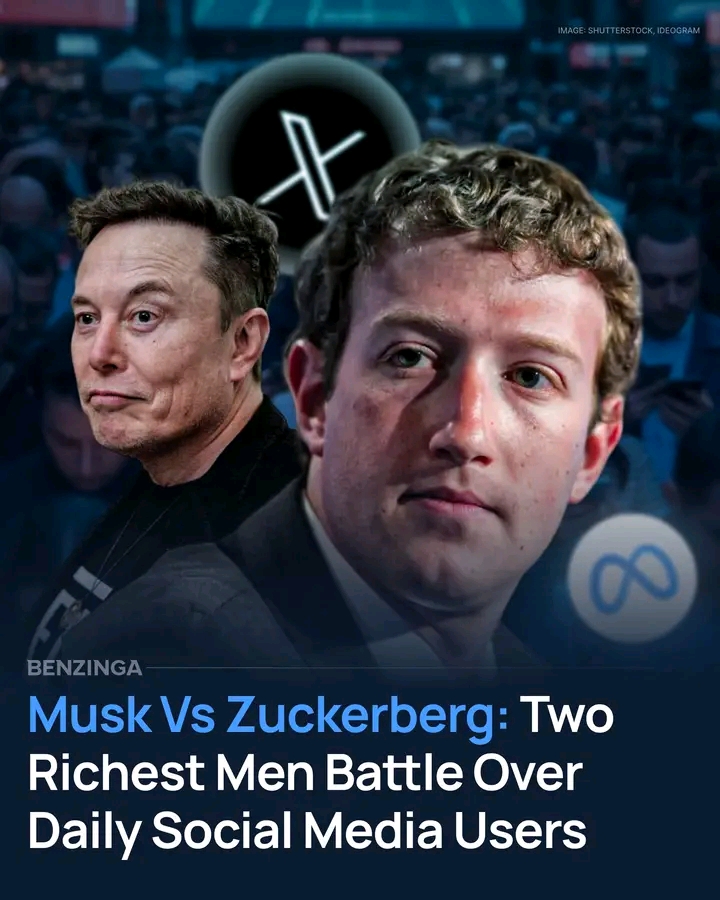
Billionaires Elon Musk and Mark Zuckerberg almost ended up in a cage fight over their competing social media platforms.
31

Fintechs Dominate Africa's Top Startup Valuations in 2025: Flutterwave, OPay, and Wave Lead the Unicorn List.
32

Tulus Biography Details And Music Of The Artist
33

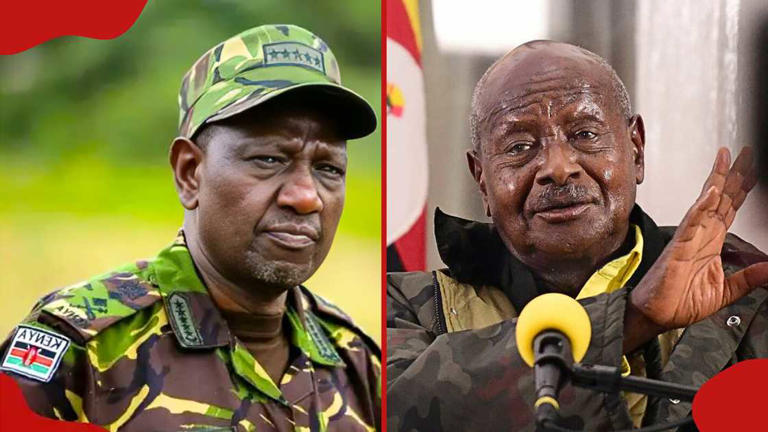
Africa aviation industry, Isaac Balami University of Aeronautics and Management, IBUAM, first aeronautics university Africa.
34
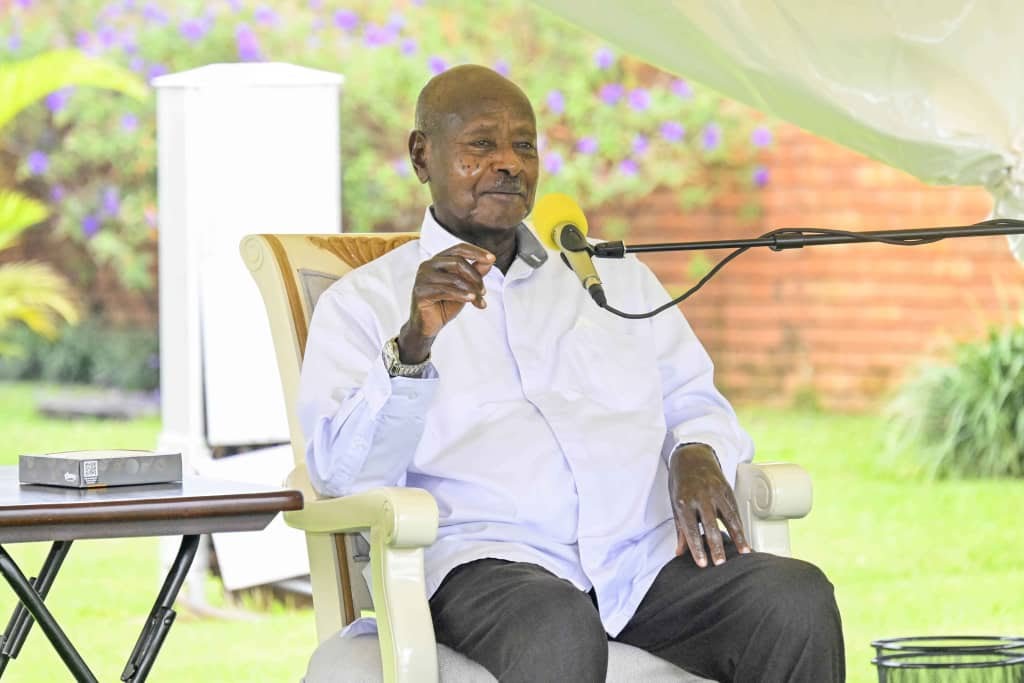
NRM Party Primary Elections Has Failed UpTo Ten Ministers , Report Confirmed by Electoral Commission Uganda.
35

Protect your soul, The world isn’t worth it.
36
Nigerian researcher develops wireless charging tech for electric vehicles.
37
Iran holds state funeral for military leaders killed in Israel conflict.
38

The tech world was left stunned when Perplexity, the $18 billion AI startup led by Indian-origin CEO Aravind Srinivas, made an audacious $34.5 billion cash offer to acquire Google Chrome.
39
Two Suspected Ugandan Rebels Killed in Kampala Explosion.
40

Official Digital Transformation Update From Runfarbiz Network Admin, Try To Read To The Last Paragraph
41

Trump Health 2025 Perfect MRI No Idea What Body Part Was Scanned, Full Story.
42
A comprehensive biography of Raila Odinga, exploring his journey from political detainee to Prime Minister, his five presidential bids, and his complex legacy in shaping modern Kenya.
43

Billionaire Telegram Founder Leaves His $14 Billion Fortune to the 100+ Children He’s Fathered—Which Means $132 Million for Each Lucky Gen Alpha Kid.
44

The landscape of modern warfare is on the brink of a seismic shift, and China is at the forefront of this transformation.
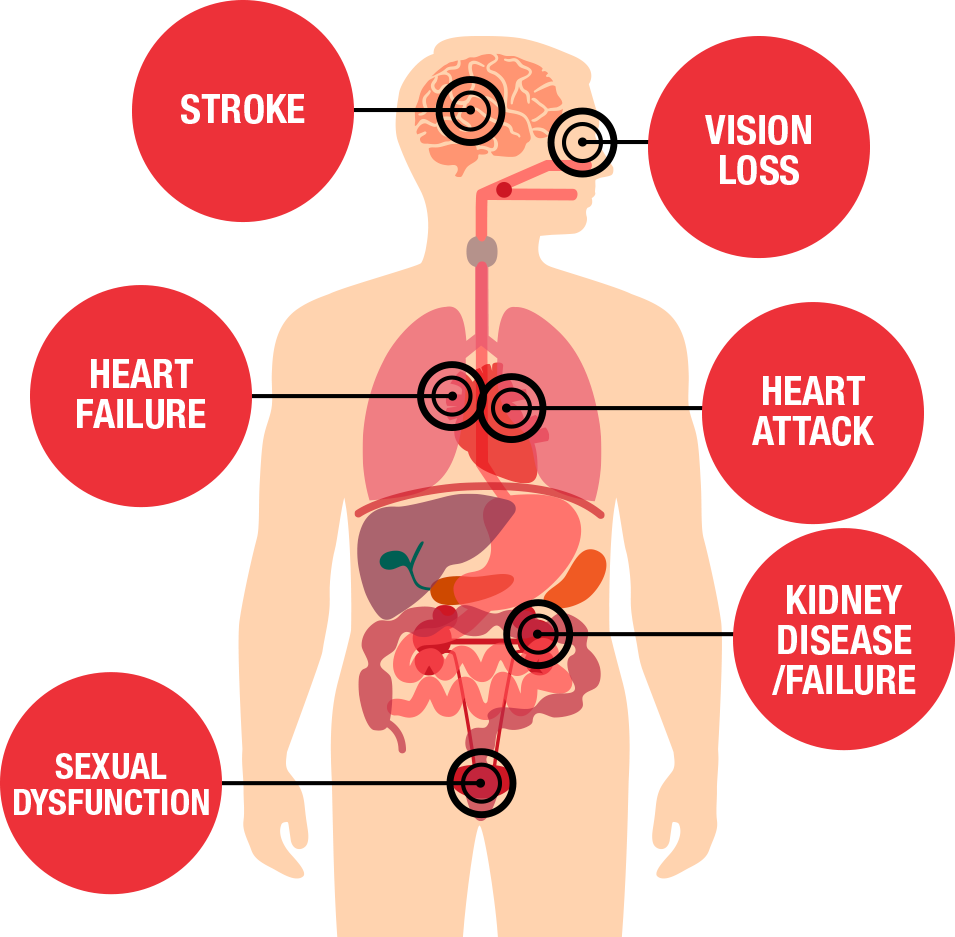
45
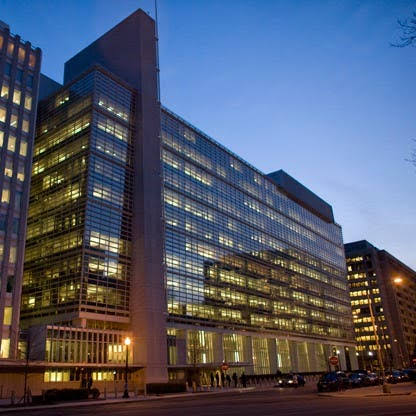
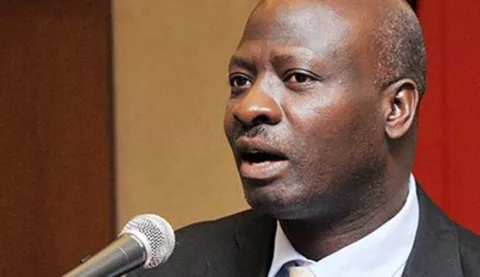
Uganda Secures Over $2 Billion in World Bank Financing to Bolster Development.
46

Assistant referee Peter Kabugo passes away during sports club Villa match against UPDF
47
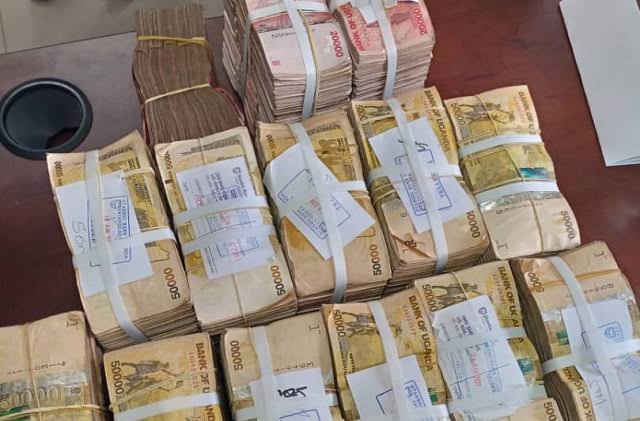
Exposed Tricks How Some Financial Credit Institutions In The Names Of Money Lenders Are Stealing From Poor Ugandans .
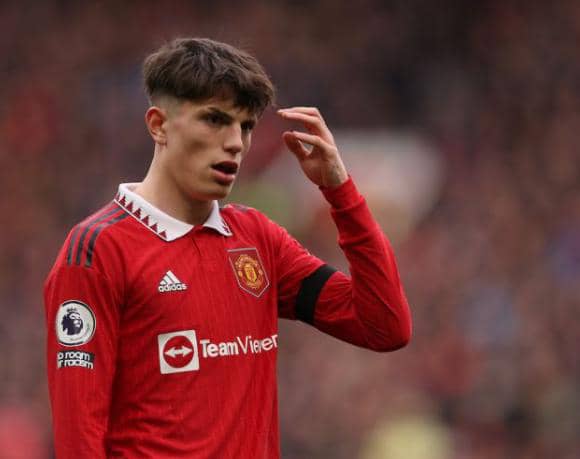
48
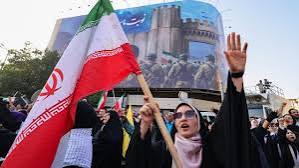
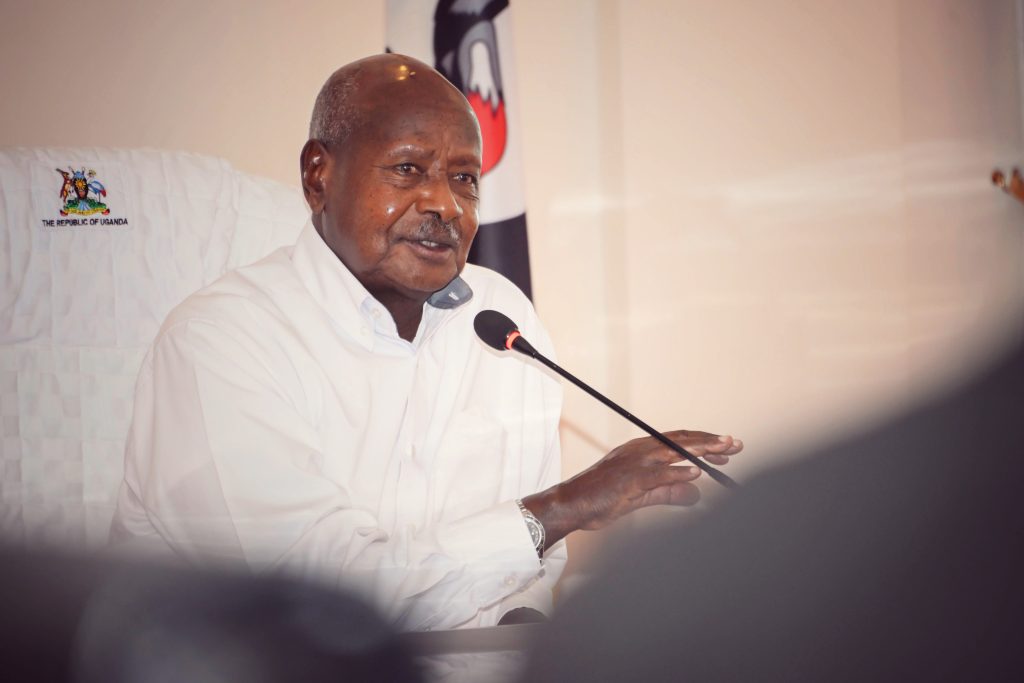
Iran-Israel War: Origins, Casualties, Global Impact, and Future Projections.
49
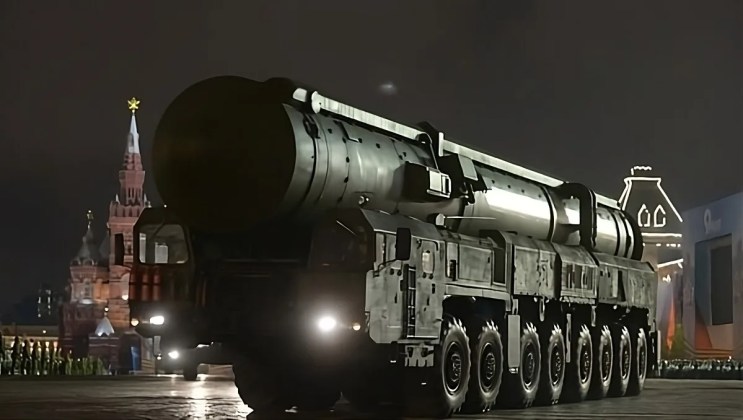
Russia Begins Production of Advanced Oreshnik ICBM: A New Era in Strategic Capabilities.
50
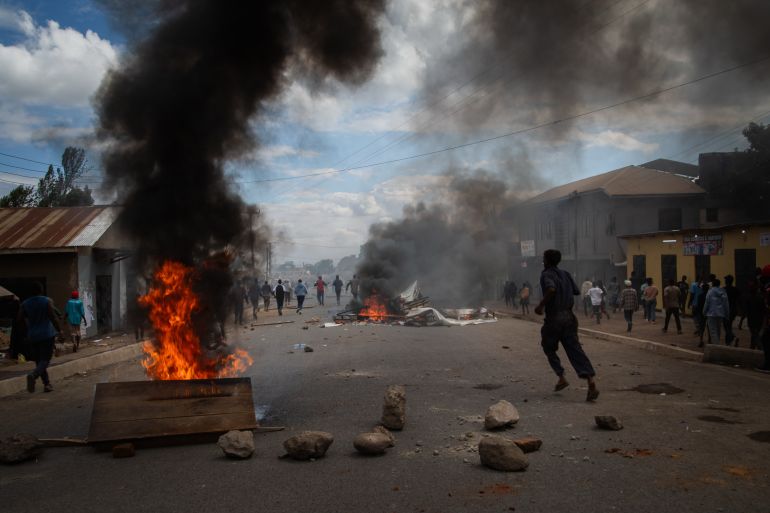
The Opposition Claims Hundreds Of Tanzanian Protesters Around 700 Already Dead.
51
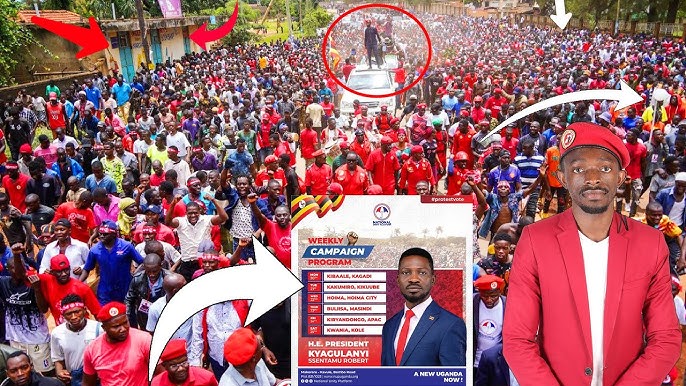
Uganda Police Ban Campaign Processions and Ambulance Misuse as Bobi Wine Launches Kampala Campaigns in Kawempe | 2026 Elections.
52
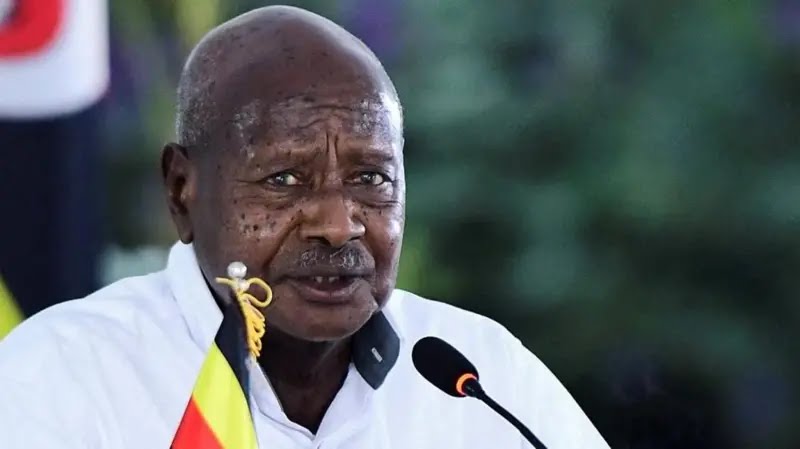
Uganda’s New Law Allowing Military Trials for Civilians.
53

Qatar, UAE, Saudi Arabia, and other Gulf nations have shut down airspace amid rising tensions, causing massive flight cancellations and travel chaos. Latest updates here.
54
Why J Donald Trump Is Still Dominating American Politics
55

UPDF Bids Farewell to Over 600 Retirees in Nationwide Ceremonies.
56

VINKA AND FIK FAMAICA TO LEAD MUBs GALA
57

Runfarbiz Network Improved Streaming Features Includes The Following.
58
Mdundo Temporarily Blocked My Music Page After Hitting 1 million Streams Plus, My 5 million Uganda Shillings Will be losts .
59

Six Dangerous Diseases You Can Catch Through Kissing _What You Need To Know.
60

Daily USSD Codes for MTN UG and Airtel UG that may assist you when having some Emergencies.
61
President Yoweri Museveni has promised to address two critical needs in Obongi District—electricity and better roads
62

Top Most Corrupt Institutions Made To Control Human Race Under The Financial Matrixs They Are Not Telling You.
63
SFC soldier shoots three dead in Agago
64

Singer Daudi Mugema dies in Gulu
65

TotalEnergies Sued in Uganda Over Unpaid Bill for Toxic Fuel Depot Cleanup in Kampala.
66

Antoine Semenyo £65m Release Clause Active in January: Man City, Liverpool & Spurs Monitoring Bournemouth Star.
67
_biography_–_the_rising_star_in_the_music_industry..jpeg)
DAX (Daniel Nwosu) Biography – The Rising Star in the Music Industry.
68
Uganda and Kenya Assure No War Over Indian Ocean Oil Dispute , Museveni Remarks, Mudavadi Response & EAC Diplomacy 2025.
69

REPORT REVEALS ALARMING HUMAN RIGHT ABUSES IN KARAMOJA MINING SECTOR.
70
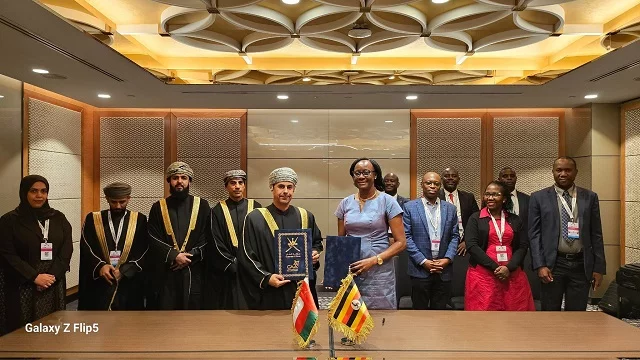
UGANDA SIGNS BILATERAL AIR SERVICE AGREEMENT WITH OMAN.
71

The Secret Life of Squirrels: A Tale of Love, Loyalty, and Forests in the Making.
72

U.S. President Donald Trump recently expressed admiration for Pakistan.
73
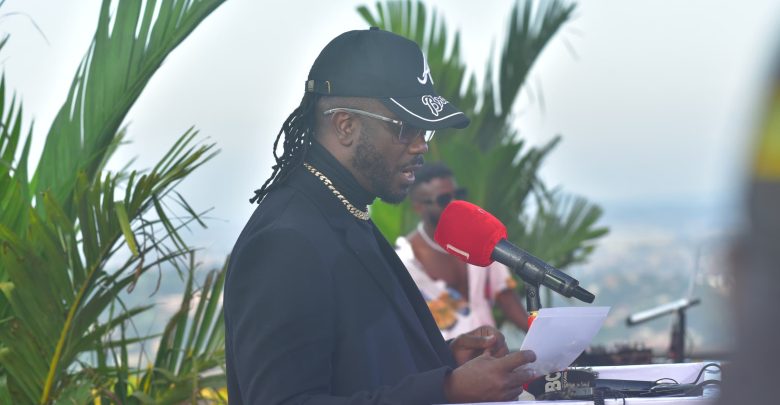
Bebe Cool Announces Release of New Single, ‘Circumference’
74

See why your always having sex on dreams, Secrets Exposed.
75
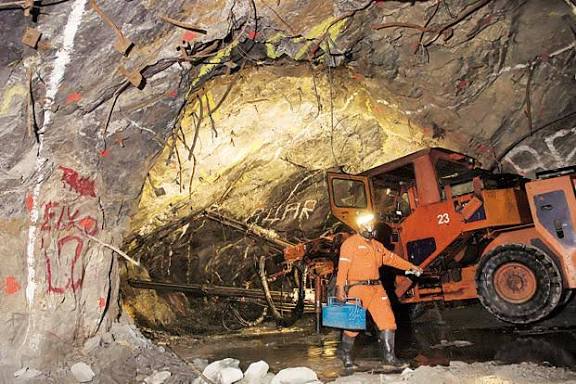
British firm discovers gold worth over $5B in western Kenya.
76

Uganda and Kenya Harmonise SGR Standards: Land Acquisition Accelerates for Malaba-Kampala Railway Project.
77

Arsenal Eye Move for Liverpool Wonderkid Joshua Abe | 15-Year-Old Right-Back Transfer News.
78

Auditor-General Demands Shs2 Trillion Forensic Tax Audit on Uganda Telecom Companies Over Revenue Discrepancies.
79
Bunyoro Kingdom Rejects UCDA Rationalization, Calls for Increased Funding
80

Microsoft has unveiled their new Copilot AI model
81

GOVERNMENT OF UGANDA TO RECRUIT OVER 2800 TEACHERS AHEAD OF NEW TERM.
82

UPC's Jimmy Akena Vows No Space for NRM in 2026 Elections: Uganda People's Congress Resurgence Ahead of General Polls.
83
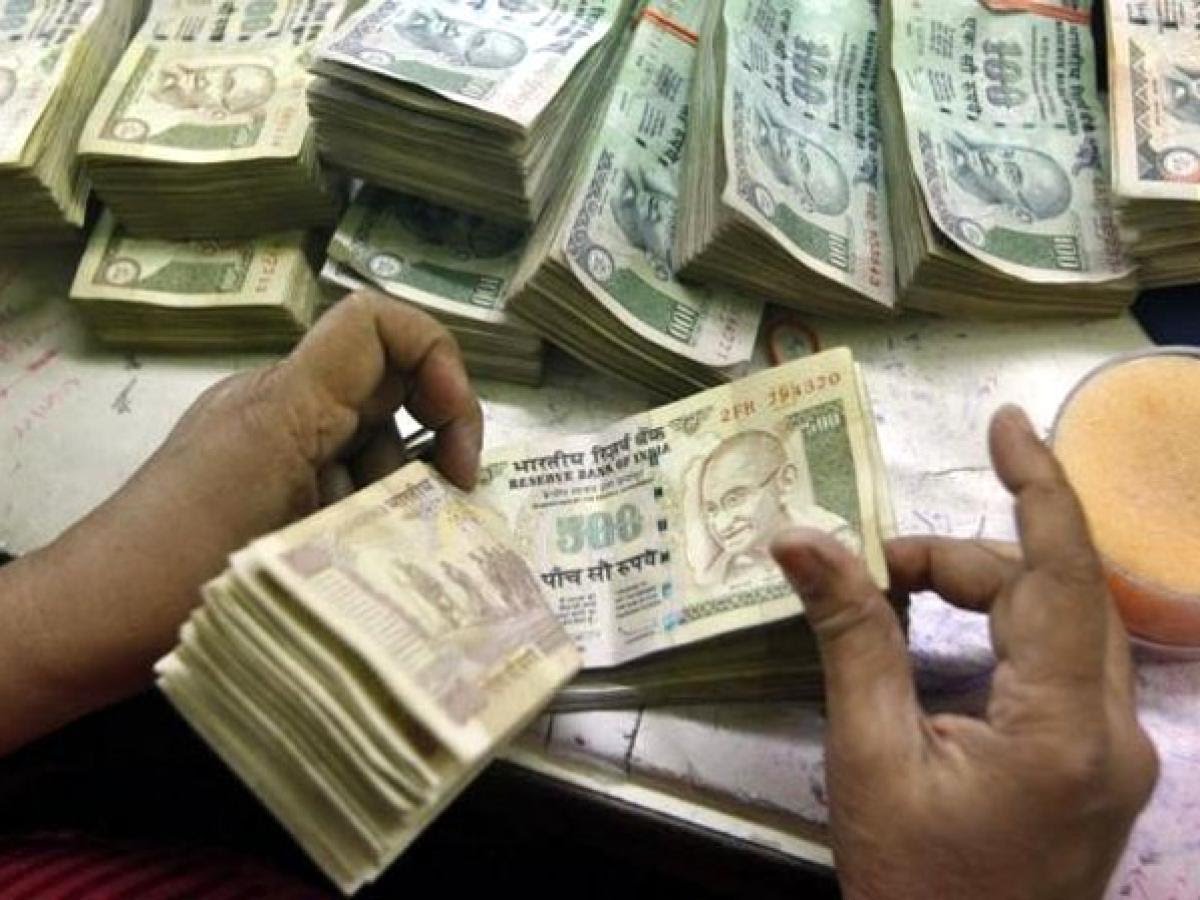
Pakistan Tightens Cash Dollar Sales in Bid to Curb Outflow and Support Rupee.
84

Why Bobiwine Has Been Failing The Political Presidential Elections In Uganda.
85

Kylian Mbappé Breaks Messi Record: Youngest to 400 Career Goals Since Pelé at Age 26.
86
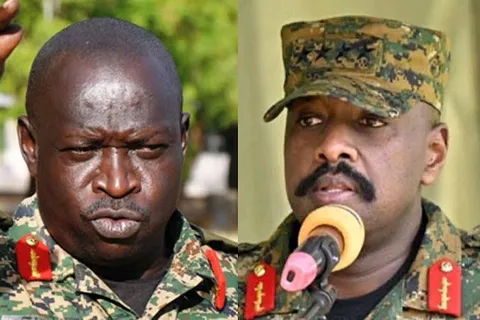
CDF Kainerugaba On Behalf Of UPDF Is Planning To Reshuffle Their Generals Like GEN Elwelu.
87
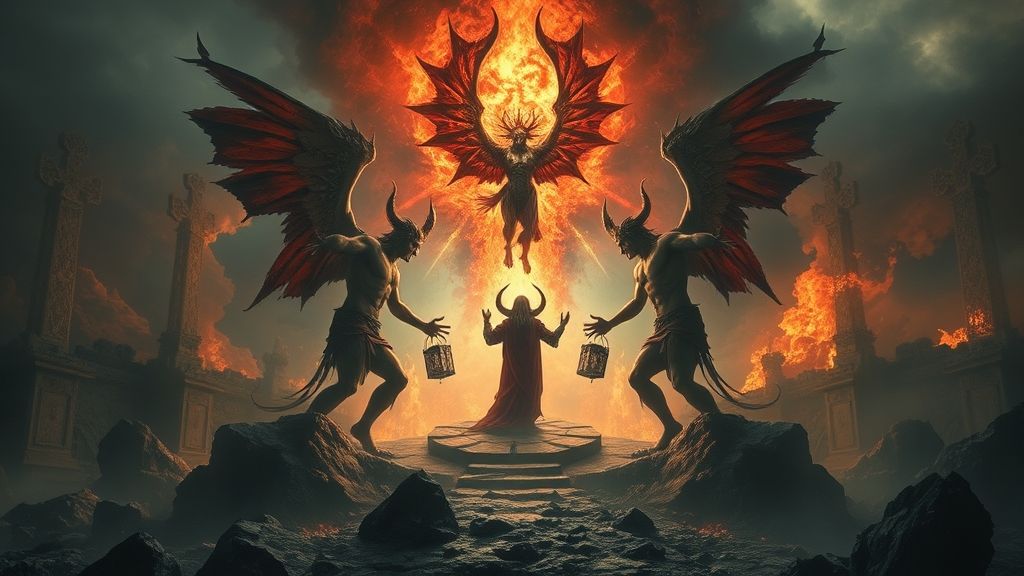
Stop praying like this, You will summon demonic forces from abyss without knowing
88
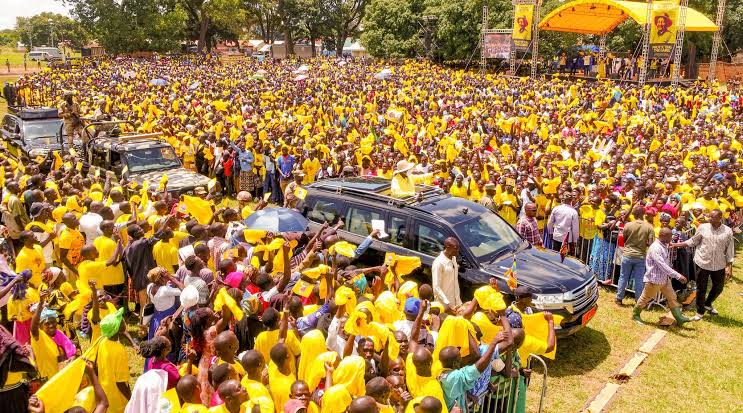
H.E Yoweri Kaguta Museveni Is The Most Concerned Ugandan Patriot.
89

Boywisky music official ft Bill Ranka Uganda have already released a new song titled "Yom Cwinya"
90

25 Motivational Tips & Quotes that shall Inspire You.
91
Causes and prevention of high blood pressure
92
SEE NAMES OF UGANDANS SHORTLISTED FOR GOVERNMENT PAYROLL JOBS AS HEAD TEACHERS, DEPUTIES IN KCCA SCHOOLS.
93

UPDF SALUTS SEVEN GENERALS , AWAITING THEIR OFFICIAL RETIREMENT
94

In tit-for-tat, Zambia suspends Kenya Airways flights over country’s denial of access to Zambia Airways
95

HOW UGANDAN'S ENERGY SECTOR WILL PERFORM IN 2026.HOW UGANDAN'S ENERGY SECTOR WILL PERFORM IN 2026.
96

Cloudflare Outage November 18 2025: Why the Internet Broke and How Cloudflare Actually Works Behind the Scenes.
97
MANCHESTER UNITED HAVE REJECTED A £40MILLION OFFER FROM ITALIAN SIDE NAPOLI FOR ALEJANDRO GARNACHO.
98
Museveni Urges Ugandans to Embrace Swahili for Commerce, Pledges 100 Million to Swahili Sacco
99

How to stay the happy life without money in your pocket
100
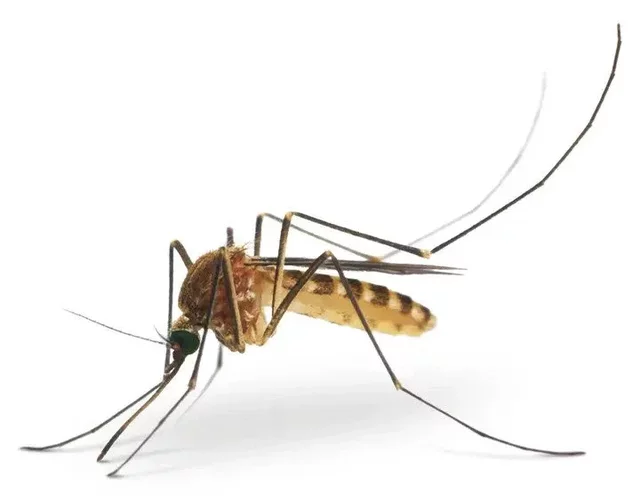
4 THINGS MOSQUITOS DON'T LIKE, WHICH WILL MAKE THEM RUN FROM BITTING YOU.
RECENT CONTENTS
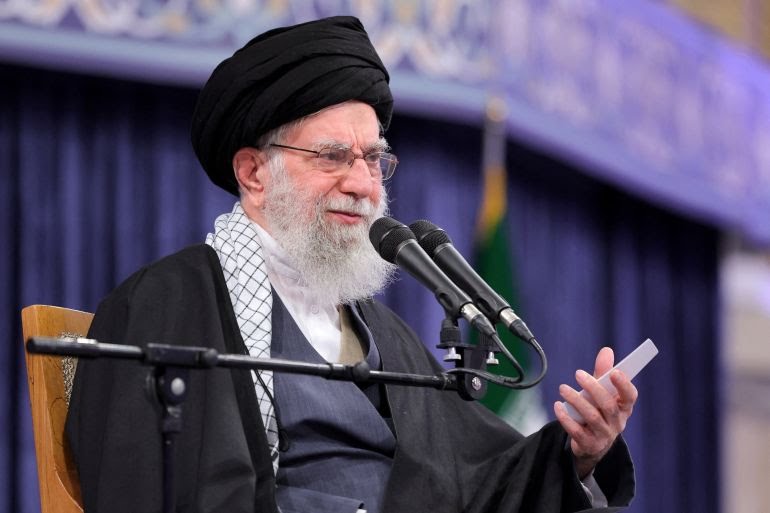
Irans Supreme Leader Confirmed Killed By Israels Joint Attack With America
On February 28 and into March 1, 2026, Israel and the United States launched a coordinated joint military operation against Iran, marking a significant escalation in long-running tensions over Tehran’s nuclear and missile programs. The offensive involved extensive airstrikes by Israeli forces and participation by U.S. military assets targeting Iranian military infrastructure, command centers, missile sites, air defenses, and political leadership compounds. Several senior Iranian officials and commanders were reported...
Read More

WestLife - Biography And Their Music Journey.
Westlife, the Irish pop group, came together in Dublin in July 1998 when Shane Filan, Kian Egan, and Mark Feehily, who had been schoolmates from Sligo, joined forces with Nicky Byrne and Brian McFadden following auditions to complete the original five-member lineup. by Louis Walsh and initially supported by Ronan Keating, they quickly signed a >
Managedajor record deal and burst onto the scene in 1999 with their debut single...
Read More

Niki Biography And Music – Indonesian Singer-Songwriter, Global Pop R&B Artist, Career and Music Journey
Nicole Zefanya, known professionally as Niki, is an Indonesian singer-songwriter born on January 24, 1999, in Jakarta, Indonesia. She is recognized for her alternative pop and R&B sound and is signed to the record label 88rising. Over the years, she has gained global recognition for her songwriting and musicianship, building an international audience while living and working in the United States.
Niki began developing her musical skills at a young age...
Read More

Afgan Music And Biography Of The Artist – Indonesian Singer, R&B Artist, Albums, Career Journey, and Music Evolution.
Afgansyah Reza, known professionally as Afgan, is an Indonesian singer and actor born on May 27, 1989, in Jakarta, Indonesia. He is widely recognized for his smooth pop and R&B style and has become one of Indonesia’s most prominent contemporary male vocalists.
He grew up in a musical Muslim family of Minangkabau heritage and is the second of four children.
Interestingly, despite later becoming famous for his voice, he never underwent...
Read More
Tulus Biography Details And Music Of The Artist
Tulus, whose full name is Muhammad Tulus, is an Indonesian singer and songwriter known for his warm baritone voice, emotional storytelling, and refined pop-jazz musical style. He was born on 20 August 1987 in Bukittinggi, West Sumatra, Indonesia, and grew up in a Minangkabau family.
From an early age, he showed interest in music, although it was not immediately his main career path. During his university years, he studied architecture...
Read More
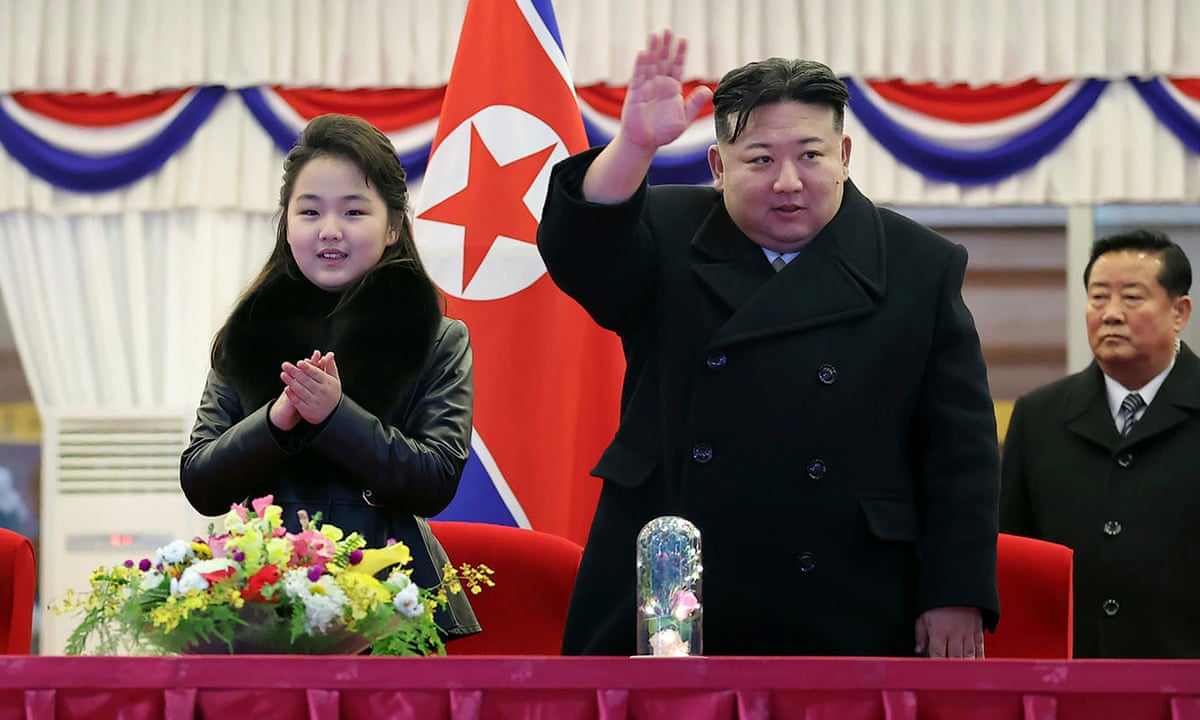
Who is Kim Ju Ae? Inside Kim Jong Uns Decision to Designate His Teen Daughter as Successor
Kim Jong Un chooses teen daughter as heir, says Seoul
Jake Kwon Seoul correspondent
North Korean leader Kim Jong Un has selected his daughter as his heir, South Korea's spy agency told lawmakers on Thursday.
Kim Ju Ae - who is believed to be 13 - has in recent months been pictured beside her father in high-profile events like a visit to Beijing in September, her first known trip abroad.
The National Intelligence Service...
Read More