
By Eyamu Jimizani
Aliko Dangote Became The Richest Black Man In The World — And Now He Plans To Invest $1B In Industrial Projects In Zimbabwe.

In the high-stakes world of international finance and development, capital is not just currency; it is a statement. It is a tangible measure of confidence, a predictor of stability, and a catalyst for transformation. When that capital arrives in the form of a planned $1 billion investment from Africa’s wealthiest individual, Aliko Dangote, into a nation with a complex economic history like Zimbabwe, the statement is deafening. This is not merely a business transaction; it is a profound geopolitical and economic signal that merits deep analysis.
The recent announcement following a meeting between Dangote and Zimbabwean President Emmerson Mnangagwa in Harare represents a potential watershed moment for Southern Africa. The Dangote Group’s commitment to developing large-scale projects in cement production, power generation, and fuel infrastructure is arguably the most significant private-sector investment in Zimbabwe in over two decades. This analysis will delve into the multifaceted dimensions of this deal, exploring its historical context, the strategic rationale behind each sector of investment, the implications for Zimbabwe’s economic future, and the broader message it sends to the global investment community.
To understand the gravity of this investment, one must first understand the investor. Aliko Dangote is not a speculative venture capitalist; he is an industrial strategist of the highest order. His empire, the Dangote Group, was built on a foundational philosophy of identifying fundamental human and industrial needs and then constructing vertically integrated monopolies or dominant market positions to serve them. Dangote’s journey began with a trading business, importing commodities like cement, flour, and sugar. His pivotal insight was recognizing that true, lasting wealth and economic sovereignty for Africa would not come from perpetual importation, but from domestic production. This led to a strategic shift from trading to manufacturing.
Dangote Cement Plc is the crown jewel of his empire and the primary vehicle for his pan-African expansion. By building cement plants across the continent, he has not only capitalized on the booming construction markets but has also addressed a critical infrastructure deficit. Cement is the literal building block of modern economies, and controlling its supply grants immense economic and political influence.grants immense economic and political influence. The ongoing construction of the Dangote Petroleum Refinery in Nigeria—the largest single-train refinery in the world—epitomizes his ambition. This project aims to pivot Nigeria from a crude oil exporter to a refined petroleum products hub for West Africa, saving billions in foreign exchange and creating a new industrial ecosystem.
Dangote’s investment strategy is characterized by patience, immense scale, and a deep understanding of the long-term macroeconomic trends shaping Africa. He does not make impulsive bets. Therefore, his decision to commit $1 billion to Zimbabwe is a meticulously calculated move, rooted in a conviction that the country’s risk-reward profile has fundamentally shifted. Zimbabwe’s economic narrative over the past 25 years is a cautionary tale of potential unfulfilled. Once hailed as the "breadbasket of Africa" with a robust industrial and agricultural base, the country descended into a period of hyperinflation, international isolation, and economic contraction under the long reign of President Robert Mugabe. The controversial land reform program that began in 2000 triggered a chain of events: the collapse of commercial agriculture, a flight of foreign capital, and the imposition of targeted sanctions from Western nations. This period was marked by a crippling shortage of foreign currency, decaying infrastructure, and a political environment perceived as hostile to foreign investment. It was within this context that Dangote’s initial $400 million cement plant proposal in 2015 stalled, a victim of an untenable economic climate. The ascension of Emmerson Mnangagwa to the presidency in 2017 heralded a deliberate, if challenging, policy shift. The new administration’s central slogan, "Zimbabwe is Open for Business," was designed to rebrand the country and woo back international investors. Key reforms have included scrapping the law that required majority local ownership of all businesses, thereby opening sectors to 100% foreign ownership; efforts to re-engage with the IMF and World Bank to clear arrears and access new lines of credit; and the introduction of a new currency, the Zimbabwe Gold (ZiG), in 2024, in a bid to tame inflation and restore monetary stability. While the success of these reforms is still a subject of intense debate and the economic situation remains difficult, the Dangote investment suggests that a corner may be turning. As Dangote himself stated, “Mnangagwa has turned the economy around. That really gave us the confidence that this is the right time for us to come and invest.” This endorsement is arguably more valuable than any government press release. The Dangote Group’s planned investment is not a single project but a synergistic trio of industrial undertakings, each targeting a critical bottleneck in Zimbabwe’s economy. The resurrection of the cement plant proposal is the most straightforward element of the plan, yet its implications are profound. Zimbabwe, like much of Africa, has a significant housing and infrastructure deficit. Demand for cement is intrinsically linked to population growth, urbanization, and public works projects. A new, large-scale cement plant would not only meet domestic demand but could also position Zimbabwe as a regional export hub for neighboring landlocked countries like Zambia, Botswana, and Malawi. The entry of a player of Dangote’s scale introduces fierce competition into the market, which historically has been dominated by a few players. This typically leads to more competitive pricing, improved product quality, and better service, ultimately reducing the cost of construction for everyone from the government to individual homeowners. The construction and operation of a cement plant create thousands of direct and indirect jobs, from quarrying and manufacturing to logistics and distribution. It also stimulates a host of ancillary industries, including packaging, maintenance, and engineering services.
of intense debate and the economic situation remains difficult, the Dangote investment suggests that a corner may be turning. As Dangote himself stated, “Mnangagwa has turned the economy around. That really gave us the confidence that this is the right time for us to come and invest.” This endorsement is arguably more valuable than any government press release. The Dangote Group’s planned investment is not a single project but a synergistic trio of industrial undertakings, each targeting a critical bottleneck in Zimbabwe’s economy. The resurrection of the cement plant proposal is the most straightforward element of the plan, yet its implications are profound. Zimbabwe, like much of Africa, has a significant housing and infrastructure deficit. Demand for cement is intrinsically linked to population growth, urbanization, and public works projects. A new, large-scale cement plant would not only meet domestic demand but could also position Zimbabwe as a regional export hub for neighboring landlocked countries like Zambia, Botswana, and Malawi. The entry of a player of Dangote’s scale introduces fierce competition into the market, which historically has been dominated by a few players. This typically leads to more competitive pricing, improved product quality, and better service, ultimately reducing the cost of construction for everyone from the government to individual homeowners. The construction and operation of a cement plant create thousands of direct and indirect jobs, from quarrying and manufacturing to logistics and distribution. It also stimulates a host of ancillary industries, including packaging, maintenance, and engineering services.
Perhaps the most critical component of the investment is in power generation. Zimbabwe has long suffered from an acute energy crisis, with rolling blackouts (load-shedding) crippling industrial output, mining operations, and daily life. No modern economy can function without a stable and affordable power supply. The mining sector, a key foreign currency earner for Zimbabwe, is particularly energy-intensive. Unreliable power forces companies to rely on expensive and polluting diesel generators, eroding profitability and global competitiveness. Dangote’s investment in power is strategic on two fronts. First, it ensures a reliable and cost-effective energy supply for his own cement plant and other operations, insulating them from the national grid's instability.own cement plant and other operations, insulating them from the national grid's instability. Second, by feeding excess power into the national grid, the Dangote Group can become a significant independent power producer (IPP), generating a steady revenue stream while performing an essential national service. This move mirrors his strategy in Nigeria, where his operations are largely self-sufficient in power. The third pillar of the investment—a fuel pipeline—addresses another critical logistics and cost challenge. Zimbabwe currently relies heavily on road tankers to transport fuel from its ports of entry, primarily Beira in Mozambique. This method is expensive, logistically complex, susceptible to theft and accidents, and contributes to road degradation. A dedicated pipeline would be a game-changer. It would drastically lower the cost of transporting fuel, which should translate to lower prices at the pump for consumers and businesses; provide a more reliable and consistent flow of fuel, mitigating the frequent shortages that have plagued the country; allow for the transportation of larger volumes of fuel more quickly and safely than by road; and serve as a key piece of economic infrastructure that enhances a country's energy security and operational resilience. The synergy between these three projects is masterful. The cement plant requires reliable power and fuel for its machinery and logistics; the power plant may require fuel; and the efficient transport of fuel supports the entire economic ecosystem. This integrated approach demonstrates a level of industrial planning that goes far beyond simple asset acquisition. The impact of a $1 billion investment of this nature extends far beyond the direct outputs of the Dangote Group’s factories. It has the potential to catalyze a virtuous cycle of economic activity. The most immediate impact is psychological. Dangote’s move serves as a powerful signal to other international investors—from mining conglomerates to manufacturing firms—that Zimbabwe is being re-evaluated as a viable investment destination. If Africa’s most astute businessman is betting big, others may feel emboldened to follow, potentially unlocking billions more in foreign direct investment (FDI). Dangote’s projects will require a skilled workforce. This necessitates extensive training programs for local engineers, technicians, and managers.necessitates extensive training programs for local engineers, technicians, and managers. The skills acquired are transferable, raising the overall human capital base of the country and creating a more employable workforce for other industries. The investments will generate significant tax revenue for the Zimbabwean government through corporate taxes, payroll taxes, and customs duties. This additional revenue can be channeled into critical social services like healthcare and education, further stabilizing the society. By potentially turning Zimbabwe into an export hub for cement and power, this investment strengthens its economic ties within the Southern African Development Community (SADC) region, fostering greater regional integration and trade.


Trending Now - TOP 100
1

Why Africa’s Mineral-Rich Countries Stay Poor: The Hidden Truth Behind Cobalt, Gold, and the Resource Curse, and Profit Shifting.
2

Crystal Palace stunned Liverpool to win the Community Shield
3
More than 50k Russian troops have deserted war from Ukraine
4
Michelle Obama Says America “Ain’t Ready” for a Woman President: Candid Remarks on Kamala Harris Loss and Gender Bias in 2025.
5

MIT Study Reveals AI's Fatal Flaw: Why ChatGPT Still Can't Understand 'No.
6

Why Your Phone Screen Is Shaking: Causes, Fixes, and Prevention Tips
7

Introducing Runfarbiz Network TV Global News software 2026
8

Jeff Bezos Reclaims No. 3 Richest Title From Sergey Brin After Amazon Store Closures
9

Best Music Affiliate Program This 2026 For Musicians.
10
Germany's Air Power Pivot: Inside the 20 New Eurofighter Typhoon Order
11

Elon Musks SpaceX to invest in xAI From $2 billion funding to $113 billion valuation.
12

Niki Biography And Music – Indonesian Singer-Songwriter, Global Pop R&B Artist, Career and Music Journey
13
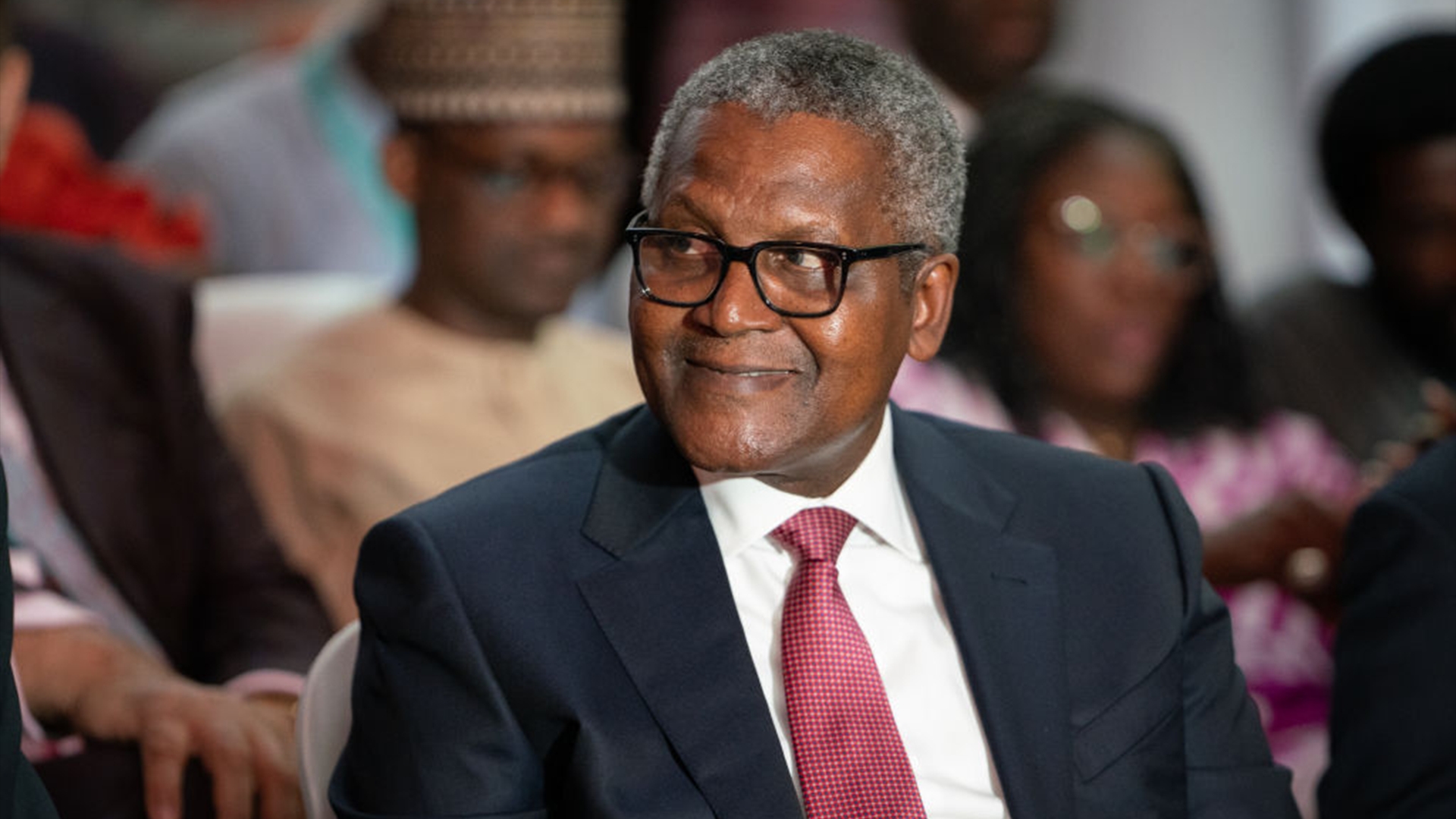
Aliko Dangote Became The Richest Black Man In The World — And Now He Plans To Invest $1B In Industrial Projects In Zimbabwe.
14
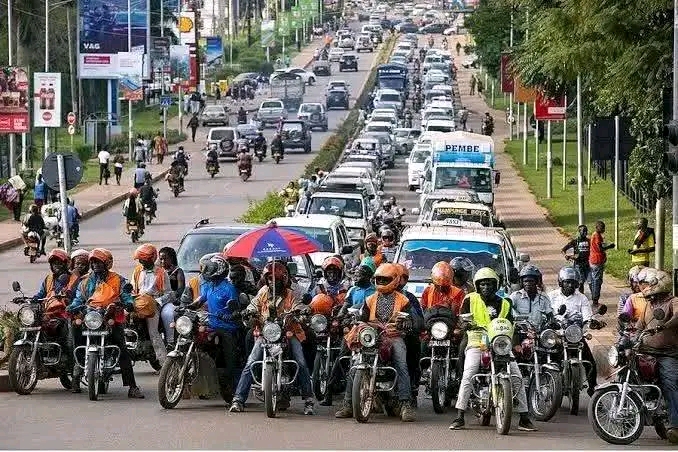
Kampala Traffic Jam Continues To Be Dominated By Bodaboda Riders & Taxis Amidst Coming Events.
15

Acidic Vokoz plans another major concert
16

ARSENAL TO SIGN MADUEKE FROM CHELSEA
17

WordPress Settings Required For Any Good Website Development And Clean User Interface
18

Types of Hacking Methods That Are Popularly Being Used By Hackers.
19
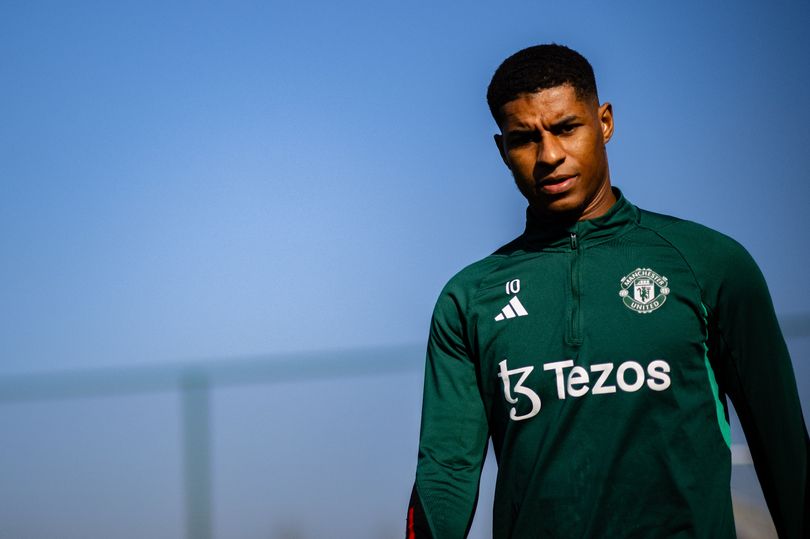
Man United receive key Marcus Rashford transfer exit 'approval' as £44.8m enquiry made
20

SPORTS: All transfer rumors
21
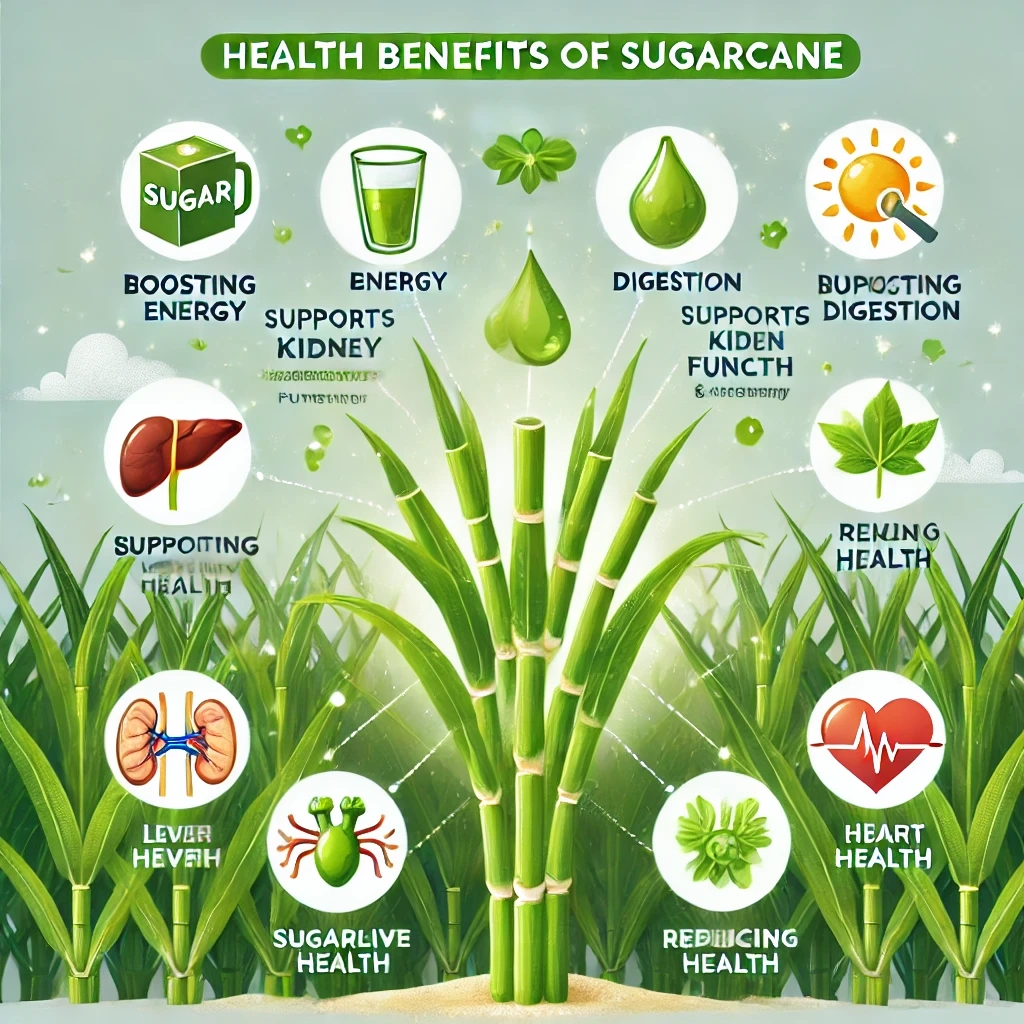
The health benefits of eating sugarcane on daily basis
22

YOU CAN CONTACT SYPHILIS IN YOUR EYES IF YOU ENGAGE IN THESE THREE THINGS.
23
Ugandans spend Shs 55bn a day on TikTok data - Report
24

What Is Agood Webhosting ?
25

Do These Simple Steps To Stop Mustarbation Addiction.
26
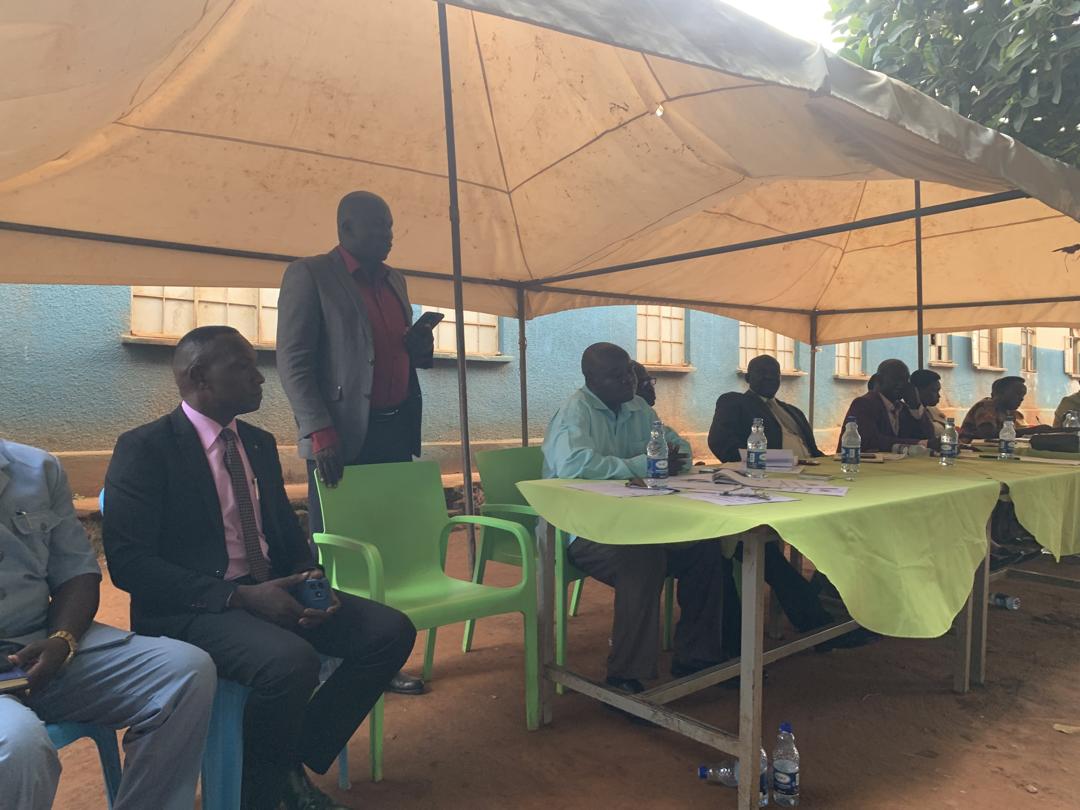
Kalaki Leaders Embark On Benchmarking Tour To Revive Education Standards At Top-Performing VH Public School
27
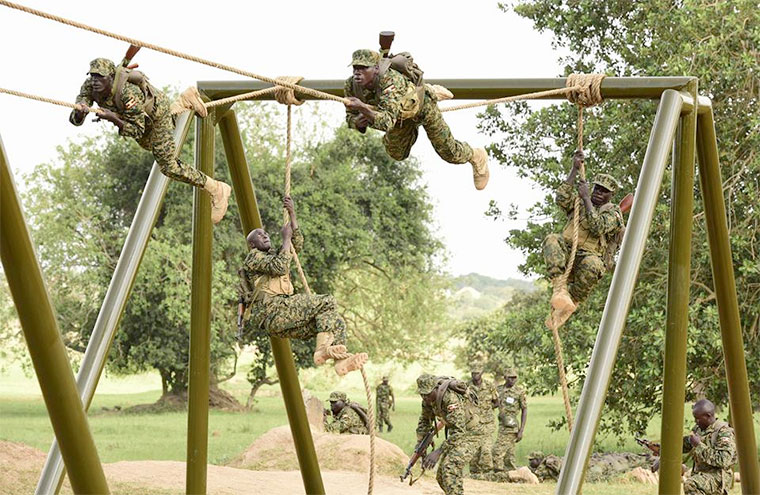
UPDF has disqualified More than 60000 Applicants In Intitail Phase Screening.
28
Tulus Biography Details And Music Of The Artist
29
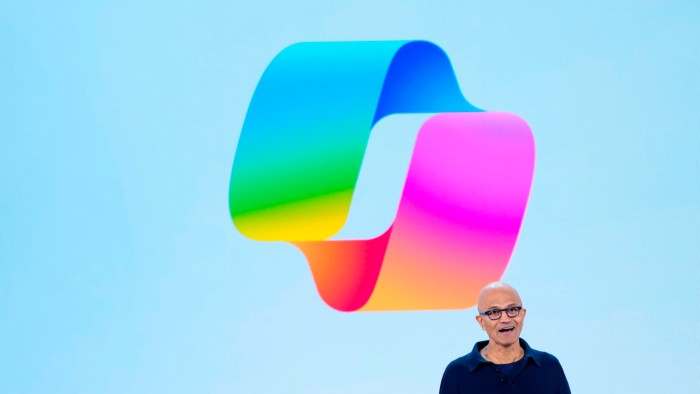
Fintechs Dominate Africa's Top Startup Valuations in 2025: Flutterwave, OPay, and Wave Lead the Unicorn List.
30

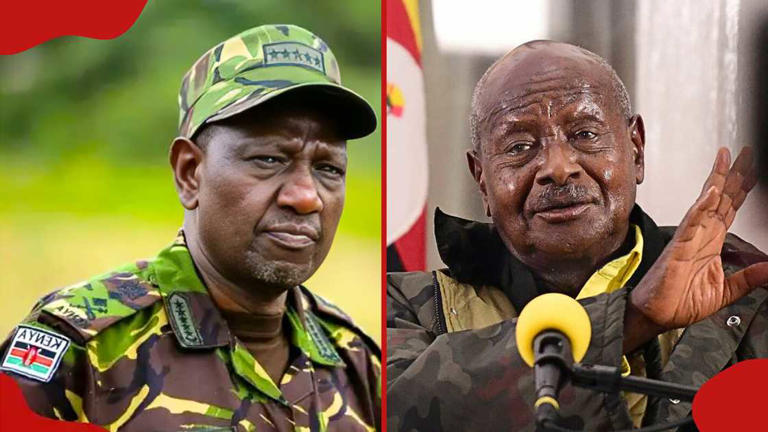
Runfarbiz Related Premium Offers Now Includes Investment, Subscription For Voice, Data & Airtime Bundles Options Updated.
31

We are now operating on both Ads revenue Model and Subscription Offers Just like Spotify, TikTok, Deezer, Apple Music , Mdundo, Boomplay, YouTube Music, Facebook Streams , Latest Runfarbiz Network system Upgrade.
32

Crazy Things Awife May Do To Mess Up Her Relationship
33

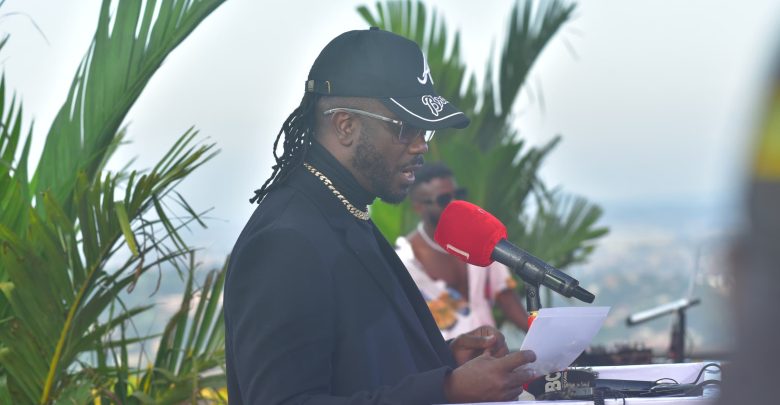
Solomon Kampala, Son of Bobi Wine, Engages Mexican Partner Helen Jaquez in Stunning Lakeside Proposal
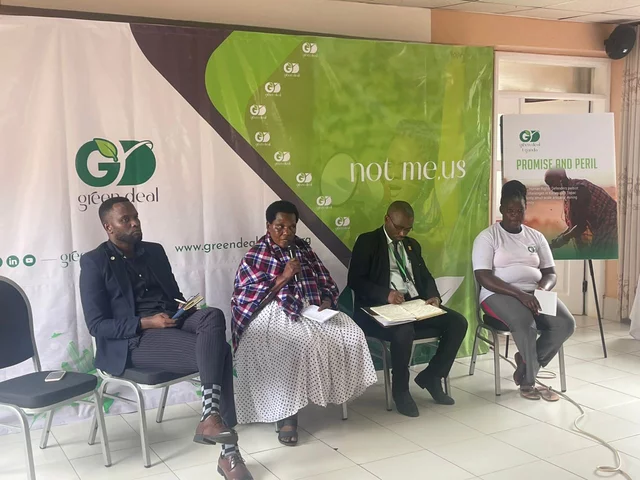
34

Africa aviation industry, Isaac Balami University of Aeronautics and Management, IBUAM, first aeronautics university Africa.
35
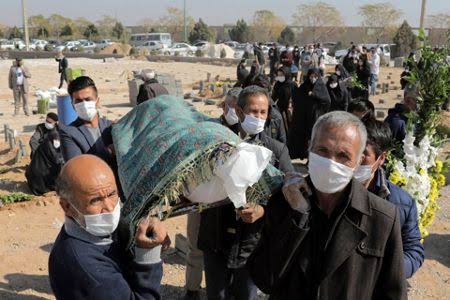
Iran holds state funeral for military leaders killed in Israel conflict.
36
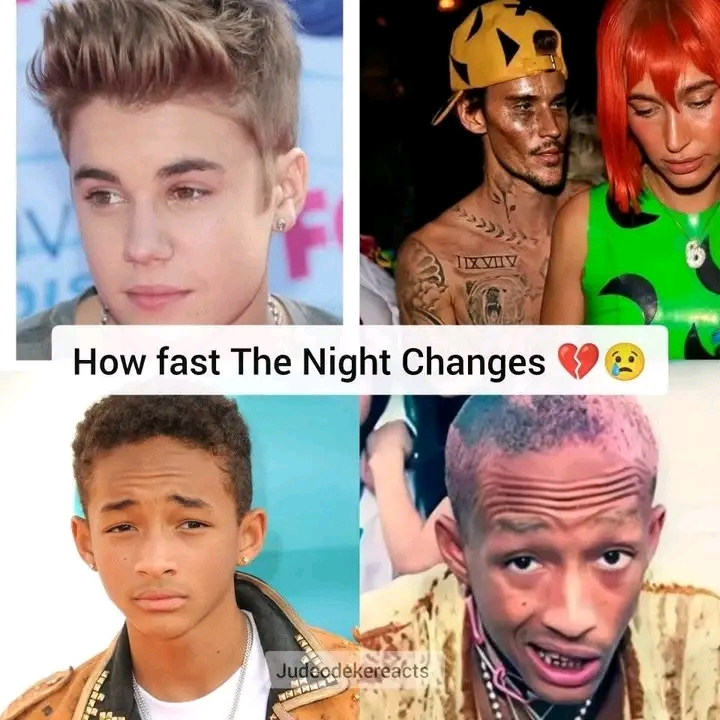
Protect your soul, The world isn’t worth it.
37
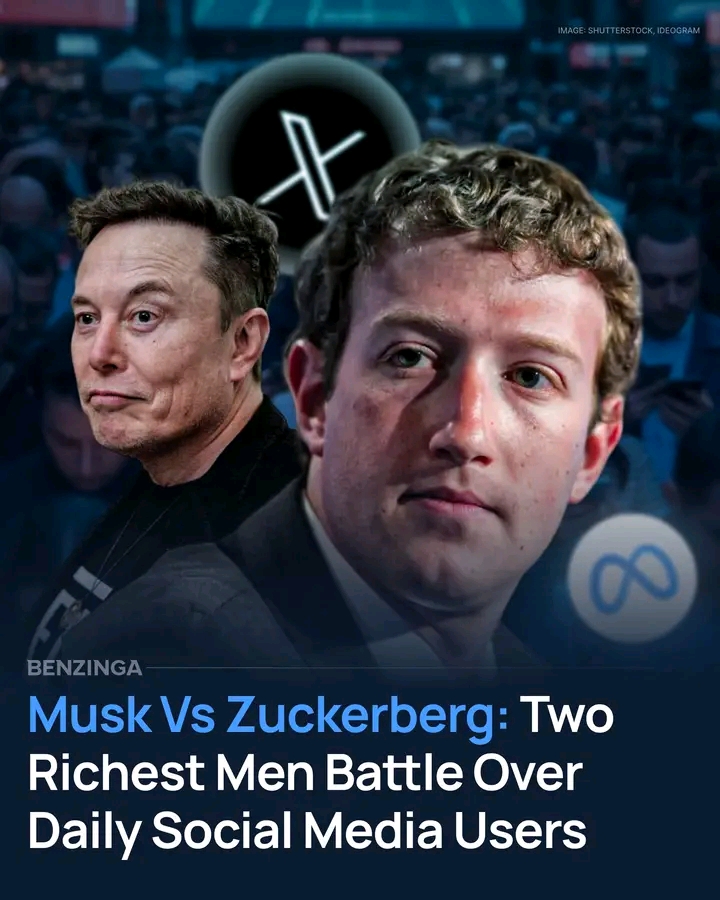
Billionaires Elon Musk and Mark Zuckerberg almost ended up in a cage fight over their competing social media platforms.
38
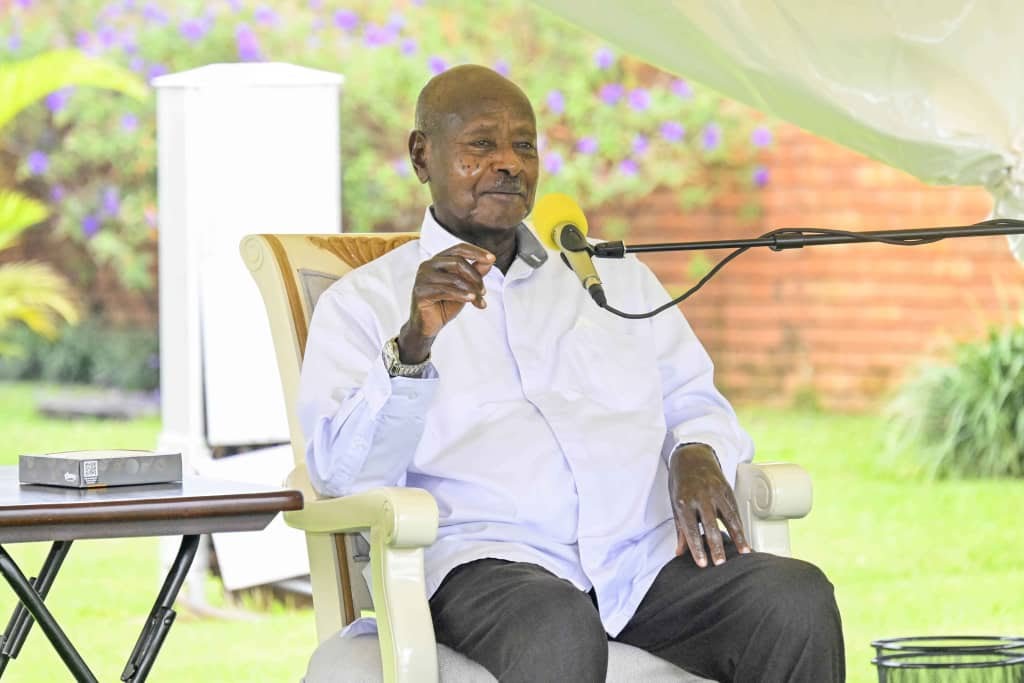
NRM Party Primary Elections Has Failed UpTo Ten Ministers , Report Confirmed by Electoral Commission Uganda.
39
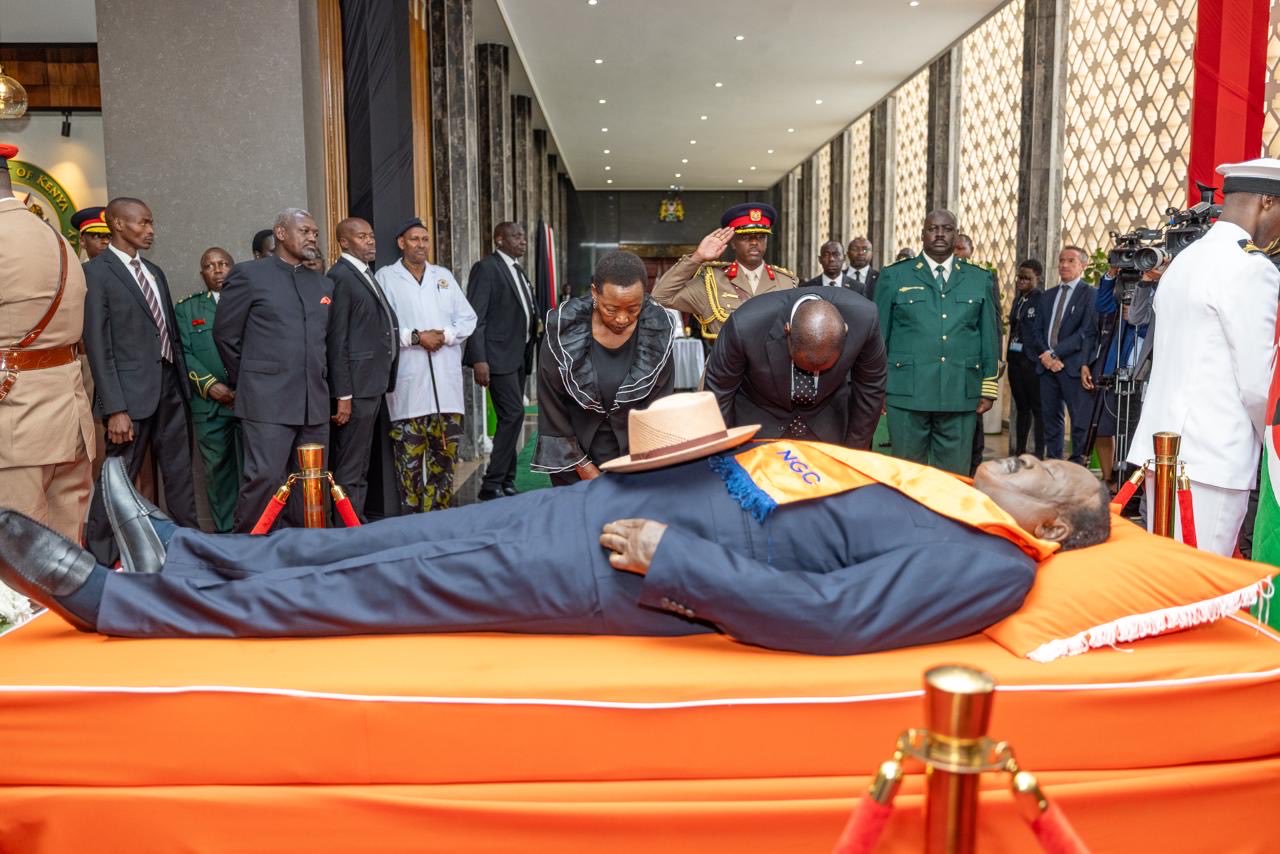
A comprehensive biography of Raila Odinga, exploring his journey from political detainee to Prime Minister, his five presidential bids, and his complex legacy in shaping modern Kenya.
40

The tech world was left stunned when Perplexity, the $18 billion AI startup led by Indian-origin CEO Aravind Srinivas, made an audacious $34.5 billion cash offer to acquire Google Chrome.
41
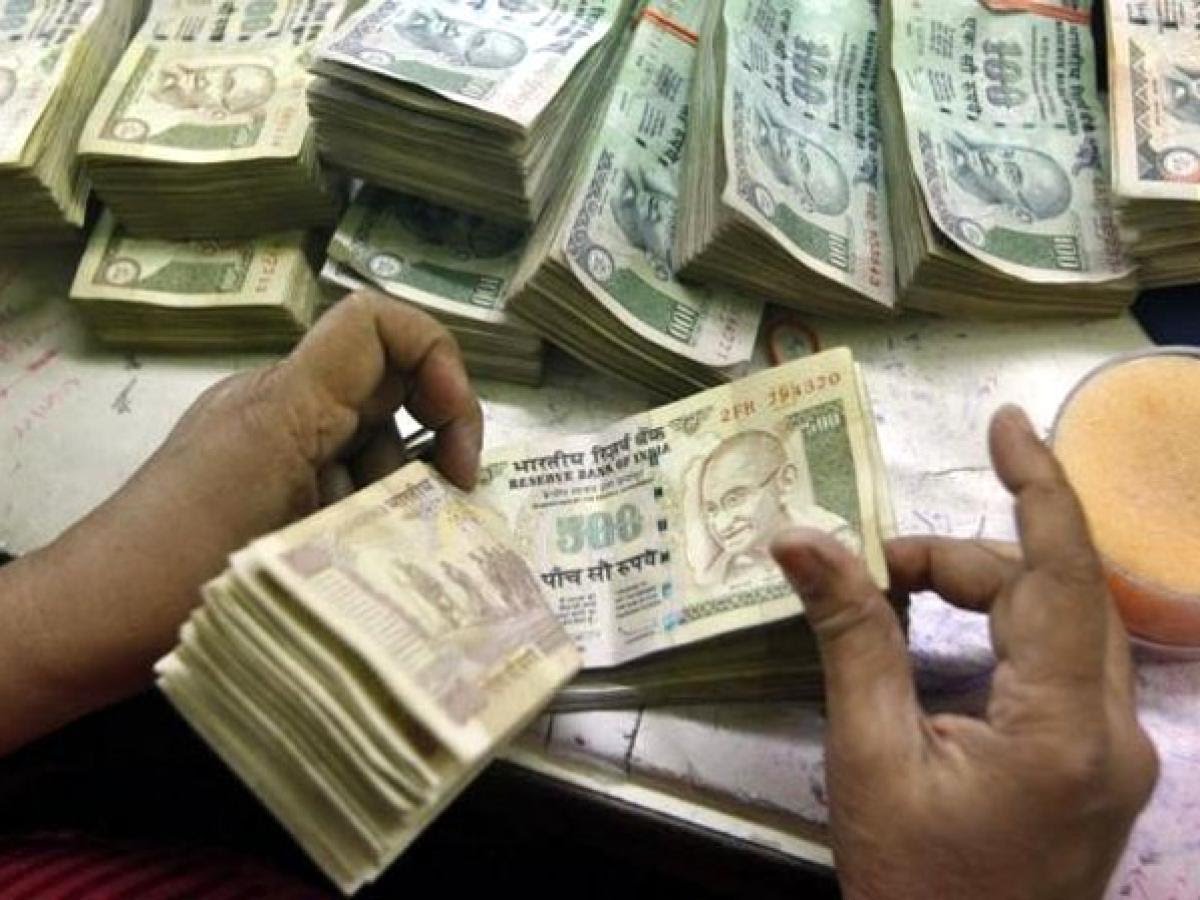
Nigerian researcher develops wireless charging tech for electric vehicles.
42

Official Digital Transformation Update From Runfarbiz Network Admin, Try To Read To The Last Paragraph
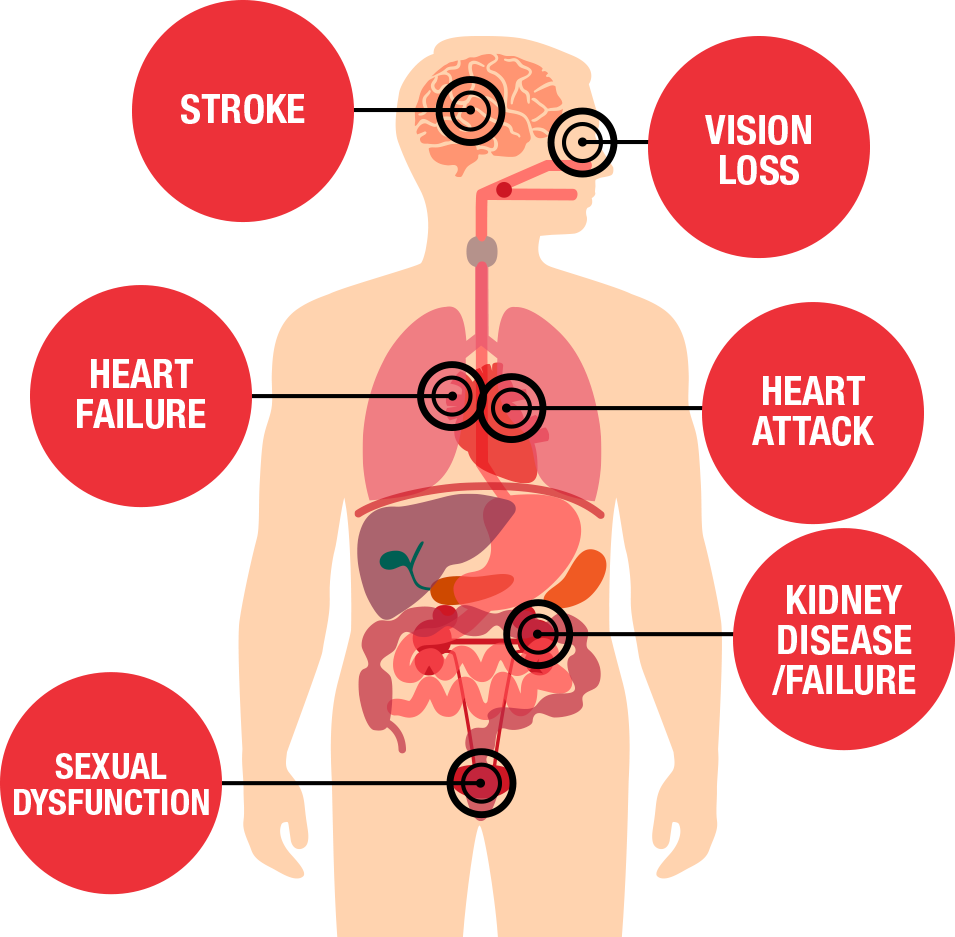
43
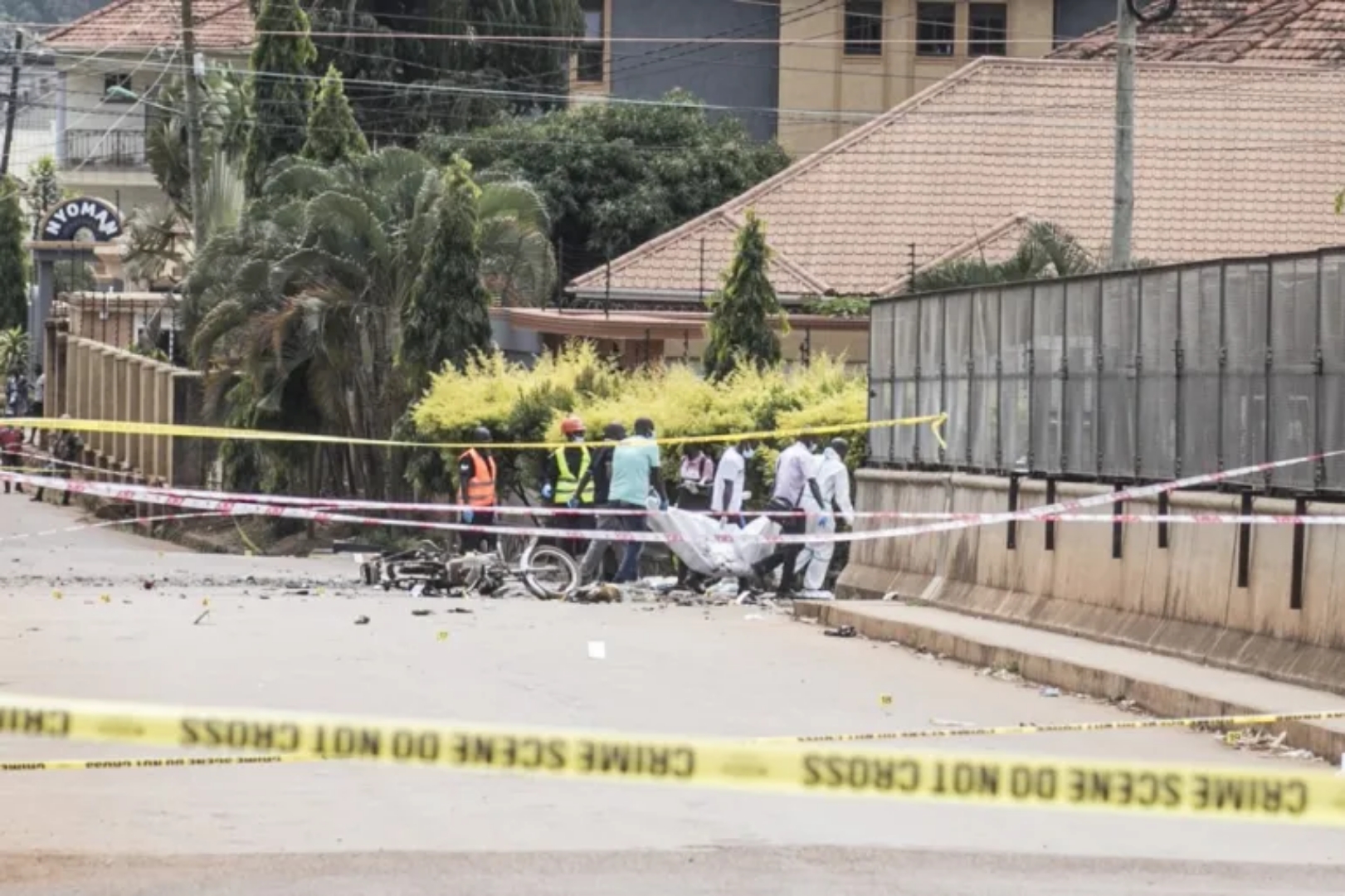
Two Suspected Ugandan Rebels Killed in Kampala Explosion.
44

Billionaire Telegram Founder Leaves His $14 Billion Fortune to the 100+ Children He’s Fathered—Which Means $132 Million for Each Lucky Gen Alpha Kid.
45

Trump Health 2025 Perfect MRI No Idea What Body Part Was Scanned, Full Story.
46

The landscape of modern warfare is on the brink of a seismic shift, and China is at the forefront of this transformation.
47
Uganda Secures Over $2 Billion in World Bank Financing to Bolster Development.
48
_biography_–_the_rising_star_in_the_music_industry..jpeg)
DAX (Daniel Nwosu) Biography – The Rising Star in the Music Industry.
49

Assistant referee Peter Kabugo passes away during sports club Villa match against UPDF
50
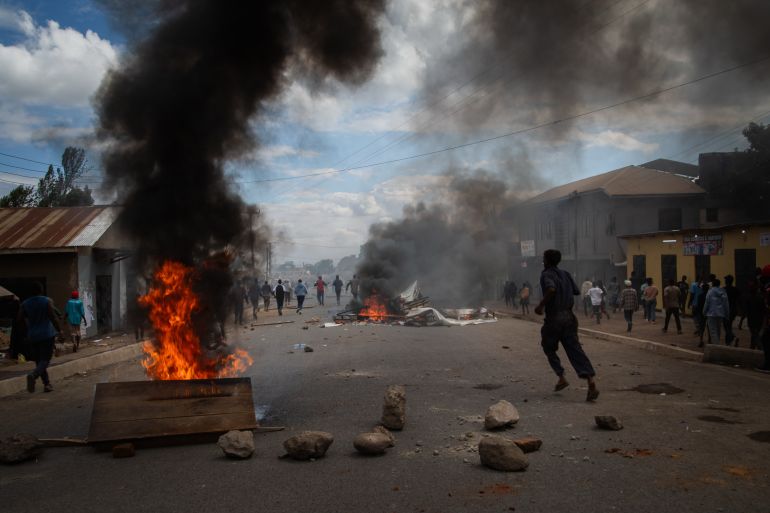
The Opposition Claims Hundreds Of Tanzanian Protesters Around 700 Already Dead.
51
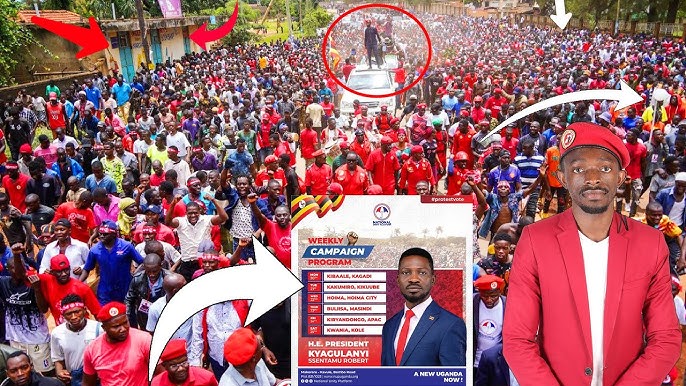
Uganda Police Ban Campaign Processions and Ambulance Misuse as Bobi Wine Launches Kampala Campaigns in Kawempe | 2026 Elections.
52
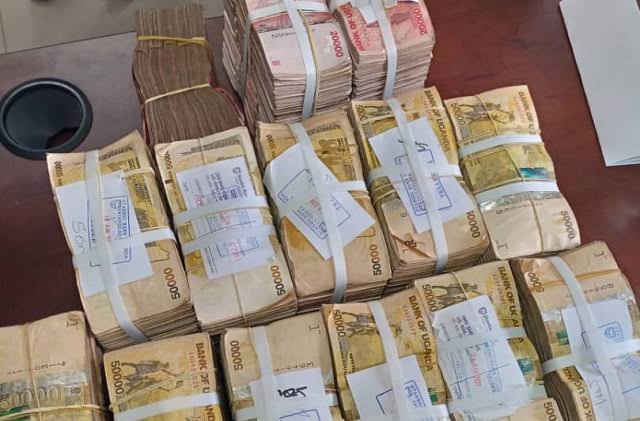
Exposed Tricks How Some Financial Credit Institutions In The Names Of Money Lenders Are Stealing From Poor Ugandans .
53
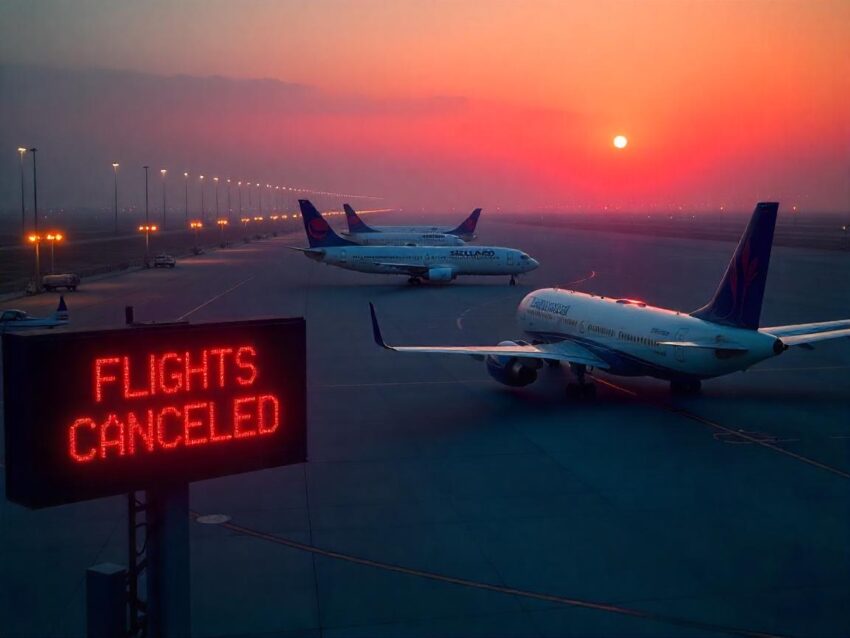
Qatar, UAE, Saudi Arabia, and other Gulf nations have shut down airspace amid rising tensions, causing massive flight cancellations and travel chaos. Latest updates here.
54
Uganda’s New Law Allowing Military Trials for Civilians.
55
Russia Begins Production of Advanced Oreshnik ICBM: A New Era in Strategic Capabilities.
56
Iran-Israel War: Origins, Casualties, Global Impact, and Future Projections.
57

Why J Donald Trump Is Still Dominating American Politics
58

Daily USSD Codes for MTN UG and Airtel UG that may assist you when having some Emergencies.
59
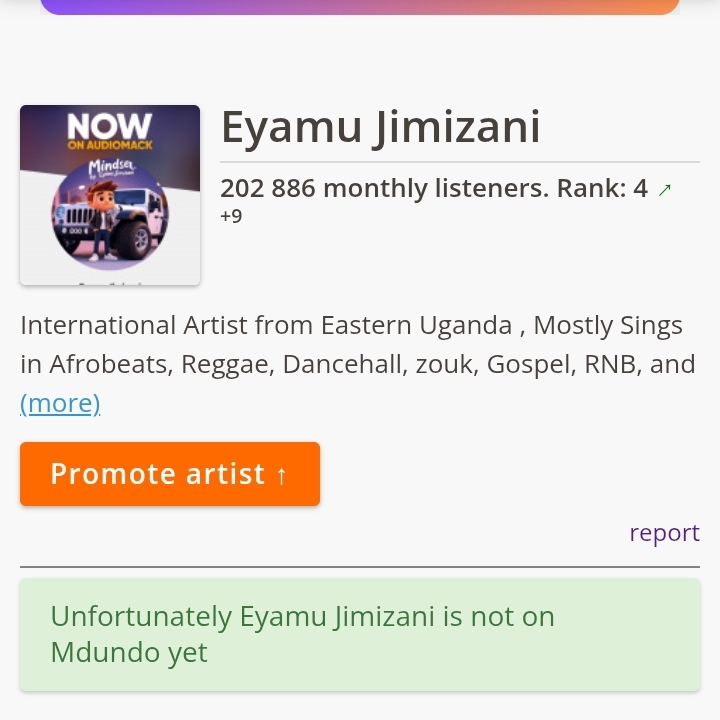
Mdundo Temporarily Blocked My Music Page After Hitting 1 million Streams Plus, My 5 million Uganda Shillings Will be losts .
60
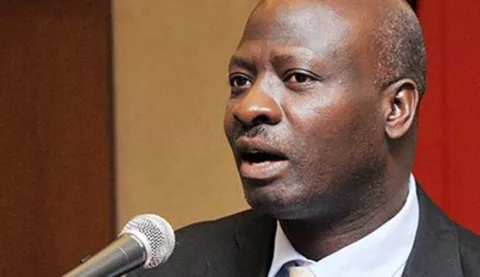
SEE NAMES OF UGANDANS SHORTLISTED FOR GOVERNMENT PAYROLL JOBS AS HEAD TEACHERS, DEPUTIES IN KCCA SCHOOLS.
61

Six Dangerous Diseases You Can Catch Through Kissing _What You Need To Know.
62
TotalEnergies Sued in Uganda Over Unpaid Bill for Toxic Fuel Depot Cleanup in Kampala.
63

Top Most Corrupt Institutions Made To Control Human Race Under The Financial Matrixs They Are Not Telling You.
64
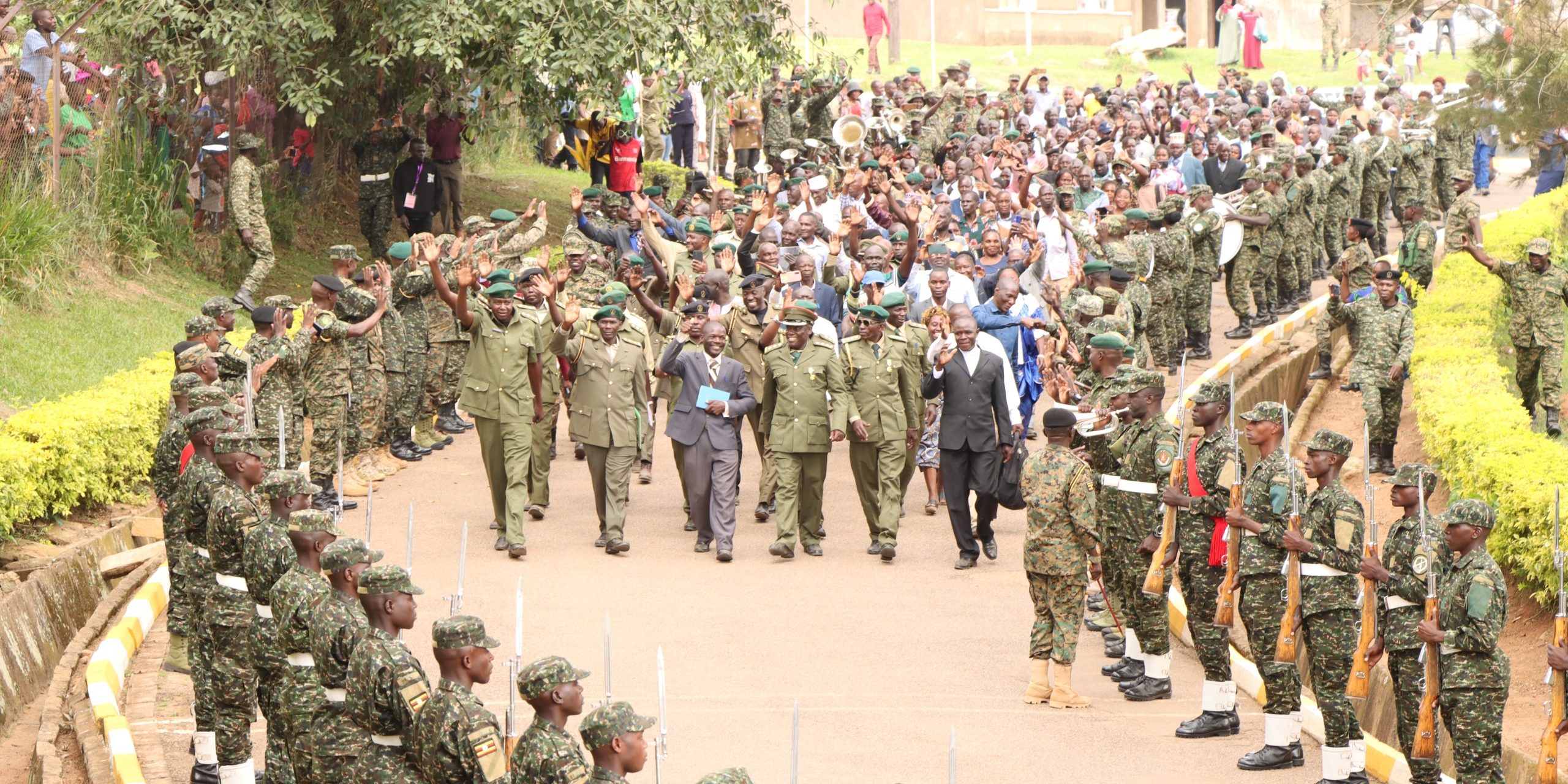
UPDF Bids Farewell to Over 600 Retirees in Nationwide Ceremonies.
65
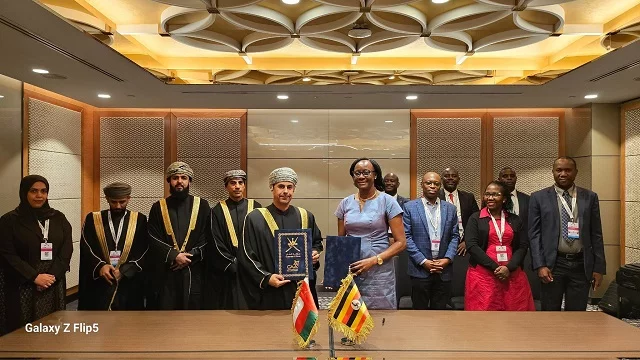
UGANDA SIGNS BILATERAL AIR SERVICE AGREEMENT WITH OMAN.
66

Runfarbiz Network Improved Streaming Features Includes The Following.
67
Microsoft has unveiled their new Copilot AI model
68

VINKA AND FIK FAMAICA TO LEAD MUBs GALA
69
Uganda and Kenya Assure No War Over Indian Ocean Oil Dispute , Museveni Remarks, Mudavadi Response & EAC Diplomacy 2025.
70

See why your always having sex on dreams, Secrets Exposed.
71

The Secret Life of Squirrels: A Tale of Love, Loyalty, and Forests in the Making.
72

President Yoweri Museveni has promised to address two critical needs in Obongi District—electricity and better roads
73

Antoine Semenyo £65m Release Clause Active in January: Man City, Liverpool & Spurs Monitoring Bournemouth Star.
74

Singer Daudi Mugema dies in Gulu
75
Bebe Cool Announces Release of New Single, ‘Circumference’
76
REPORT REVEALS ALARMING HUMAN RIGHT ABUSES IN KARAMOJA MINING SECTOR.
77
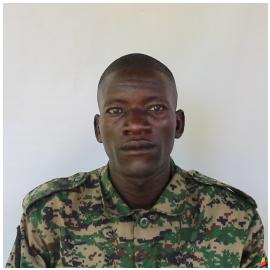
SFC soldier shoots three dead in Agago
78

Uganda and Kenya Harmonise SGR Standards: Land Acquisition Accelerates for Malaba-Kampala Railway Project.
79
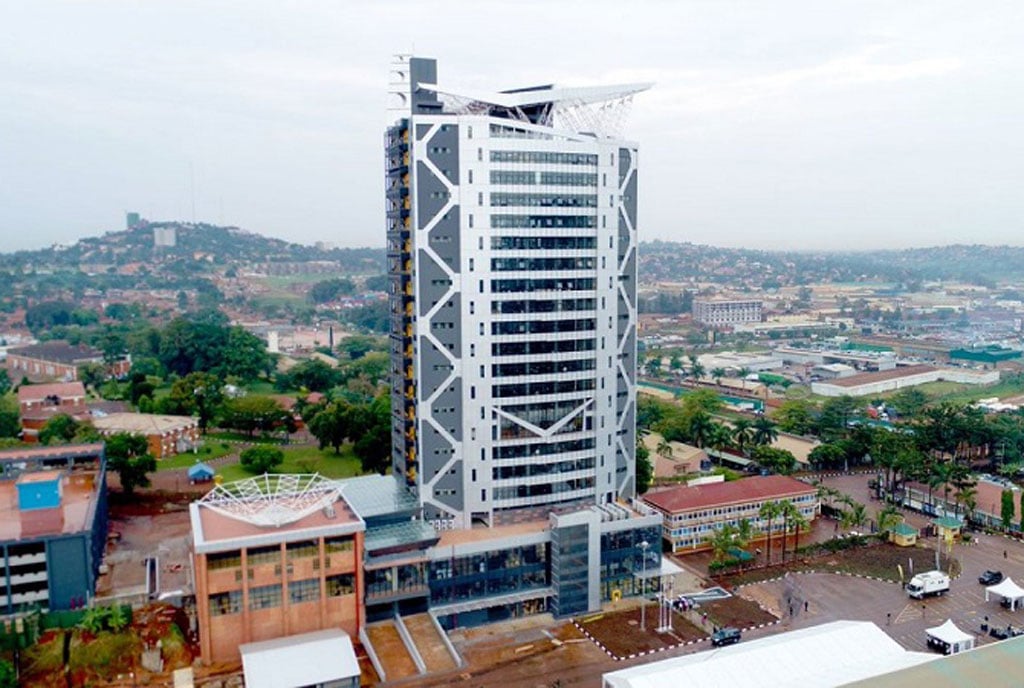
Auditor-General Demands Shs2 Trillion Forensic Tax Audit on Uganda Telecom Companies Over Revenue Discrepancies.
80

Arsenal Eye Move for Liverpool Wonderkid Joshua Abe | 15-Year-Old Right-Back Transfer News.
81
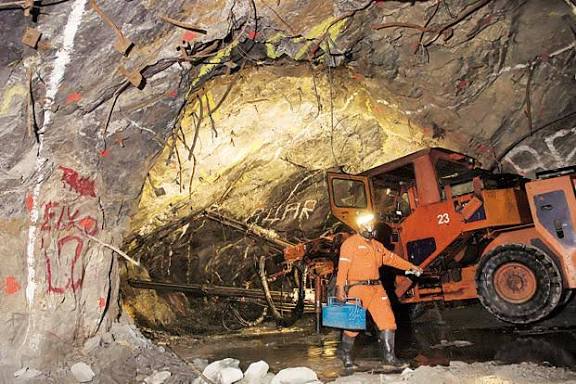
British firm discovers gold worth over $5B in western Kenya.
82
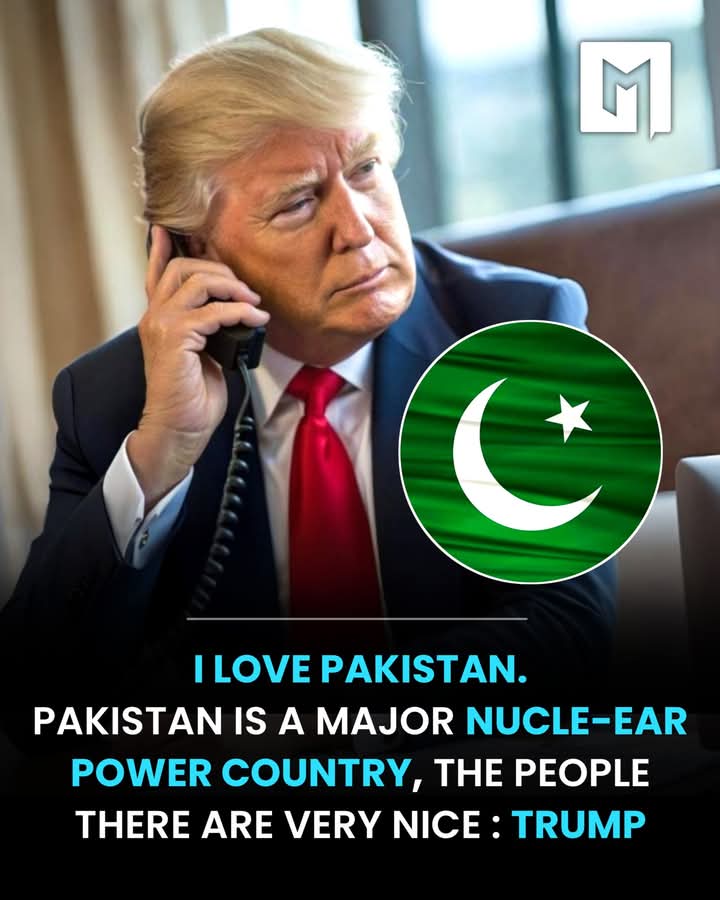
U.S. President Donald Trump recently expressed admiration for Pakistan.
83
GOVERNMENT OF UGANDA TO RECRUIT OVER 2800 TEACHERS AHEAD OF NEW TERM.
84
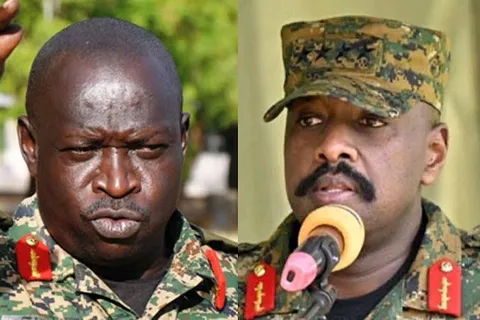
CDF Kainerugaba On Behalf Of UPDF Is Planning To Reshuffle Their Generals Like GEN Elwelu.
85
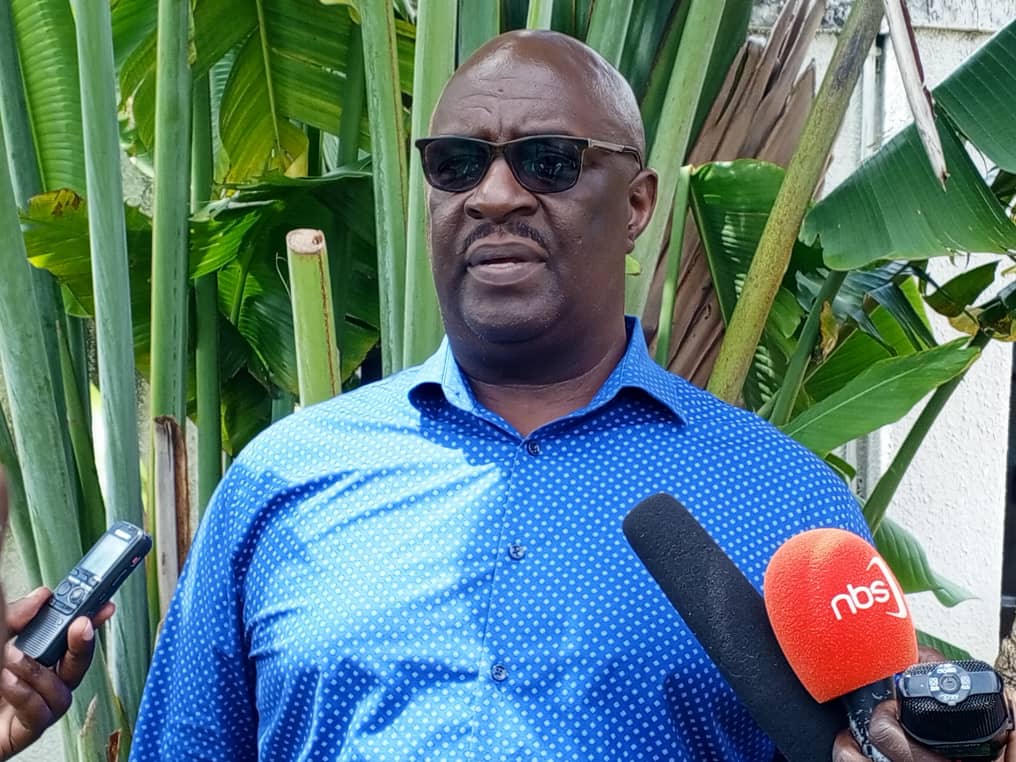
Bunyoro Kingdom Rejects UCDA Rationalization, Calls for Increased Funding
86

UPC's Jimmy Akena Vows No Space for NRM in 2026 Elections: Uganda People's Congress Resurgence Ahead of General Polls.
87
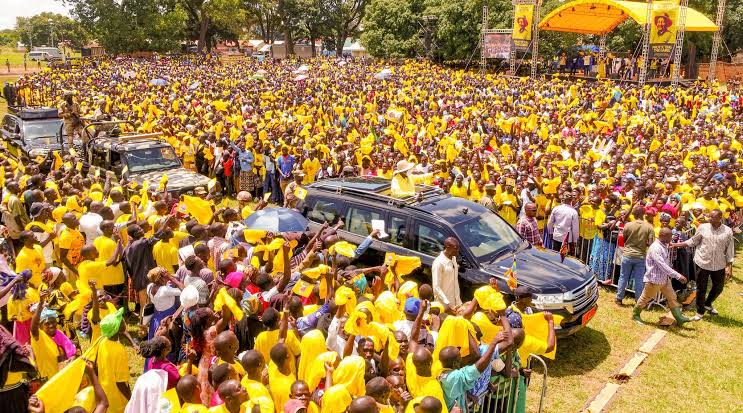
H.E Yoweri Kaguta Museveni Is The Most Concerned Ugandan Patriot.
88
25 Motivational Tips & Quotes that shall Inspire You.
89

Kylian Mbappé Breaks Messi Record: Youngest to 400 Career Goals Since Pelé at Age 26.
90

Why Bobiwine Has Been Failing The Political Presidential Elections In Uganda.
91
Pakistan Tightens Cash Dollar Sales in Bid to Curb Outflow and Support Rupee.
92

4 THINGS MOSQUITOS DON'T LIKE, WHICH WILL MAKE THEM RUN FROM BITTING YOU.
93

How to stay the happy life without money in your pocket
94
Causes and prevention of high blood pressure
95
Stop praying like this, You will summon demonic forces from abyss without knowing
96

Boywisky music official ft Bill Ranka Uganda have already released a new song titled "Yom Cwinya"
97
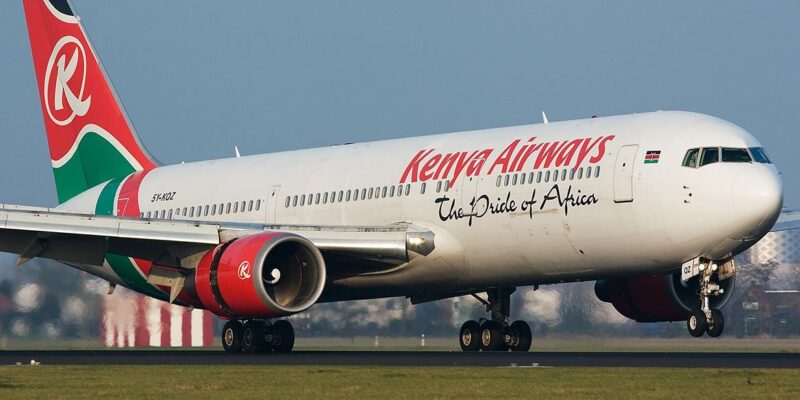
In tit-for-tat, Zambia suspends Kenya Airways flights over country’s denial of access to Zambia Airways
98
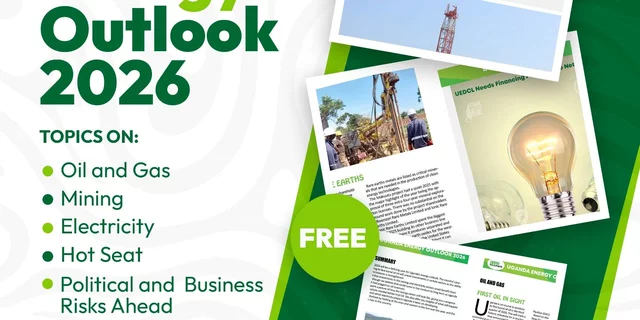
HOW UGANDAN'S ENERGY SECTOR WILL PERFORM IN 2026.HOW UGANDAN'S ENERGY SECTOR WILL PERFORM IN 2026.
99
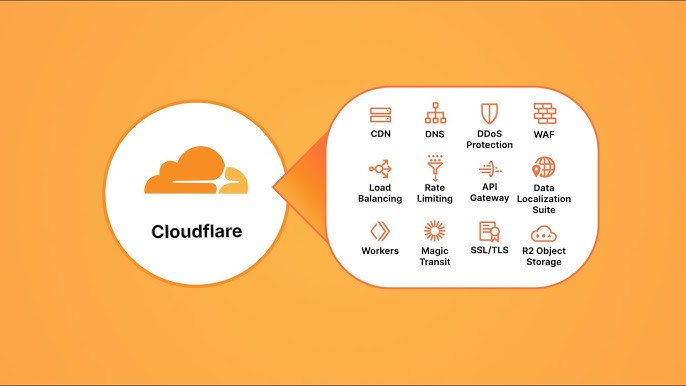
Cloudflare Outage November 18 2025: Why the Internet Broke and How Cloudflare Actually Works Behind the Scenes.
100
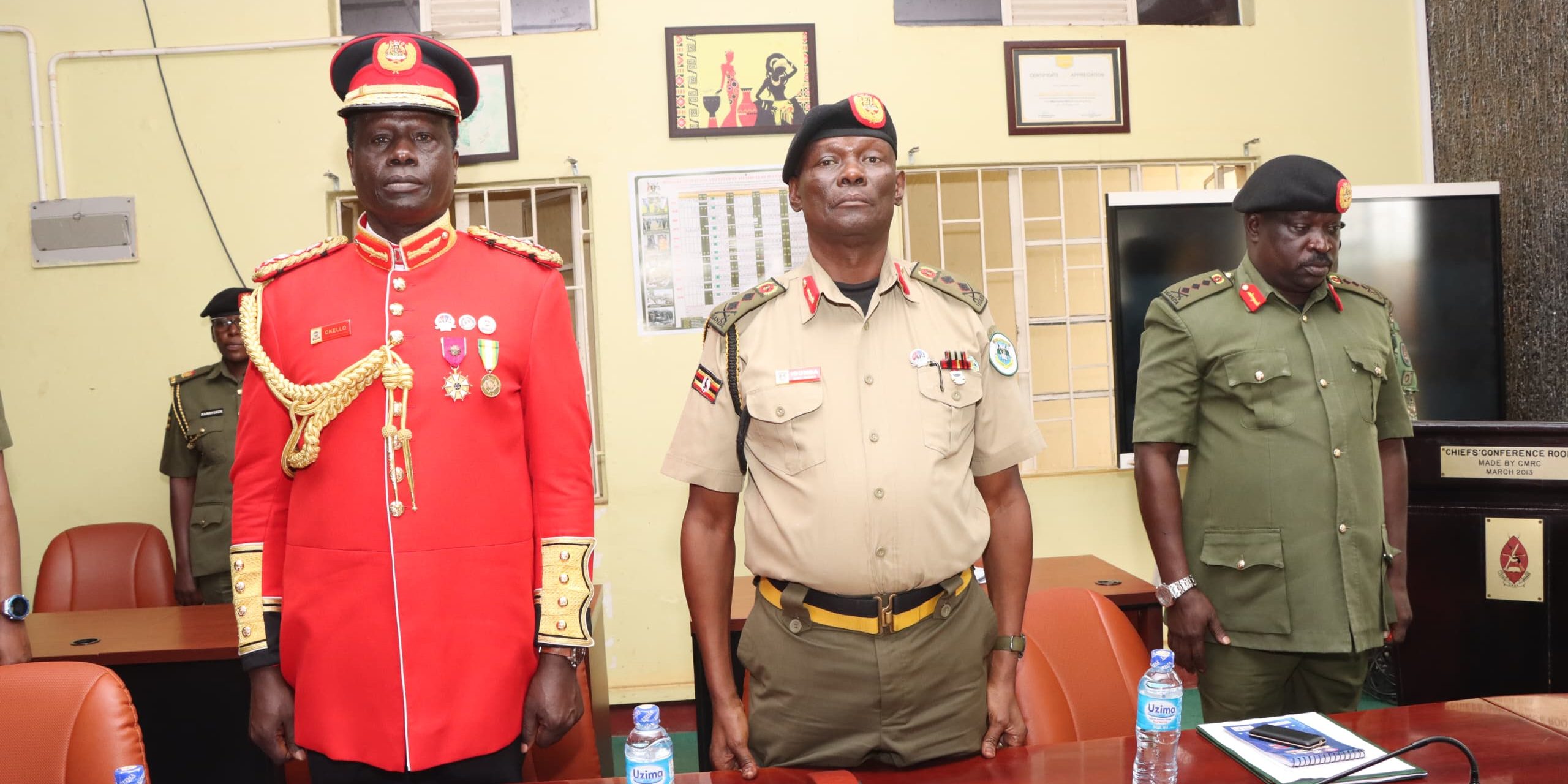
UPDF SALUTS SEVEN GENERALS , AWAITING THEIR OFFICIAL RETIREMENT
RECENT CONTENTS
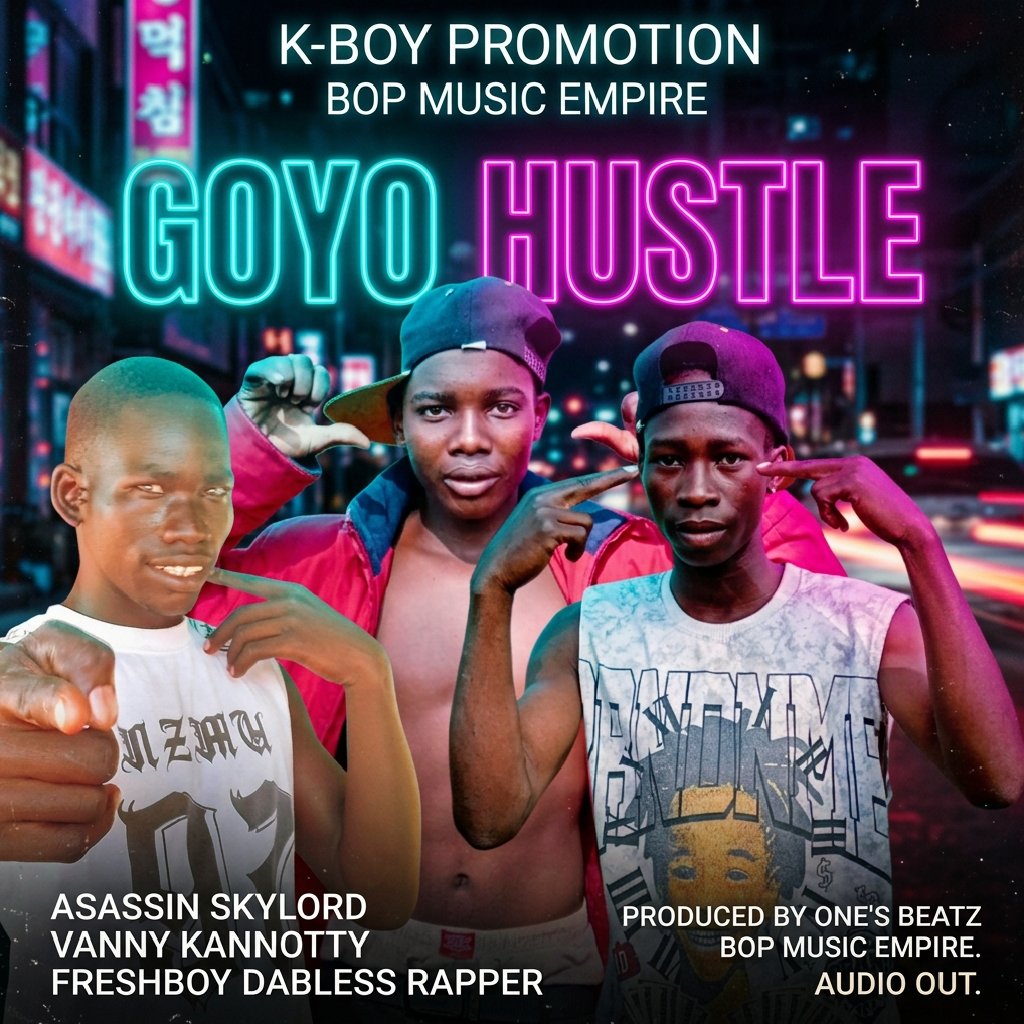
Goyo hustle by FreshBoy dabless rapper ft vanny kanotty_-_Asassin Skylord is out
FreshBoy Dabless, alongside rising artists Vanny Kanotty and Assassin Skylord, has officially released a brand-new hit titled “Goyo Hustle.” The track delivers a powerful message centered on determination, hard work, and the everyday grind for success. “Goyo Hustle,” which translates to hustling, reflects the artists’ real-life experiences and ambitions in the music industry. The collaboration showcases unique styles, energetic delivery, and a strong connection to street culture. Fans and music...
Read More

Biography Of The Chainsmokers
The Chainsmokers are an American electronic music duo comprised of Alex Pall, born on May 16, 1985, and Drew Taggart, born on December 31, 1989. The two came together in New York City in 2012 after Alex, who had been working as a DJ, was introduced to Drew through a manager. They quickly bonded over their shared passion for dance music and began producing original tracks and remixes, initially gaining...
Read More
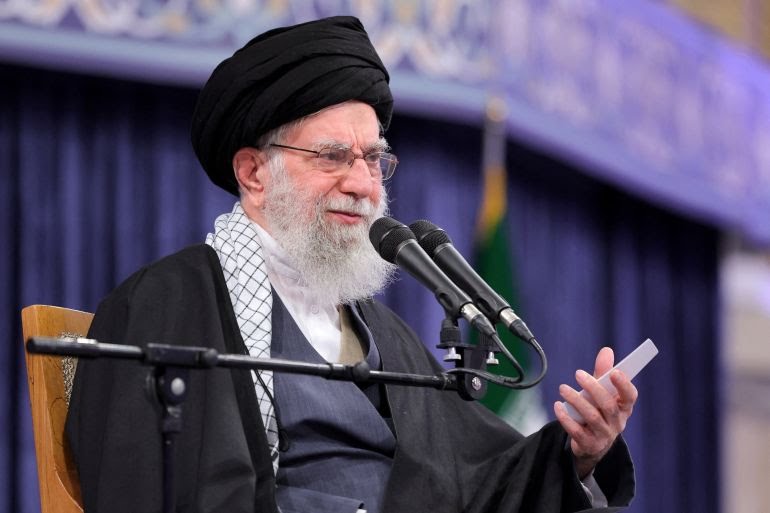
Irans Supreme Leader Confirmed Killed By Israels Joint Attack With America
On February 28 and into March 1, 2026, Israel and the United States launched a coordinated joint military operation against Iran, marking a significant escalation in long-running tensions over Tehran’s nuclear and missile programs. The offensive involved extensive airstrikes by Israeli forces and participation by U.S. military assets targeting Iranian military infrastructure, command centers, missile sites, air defenses, and political leadership compounds. Several senior Iranian officials and commanders were reported...
Read More
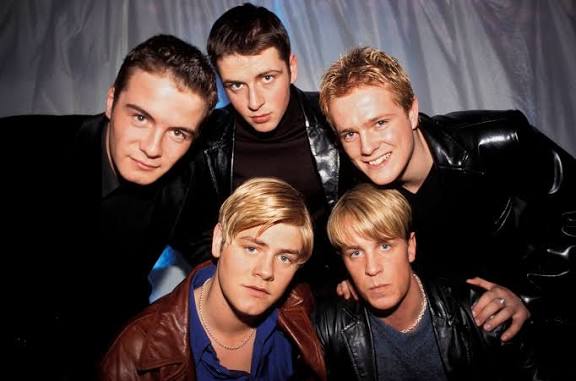
WestLife - Biography And Their Music Journey.
Westlife, the Irish pop group, came together in Dublin in July 1998 when Shane Filan, Kian Egan, and Mark Feehily, who had been schoolmates from Sligo, joined forces with Nicky Byrne and Brian McFadden following auditions to complete the original five-member lineup. by Louis Walsh and initially supported by Ronan Keating, they quickly signed a >
Managedajor record deal and burst onto the scene in 1999 with their debut single...
Read More
Niki Biography And Music – Indonesian Singer-Songwriter, Global Pop R&B Artist, Career and Music Journey
Nicole Zefanya, known professionally as Niki, is an Indonesian singer-songwriter born on January 24, 1999, in Jakarta, Indonesia. She is recognized for her alternative pop and R&B sound and is signed to the record label 88rising. Over the years, she has gained global recognition for her songwriting and musicianship, building an international audience while living and working in the United States.
Niki began developing her musical skills at a young age...
Read More

Afgan Music And Biography Of The Artist – Indonesian Singer, R&B Artist, Albums, Career Journey, and Music Evolution.
Afgansyah Reza, known professionally as Afgan, is an Indonesian singer and actor born on May 27, 1989, in Jakarta, Indonesia. He is widely recognized for his smooth pop and R&B style and has become one of Indonesia’s most prominent contemporary male vocalists.
He grew up in a musical Muslim family of Minangkabau heritage and is the second of four children.
Interestingly, despite later becoming famous for his voice, he never underwent...
Read More