
Burkina Faso, Mali, and Niger have taken a decisive step toward reshaping the Sahel’s digital and economic future, turning to Russia to build the region’s first shared telecommunications satellite. The project, discussed under the framework of the Alliance of Sahel States (AES), underscores the three countries’ growing emphasis on technological sovereignty, regional integration, and economic self-reliance amid shifting geopolitical alliances. According to officials cited by Business Insider Africa, the satellite initiative is being pursued in collaboration with Russian partners, including Roscosmos, and is designed to serve the combined needs of the AES bloc. The proposed satellite would support telecommunications services across the three countries, with potential applications spanning internet connectivity, government communications, security coordination, and disaster response.
For Burkina Faso, Mali, and Niger, the satellite project addresses a long-standing structural weakness: limited and uneven digital infrastructure. Large parts of the Sahel remain poorly connected due to their vast landmass, low population density, and the high costs of laying fibre-optic cables and maintaining terrestrial networks. A shared satellite system offers a cost-effective alternative, and by pooling resources, the three countries can extend mobile and internet coverage to remote and underserved areas, supporting digital inclusion in regions where traditional telecom infrastructure has struggled to reach. Improved connectivity is critical for enabling mobile banking, digital payments, e-commerce, online education, and telemedicine, sectors increasingly central to modern economic growth. Economists note that digital infrastructure functions as a general-purpose input across the economy. Better connectivity lowers transaction costs, improves market access, and boosts productivity for small businesses, farmers, and service providers. For landlocked economies like Burkina Faso, Mali, and Niger, digital connectivity also helps offset geographic disadvantages by linking local markets to regional and global value chains.
Beyond civilian use, the telecom satellite carries strategic importance for security and governance, two areas that heavily influence economic performance in the Sahel. Secure communications and satellite-enabled monitoring can improve coordination among state institutions, border agencies, and emergency services. Persistent insecurity in parts of the region has disrupted trade, displaced populations, and discouraged private investment. While a satellite is not a substitute for political solutions, an enhanced communication infrastructure can reduce response times during crises, improve situational awareness, and support more efficient public administration. Over time, these factors can contribute to a more stable operating environment for businesses.
is not a substitute for political solutions, an enhanced communication infrastructure can reduce response times during crises, improve situational awareness, and support more efficient public administration. Over time, these factors can contribute to a more stable operating environment for businesses.
The satellite project also reflects a broader economic logic behind the Alliance of Sahel States, which was formed in 2023 following the withdrawal of Burkina Faso, Mali, and Niger from ECOWAS. Shared digital infrastructure is a tangible step toward economic integration. Instead of duplicating costly national projects, the three governments are pursuing economies of scale by investing jointly in strategic assets. This approach mirrors regional infrastructure models seen in energy pools, transport corridors, and shared payment systems elsewhere on the continent. If successful, the telecom satellite could become a blueprint for future joint investments, including data centres, earth-observation satellites, and regional digital platforms. Such projects could strengthen intra-Sahel trade and reduce reliance on external service providers.
Russia’s role in the satellite initiative highlights a broader reorientation of external partnerships by AES countries. Following deteriorating relations with traditional Western allies, particularly France, the three governments have sought alternative partners willing to provide technology, financing, and political backing without stringent governance conditions. For Russia, the partnership offers strategic and commercial benefits, including deeper influence in the Sahel and opportunities for its aerospace and technology sectors. For Burkina Faso, Mali, and Niger, Russian collaboration provides access to satellite expertise at a time when Western support may be limited by sanctions, political disagreements, or investor caution. However, analysts caution that reliance on any single external partner carries risks, including long-term dependency and geopolitical exposure. The economic success of the project will depend on transparent financing structures, sustainable operating models, and AES states' ability to retain meaningful control over the asset.
Taken together, the satellite initiative represents a long-term bet on digital transformation as a foundation for economic resilience in the Sahel. While the three countries face immediate challenges, including inflation, fiscal constraints, and security pressures, the investment signals a strategic focus on building future-oriented infrastructure. If effectively implemented, the shared telecom satellite could narrow the digital divide, support private-sector growth, and reinforce regional cooperation at a time of political realignment. For Burkina Faso, Mali, and Niger, the question is not only whether the satellite will launch, but whether it can deliver lasting economic returns in one of Africa’s most fragile yet strategically significant regions.
Why Burkina Faso, Mali, and Niger Are Launching a Shared Telecom Satellite with Russia.



Trending Now - TOP 100
1

Why Africa’s Mineral-Rich Countries Stay Poor: The Hidden Truth Behind Cobalt, Gold, and the Resource Curse, and Profit Shifting.
2

Crystal Palace stunned Liverpool to win the Community Shield
3
More than 50k Russian troops have deserted war from Ukraine
4
Michelle Obama Says America “Ain’t Ready” for a Woman President: Candid Remarks on Kamala Harris Loss and Gender Bias in 2025.
5

MIT Study Reveals AI's Fatal Flaw: Why ChatGPT Still Can't Understand 'No.
6

Why Your Phone Screen Is Shaking: Causes, Fixes, and Prevention Tips
7

Introducing Runfarbiz Network TV Global News software 2026
8

Jeff Bezos Reclaims No. 3 Richest Title From Sergey Brin After Amazon Store Closures
9

Best Music Affiliate Program This 2026 For Musicians.
10
Germany's Air Power Pivot: Inside the 20 New Eurofighter Typhoon Order
11

Elon Musks SpaceX to invest in xAI From $2 billion funding to $113 billion valuation.
12
Aliko Dangote Became The Richest Black Man In The World — And Now He Plans To Invest $1B In Industrial Projects In Zimbabwe.
13
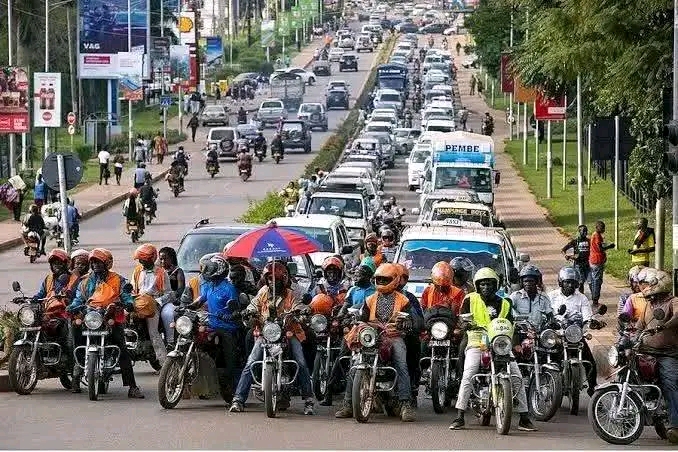
Kampala Traffic Jam Continues To Be Dominated By Bodaboda Riders & Taxis Amidst Coming Events.
14

Niki Biography And Music – Indonesian Singer-Songwriter, Global Pop R&B Artist, Career and Music Journey
15

Acidic Vokoz plans another major concert
16

ARSENAL TO SIGN MADUEKE FROM CHELSEA
17

WordPress Settings Required For Any Good Website Development And Clean User Interface
18

Types of Hacking Methods That Are Popularly Being Used By Hackers.
19
Man United receive key Marcus Rashford transfer exit 'approval' as £44.8m enquiry made
20

SPORTS: All transfer rumors
21
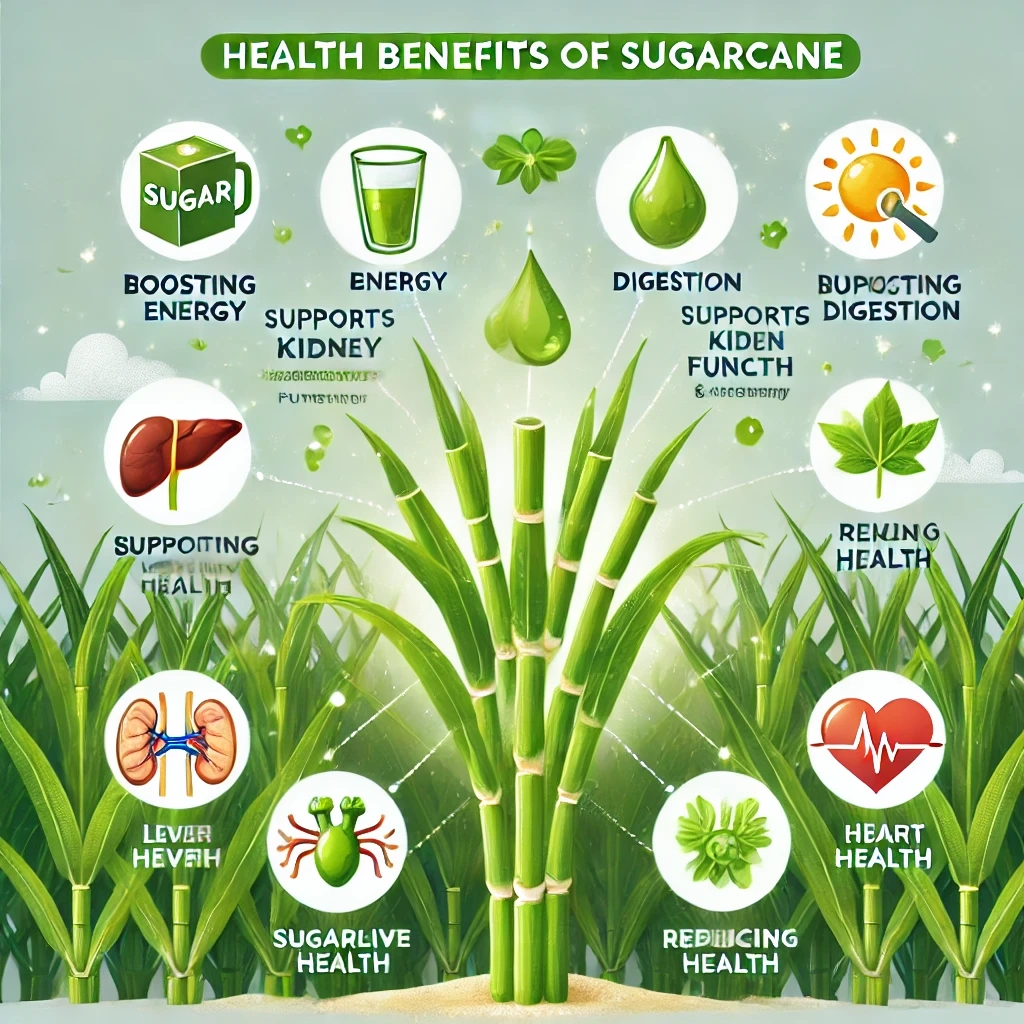
The health benefits of eating sugarcane on daily basis
22
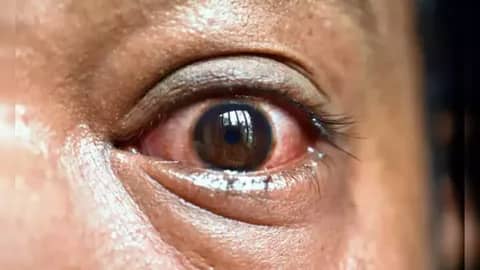
YOU CAN CONTACT SYPHILIS IN YOUR EYES IF YOU ENGAGE IN THESE THREE THINGS.
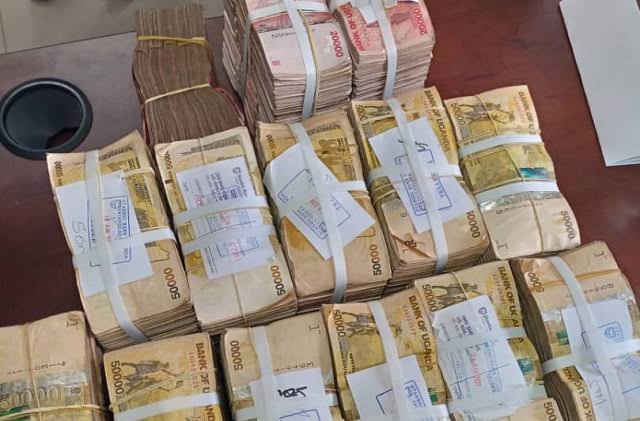
23

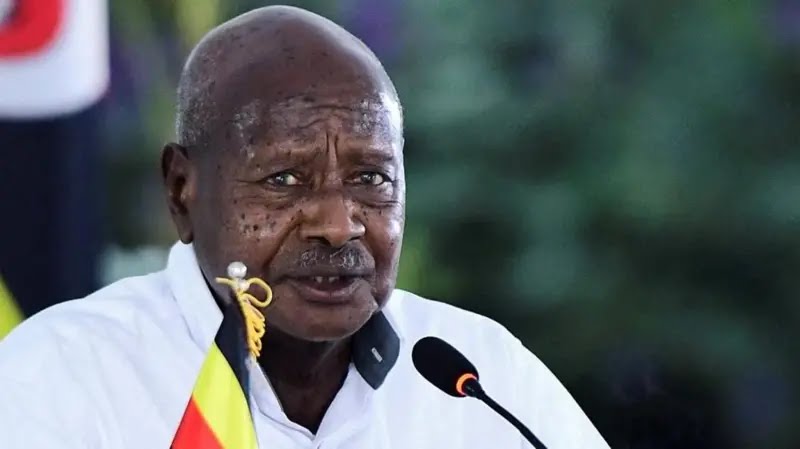
Ugandans spend Shs 55bn a day on TikTok data - Report
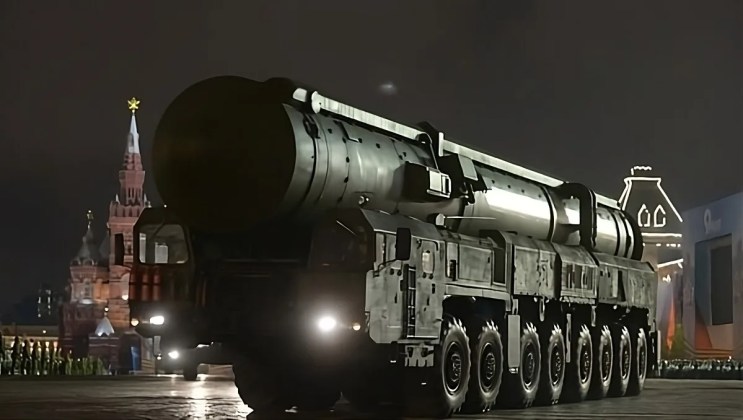
24

What Is Agood Webhosting ?
25

Do These Simple Steps To Stop Mustarbation Addiction.
26
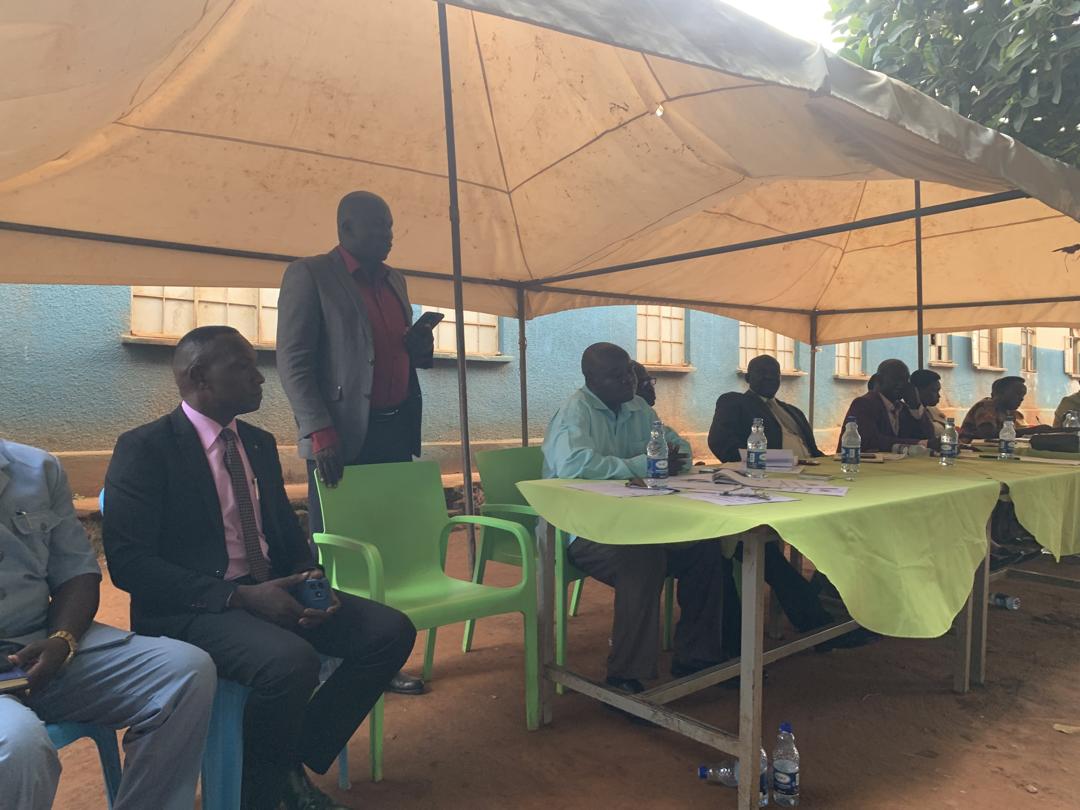
Kalaki Leaders Embark On Benchmarking Tour To Revive Education Standards At Top-Performing VH Public School
27
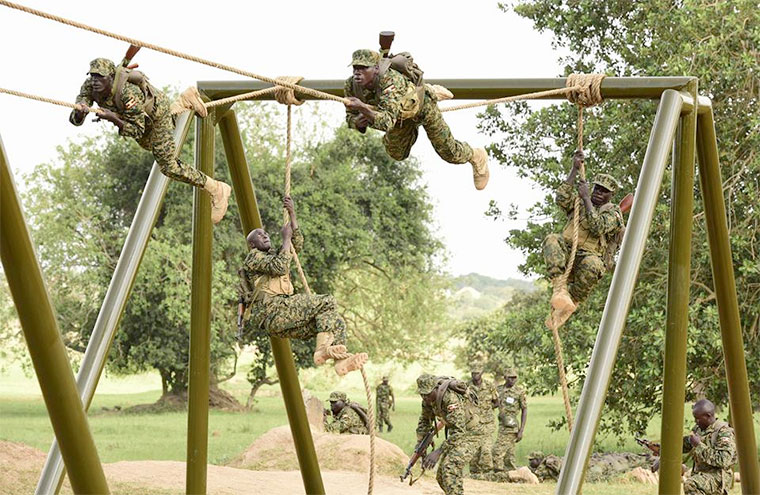
UPDF has disqualified More than 60000 Applicants In Intitail Phase Screening.
28
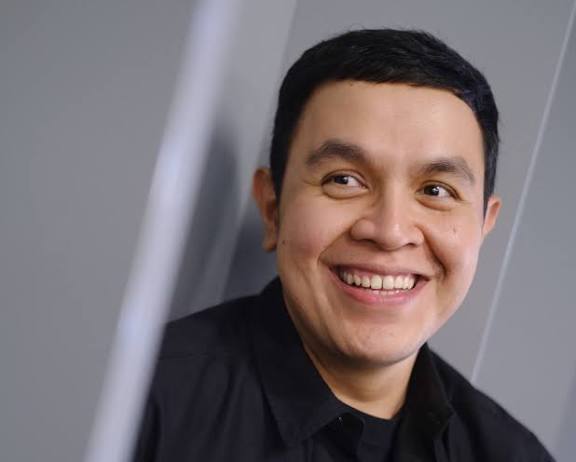
Tulus Biography Details And Music Of The Artist
29
Fintechs Dominate Africa's Top Startup Valuations in 2025: Flutterwave, OPay, and Wave Lead the Unicorn List.
30

Runfarbiz Related Premium Offers Now Includes Investment, Subscription For Voice, Data & Airtime Bundles Options Updated.
31

We are now operating on both Ads revenue Model and Subscription Offers Just like Spotify, TikTok, Deezer, Apple Music , Mdundo, Boomplay, YouTube Music, Facebook Streams , Latest Runfarbiz Network system Upgrade.
32

Crazy Things Awife May Do To Mess Up Her Relationship
33

Solomon Kampala, Son of Bobi Wine, Engages Mexican Partner Helen Jaquez in Stunning Lakeside Proposal
34
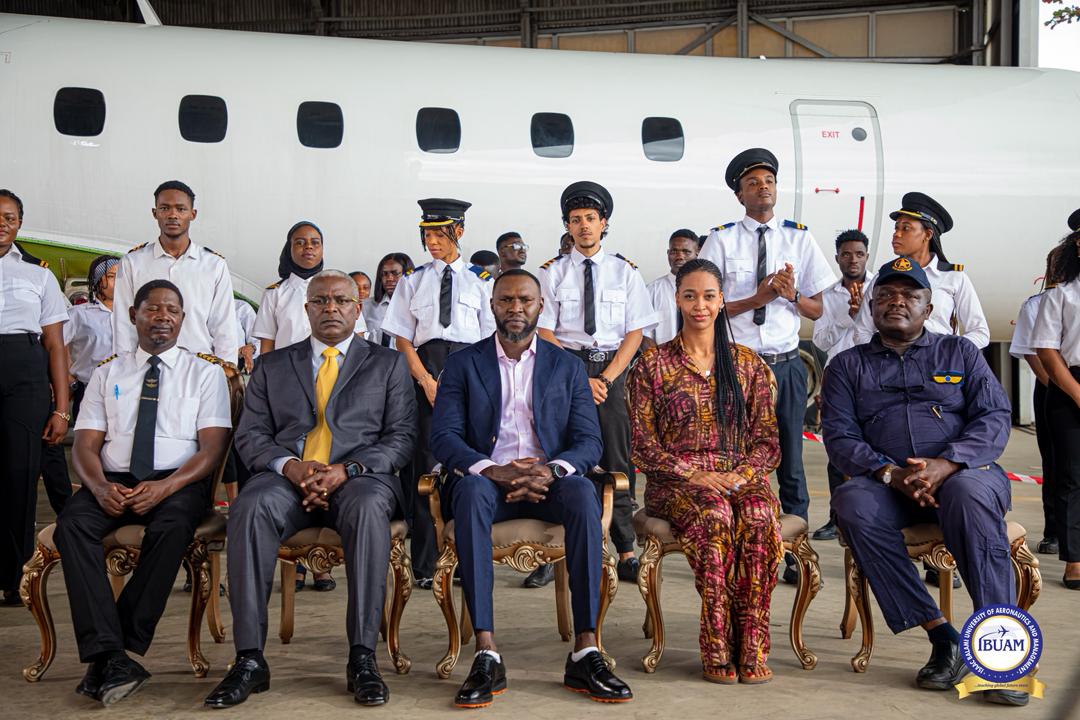
Africa aviation industry, Isaac Balami University of Aeronautics and Management, IBUAM, first aeronautics university Africa.
35

Protect your soul, The world isn’t worth it.
36
Iran holds state funeral for military leaders killed in Israel conflict.
37

Billionaires Elon Musk and Mark Zuckerberg almost ended up in a cage fight over their competing social media platforms.
38
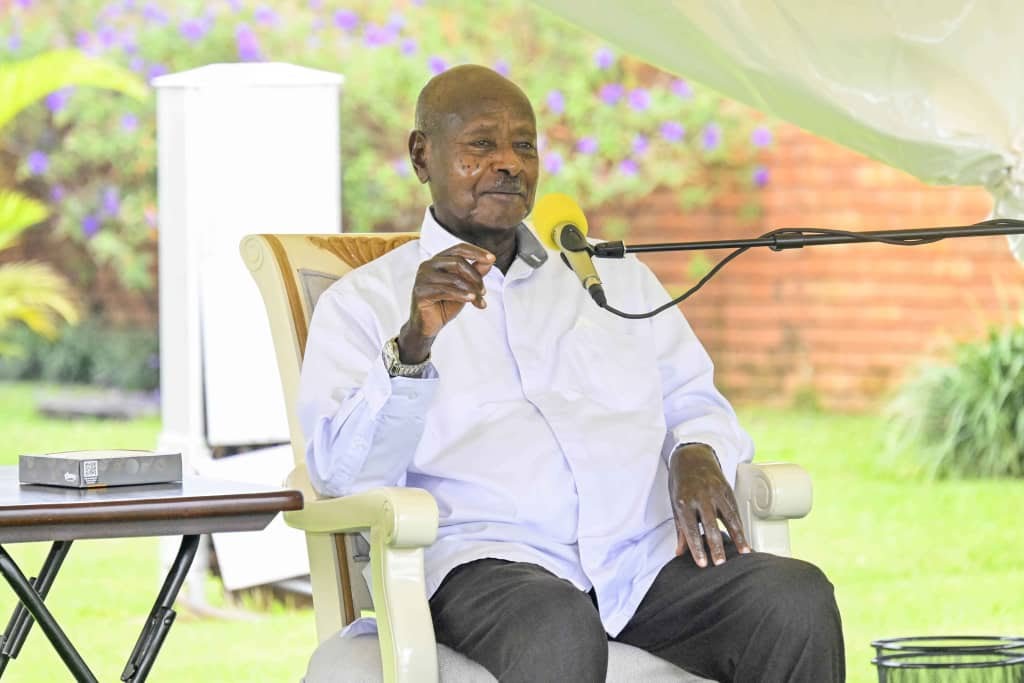
NRM Party Primary Elections Has Failed UpTo Ten Ministers , Report Confirmed by Electoral Commission Uganda.
39

The tech world was left stunned when Perplexity, the $18 billion AI startup led by Indian-origin CEO Aravind Srinivas, made an audacious $34.5 billion cash offer to acquire Google Chrome.
40
Nigerian researcher develops wireless charging tech for electric vehicles.
41

Official Digital Transformation Update From Runfarbiz Network Admin, Try To Read To The Last Paragraph
42
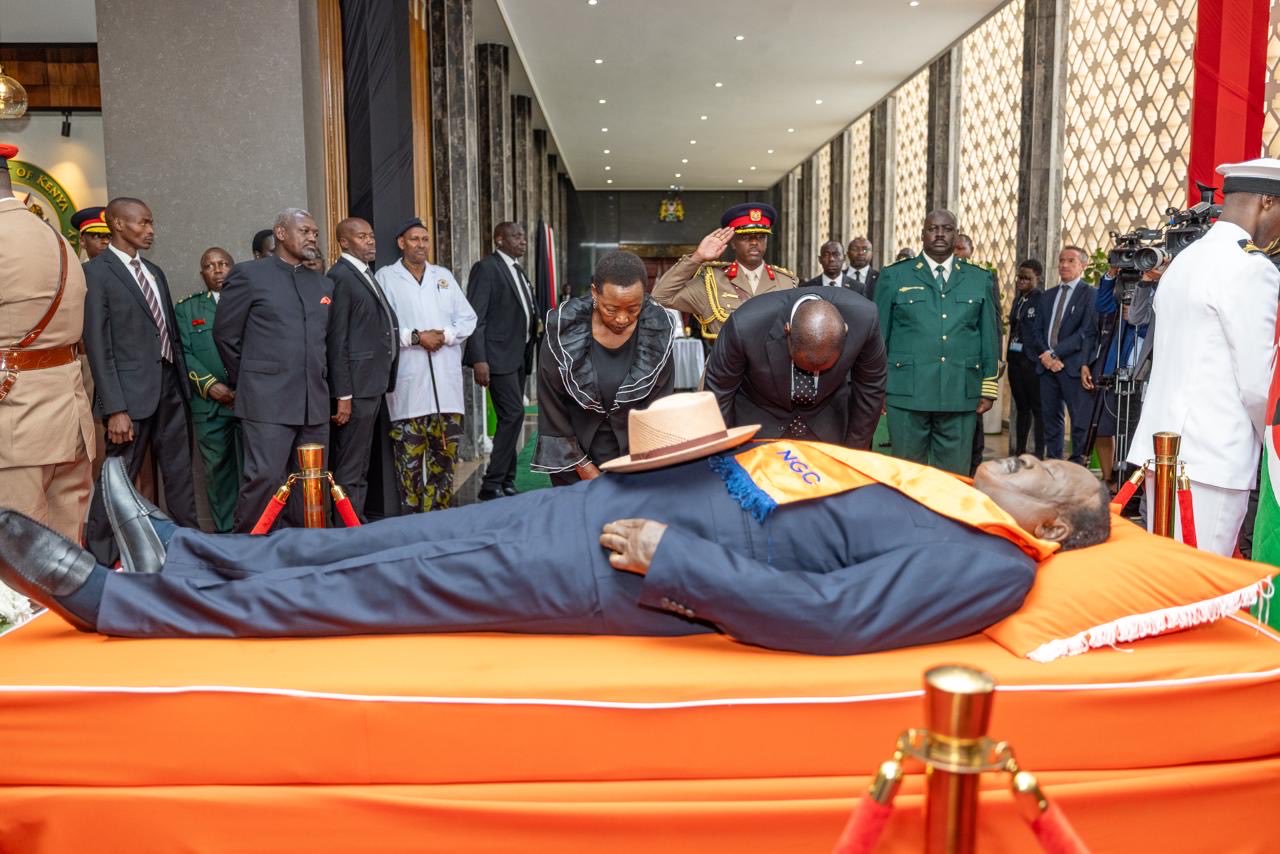
A comprehensive biography of Raila Odinga, exploring his journey from political detainee to Prime Minister, his five presidential bids, and his complex legacy in shaping modern Kenya.
43
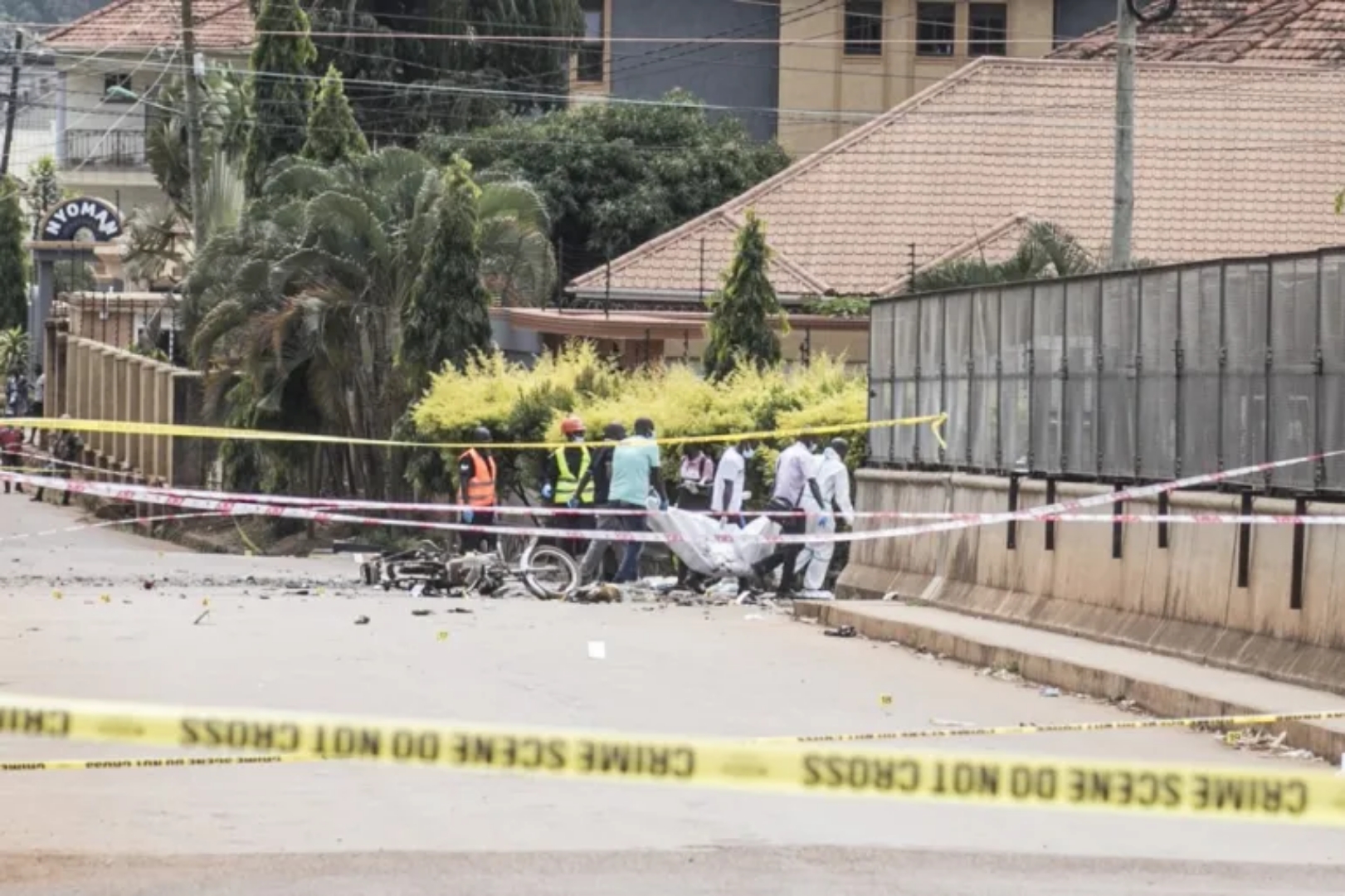
Two Suspected Ugandan Rebels Killed in Kampala Explosion.
44

Billionaire Telegram Founder Leaves His $14 Billion Fortune to the 100+ Children He’s Fathered—Which Means $132 Million for Each Lucky Gen Alpha Kid.
45

Trump Health 2025 Perfect MRI No Idea What Body Part Was Scanned, Full Story.
46

The landscape of modern warfare is on the brink of a seismic shift, and China is at the forefront of this transformation.
47
Uganda Secures Over $2 Billion in World Bank Financing to Bolster Development.
48
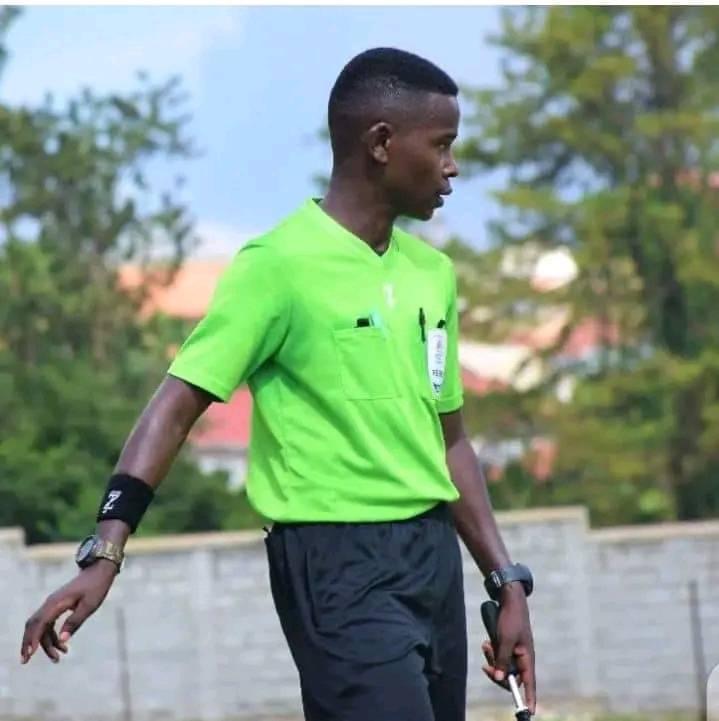
Assistant referee Peter Kabugo passes away during sports club Villa match against UPDF
49
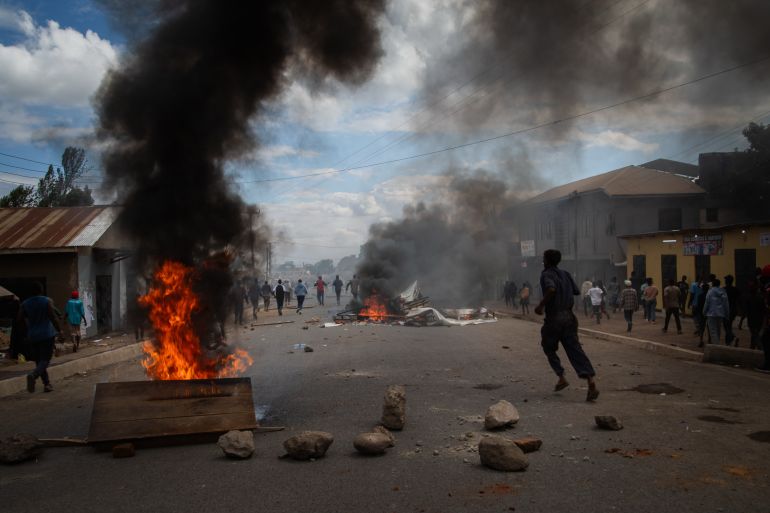
The Opposition Claims Hundreds Of Tanzanian Protesters Around 700 Already Dead.
50
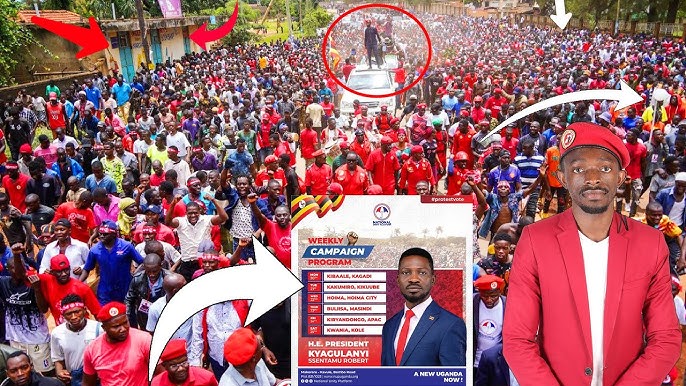
Uganda Police Ban Campaign Processions and Ambulance Misuse as Bobi Wine Launches Kampala Campaigns in Kawempe | 2026 Elections.
51
_biography_–_the_rising_star_in_the_music_industry..jpeg)
DAX (Daniel Nwosu) Biography – The Rising Star in the Music Industry.
52
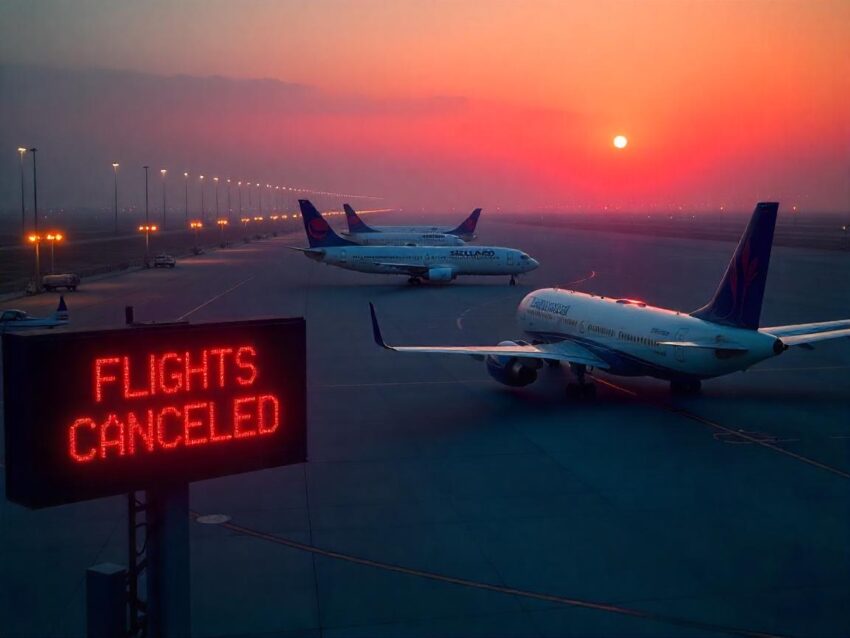
Qatar, UAE, Saudi Arabia, and other Gulf nations have shut down airspace amid rising tensions, causing massive flight cancellations and travel chaos. Latest updates here.
53
Exposed Tricks How Some Financial Credit Institutions In The Names Of Money Lenders Are Stealing From Poor Ugandans .
54
Uganda’s New Law Allowing Military Trials for Civilians.
55
Russia Begins Production of Advanced Oreshnik ICBM: A New Era in Strategic Capabilities.
56
Iran-Israel War: Origins, Casualties, Global Impact, and Future Projections.
57
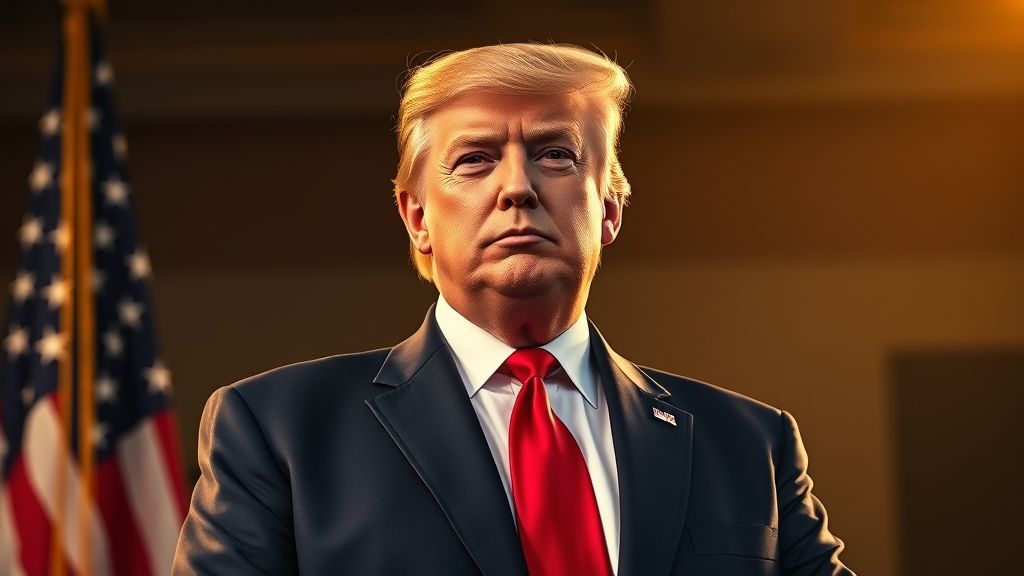
Why J Donald Trump Is Still Dominating American Politics
58

Daily USSD Codes for MTN UG and Airtel UG that may assist you when having some Emergencies.
59
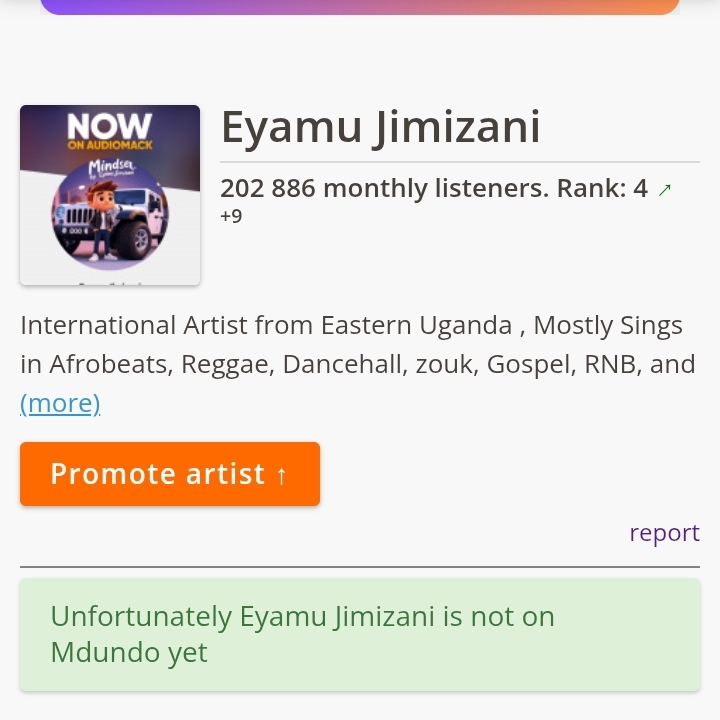
Mdundo Temporarily Blocked My Music Page After Hitting 1 million Streams Plus, My 5 million Uganda Shillings Will be losts .
60

Six Dangerous Diseases You Can Catch Through Kissing _What You Need To Know.
61
SEE NAMES OF UGANDANS SHORTLISTED FOR GOVERNMENT PAYROLL JOBS AS HEAD TEACHERS, DEPUTIES IN KCCA SCHOOLS.
62

TotalEnergies Sued in Uganda Over Unpaid Bill for Toxic Fuel Depot Cleanup in Kampala.
63
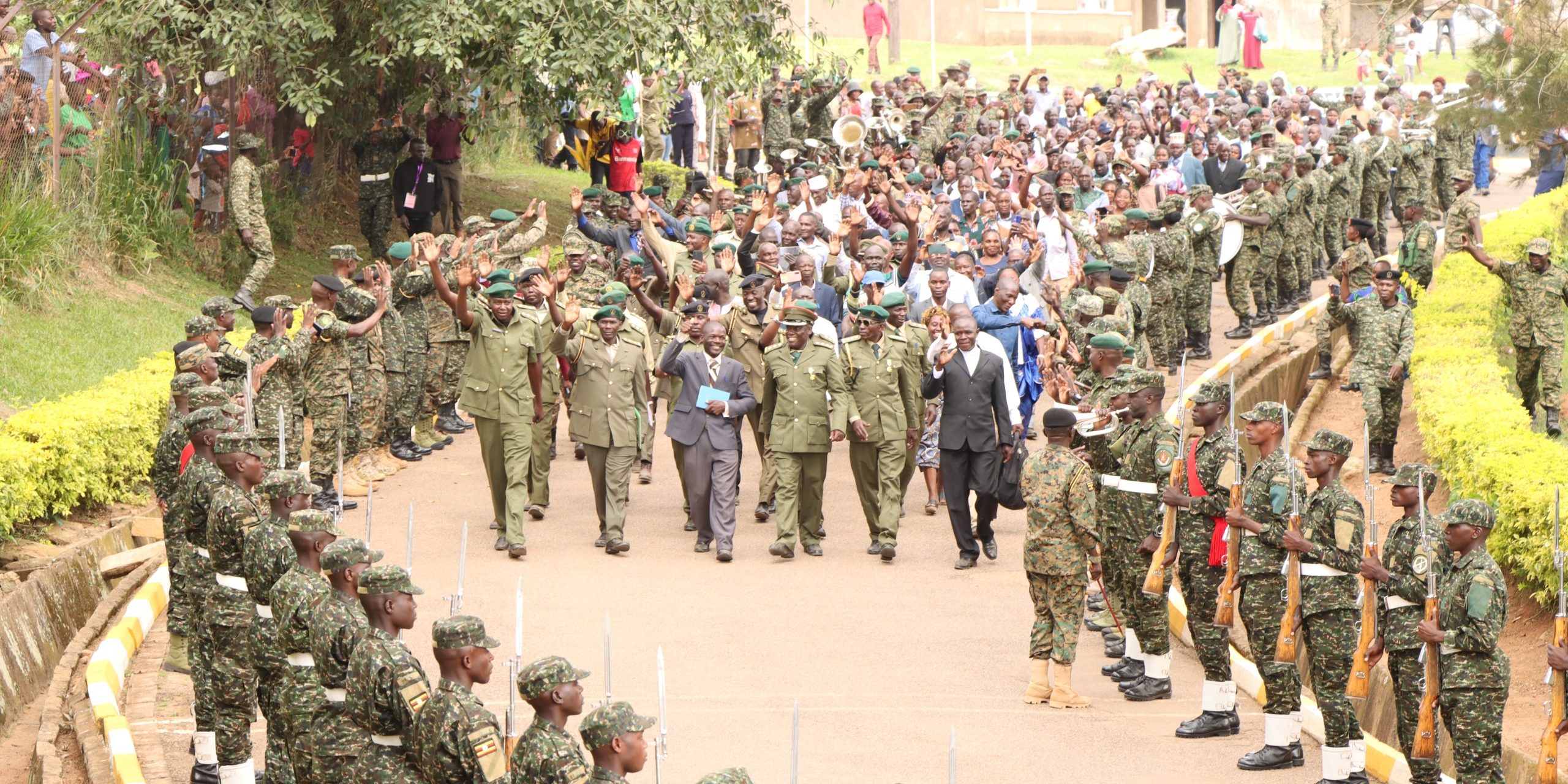
UPDF Bids Farewell to Over 600 Retirees in Nationwide Ceremonies.
64

Runfarbiz Network Improved Streaming Features Includes The Following.
65

Top Most Corrupt Institutions Made To Control Human Race Under The Financial Matrixs They Are Not Telling You.
66
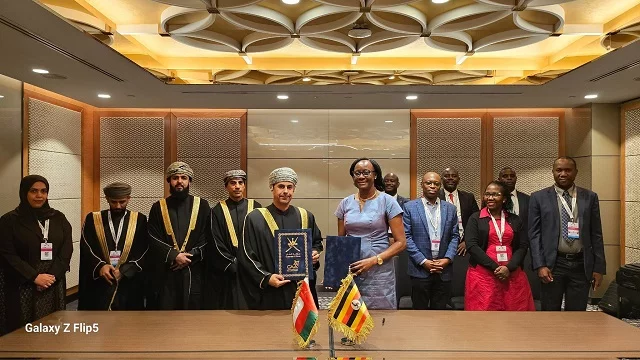
UGANDA SIGNS BILATERAL AIR SERVICE AGREEMENT WITH OMAN.
67

Microsoft has unveiled their new Copilot AI model
68

VINKA AND FIK FAMAICA TO LEAD MUBs GALA
69
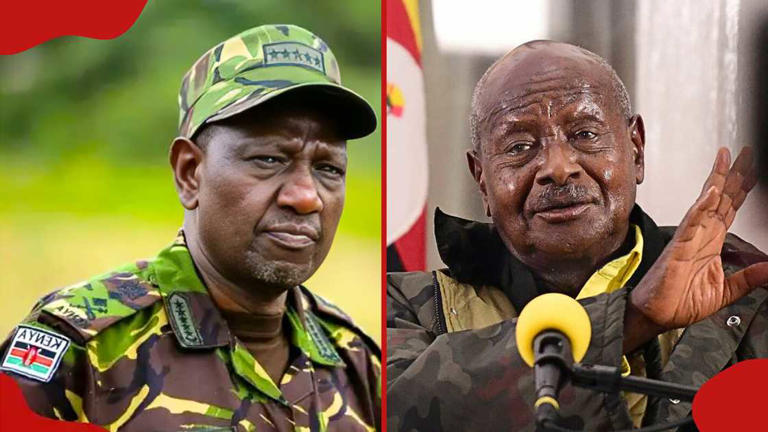
Uganda and Kenya Assure No War Over Indian Ocean Oil Dispute , Museveni Remarks, Mudavadi Response & EAC Diplomacy 2025.
70

President Yoweri Museveni has promised to address two critical needs in Obongi District—electricity and better roads
71

Antoine Semenyo £65m Release Clause Active in January: Man City, Liverpool & Spurs Monitoring Bournemouth Star.
72
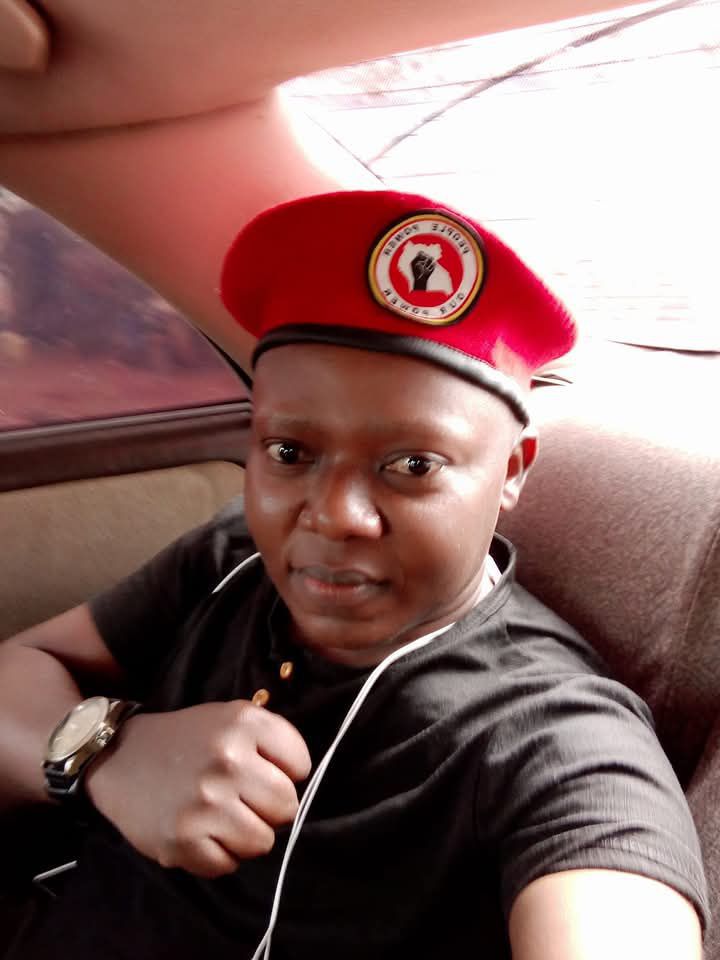
Singer Daudi Mugema dies in Gulu
73

See why your always having sex on dreams, Secrets Exposed.
74

The Secret Life of Squirrels: A Tale of Love, Loyalty, and Forests in the Making.
75
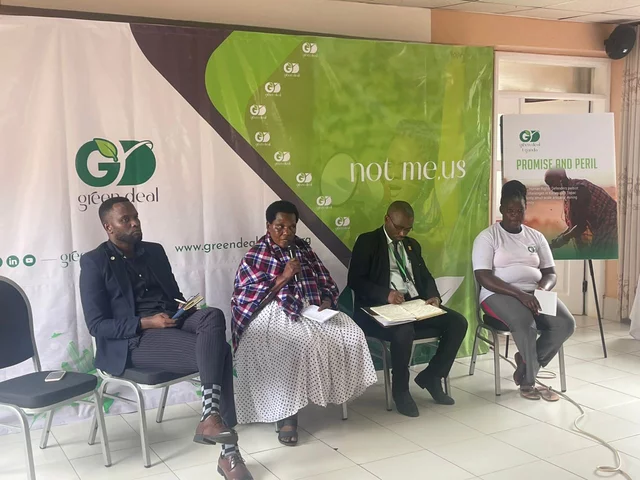
REPORT REVEALS ALARMING HUMAN RIGHT ABUSES IN KARAMOJA MINING SECTOR.
76
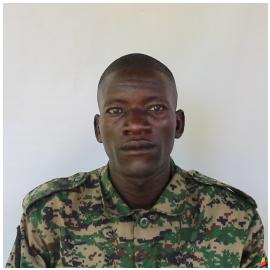
SFC soldier shoots three dead in Agago
77

Uganda and Kenya Harmonise SGR Standards: Land Acquisition Accelerates for Malaba-Kampala Railway Project.
78
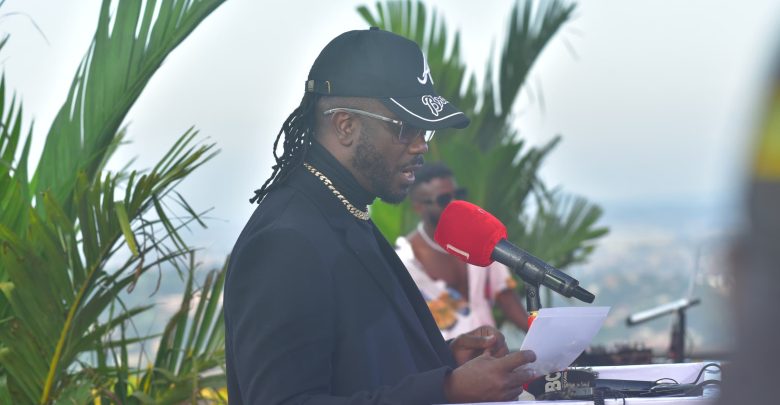
Bebe Cool Announces Release of New Single, ‘Circumference’
79
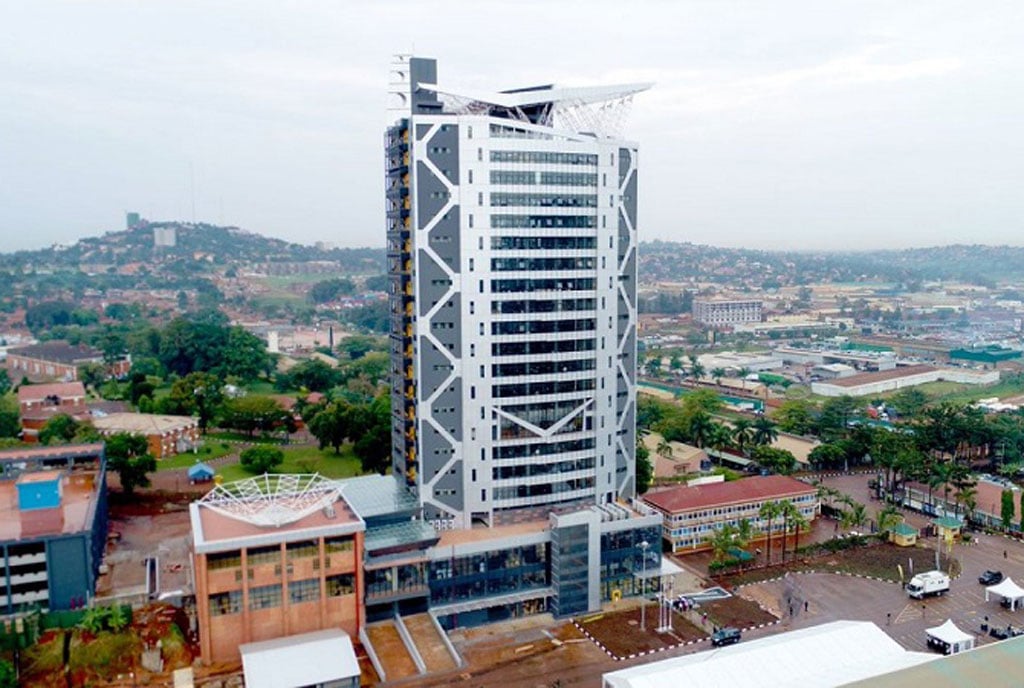
Auditor-General Demands Shs2 Trillion Forensic Tax Audit on Uganda Telecom Companies Over Revenue Discrepancies.
80
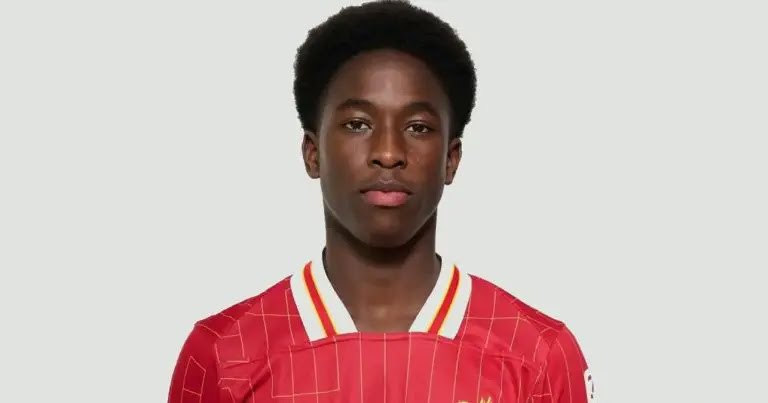
Arsenal Eye Move for Liverpool Wonderkid Joshua Abe | 15-Year-Old Right-Back Transfer News.
81
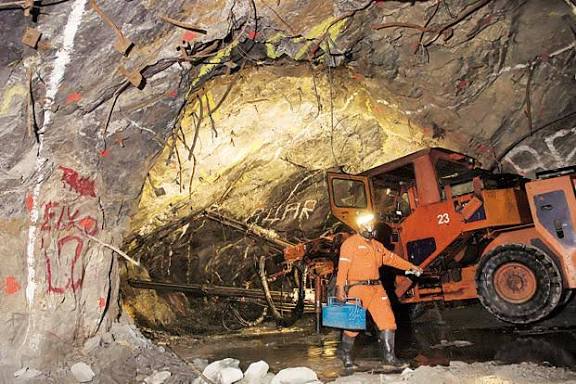
British firm discovers gold worth over $5B in western Kenya.
82
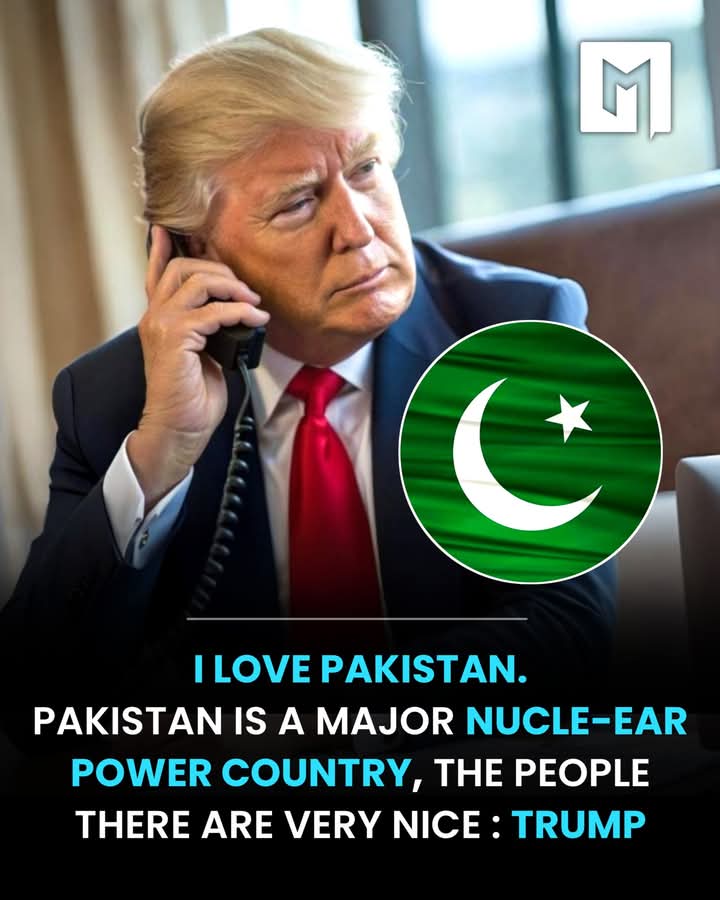
U.S. President Donald Trump recently expressed admiration for Pakistan.
83
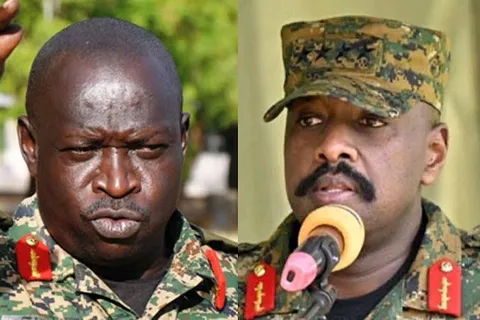
CDF Kainerugaba On Behalf Of UPDF Is Planning To Reshuffle Their Generals Like GEN Elwelu.
84
GOVERNMENT OF UGANDA TO RECRUIT OVER 2800 TEACHERS AHEAD OF NEW TERM.
85

UPC's Jimmy Akena Vows No Space for NRM in 2026 Elections: Uganda People's Congress Resurgence Ahead of General Polls.
86
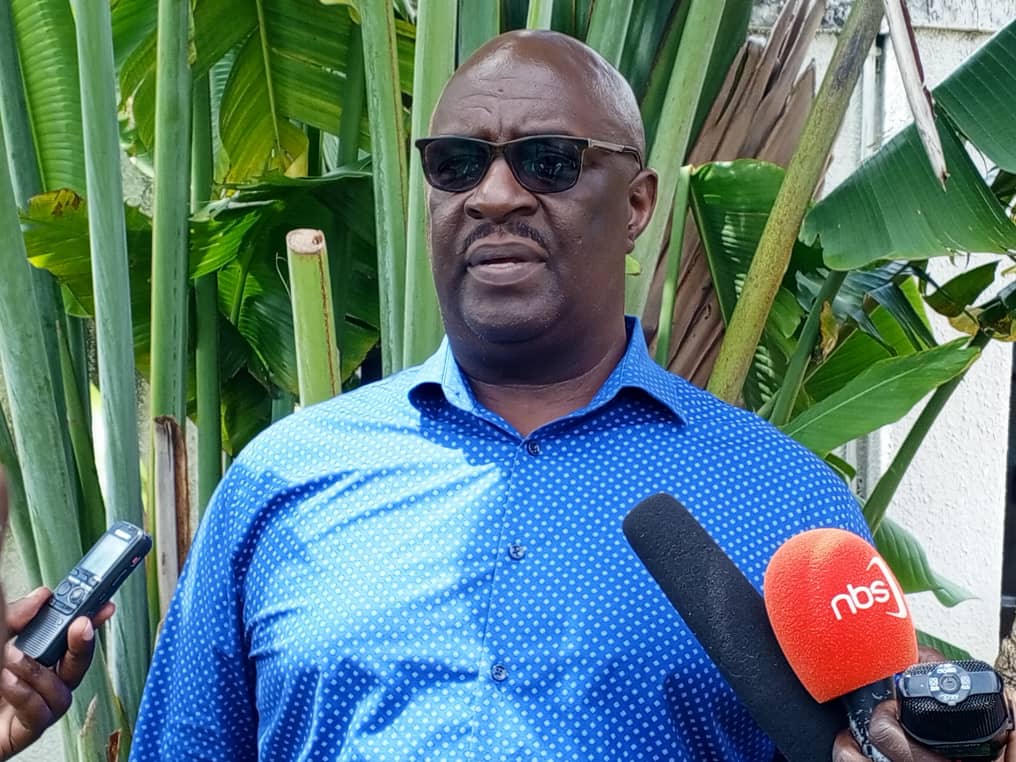
Bunyoro Kingdom Rejects UCDA Rationalization, Calls for Increased Funding
87
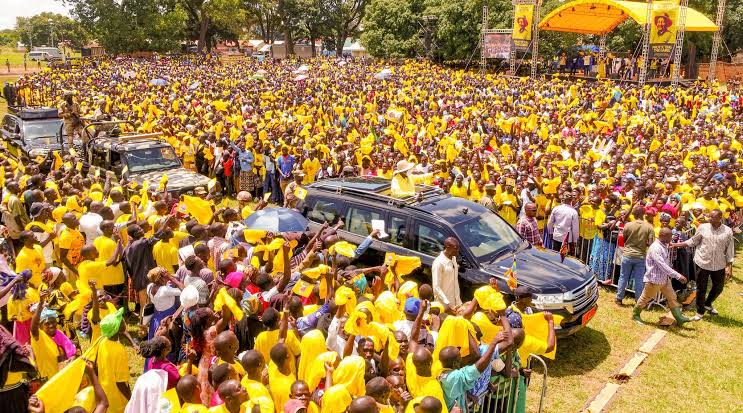
H.E Yoweri Kaguta Museveni Is The Most Concerned Ugandan Patriot.
88
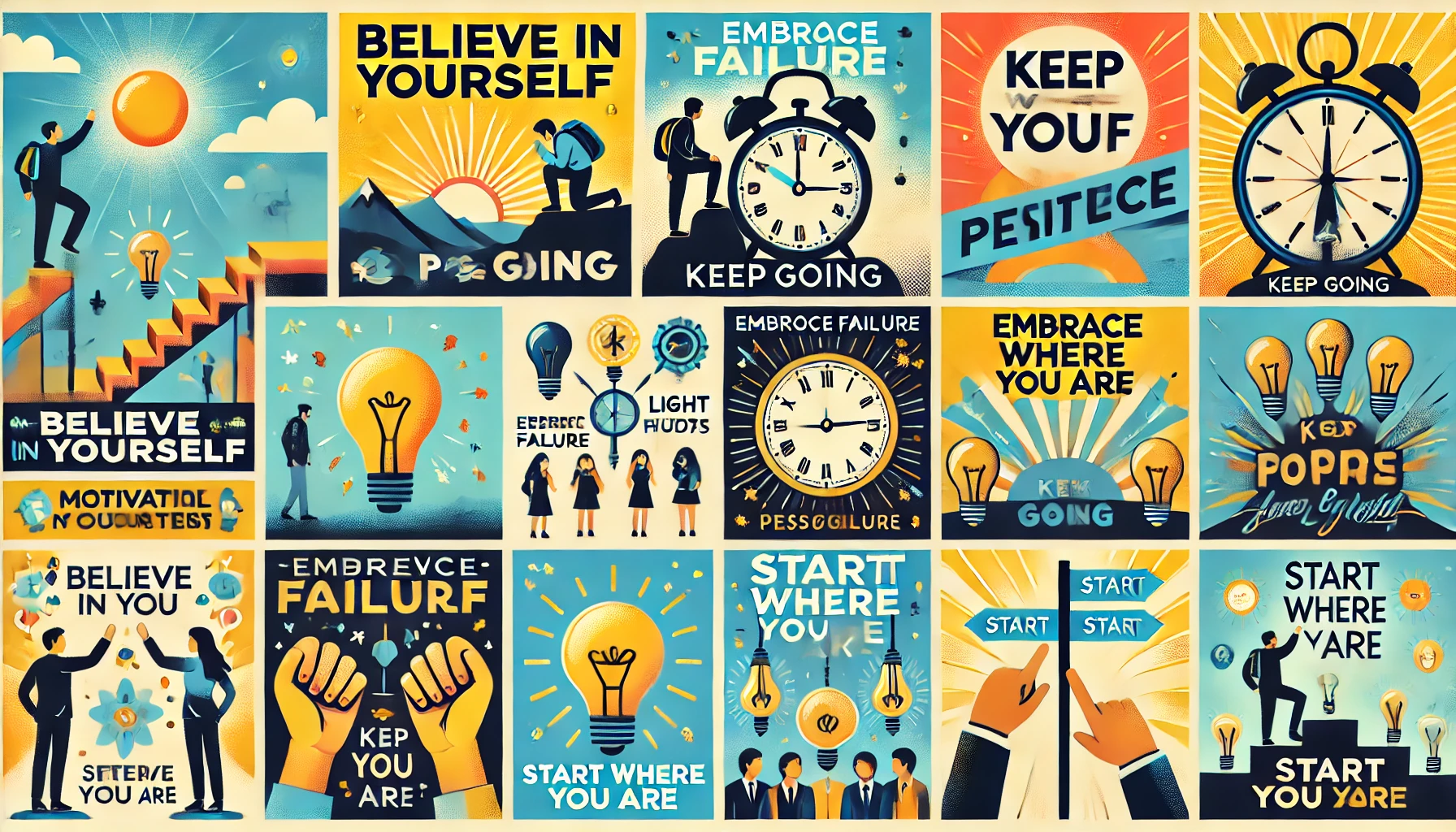
25 Motivational Tips & Quotes that shall Inspire You.
89

Why Bobiwine Has Been Failing The Political Presidential Elections In Uganda.
90
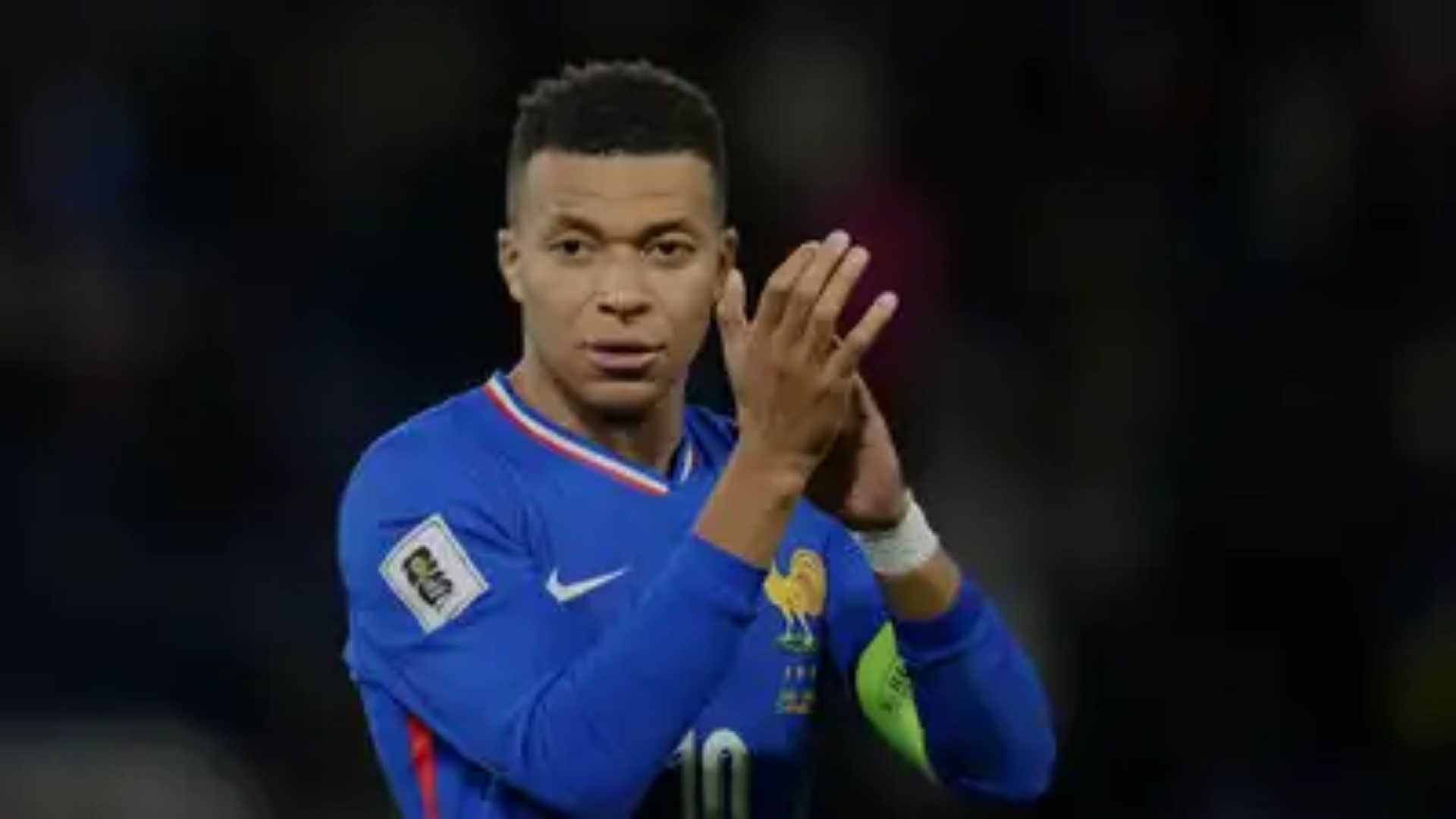
Kylian Mbappé Breaks Messi Record: Youngest to 400 Career Goals Since Pelé at Age 26.
91
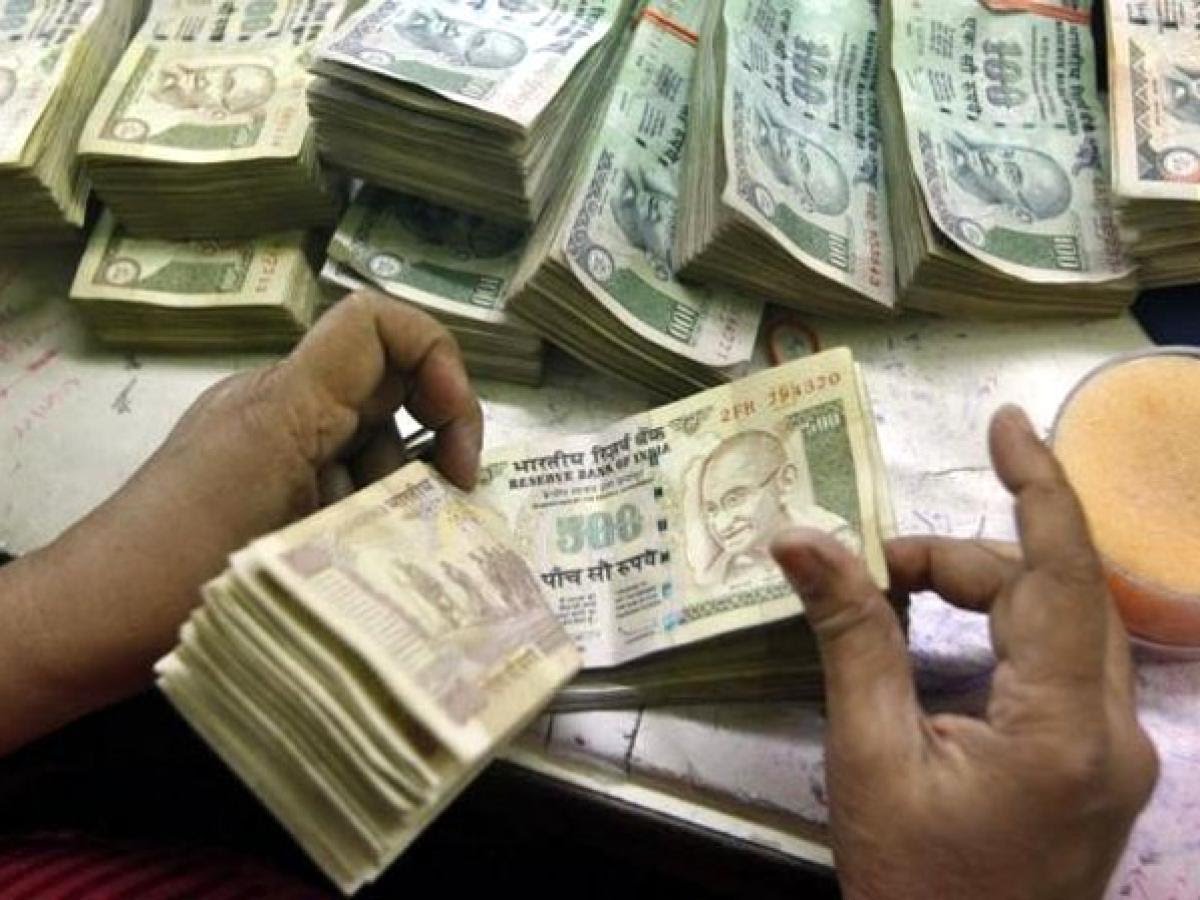
Pakistan Tightens Cash Dollar Sales in Bid to Curb Outflow and Support Rupee.
92
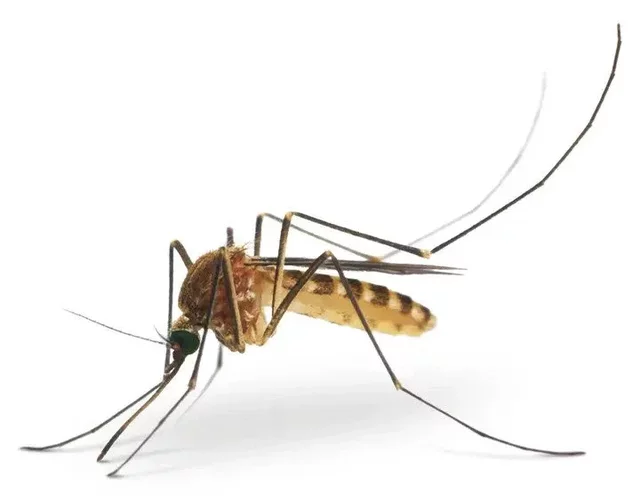
4 THINGS MOSQUITOS DON'T LIKE, WHICH WILL MAKE THEM RUN FROM BITTING YOU.
93

How to stay the happy life without money in your pocket
94
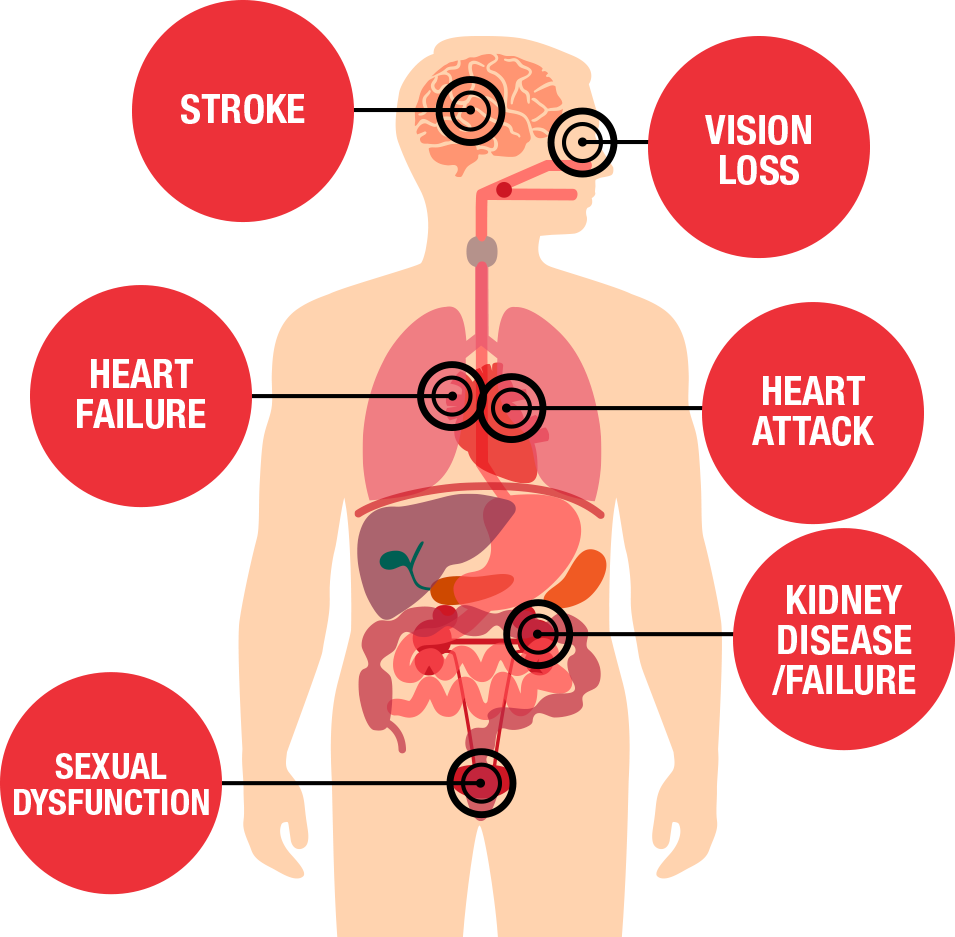
Causes and prevention of high blood pressure
95
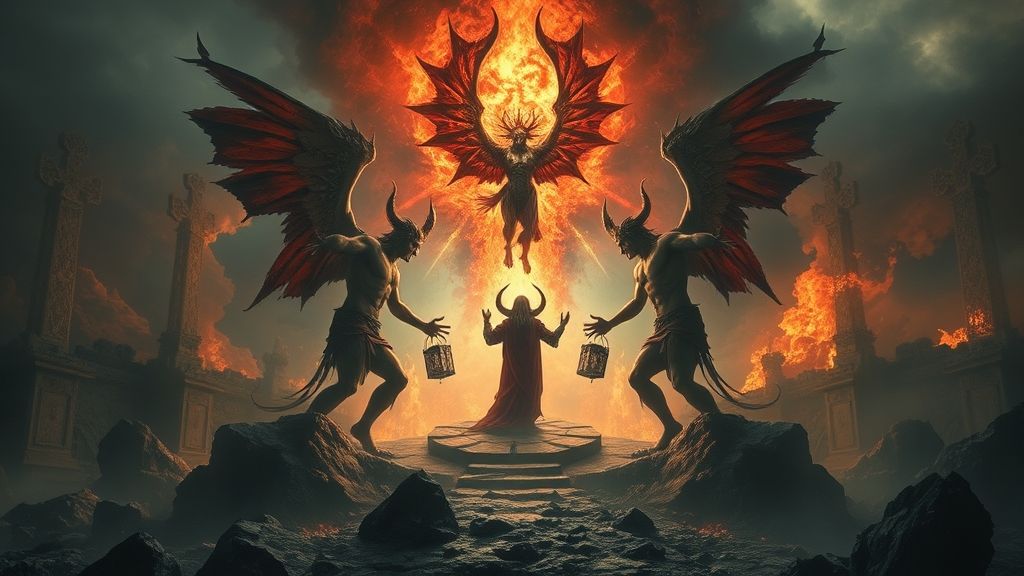
Stop praying like this, You will summon demonic forces from abyss without knowing
96

Boywisky music official ft Bill Ranka Uganda have already released a new song titled "Yom Cwinya"
97
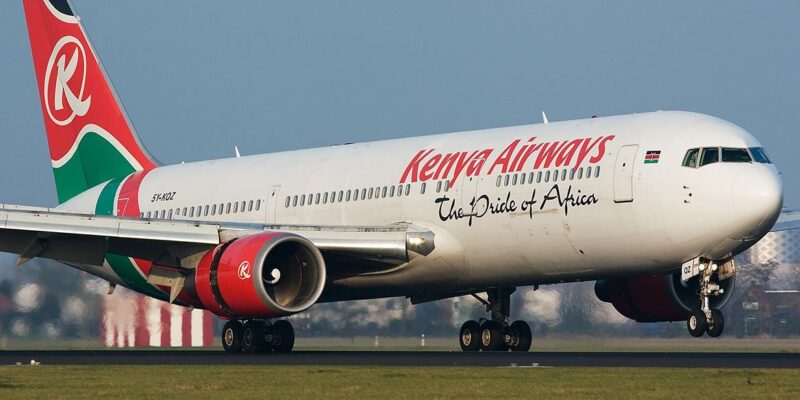
In tit-for-tat, Zambia suspends Kenya Airways flights over country’s denial of access to Zambia Airways
98

HOW UGANDAN'S ENERGY SECTOR WILL PERFORM IN 2026.HOW UGANDAN'S ENERGY SECTOR WILL PERFORM IN 2026.
99
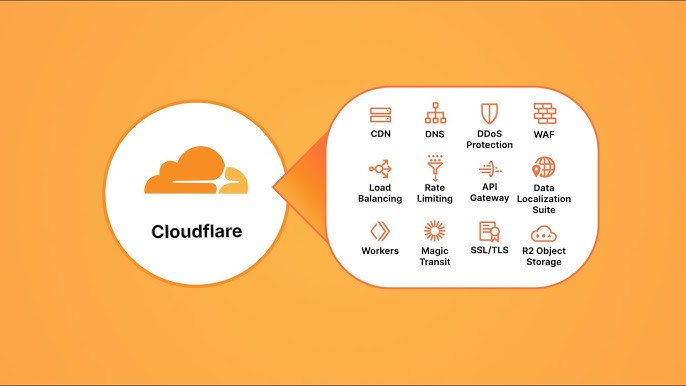
Cloudflare Outage November 18 2025: Why the Internet Broke and How Cloudflare Actually Works Behind the Scenes.
100
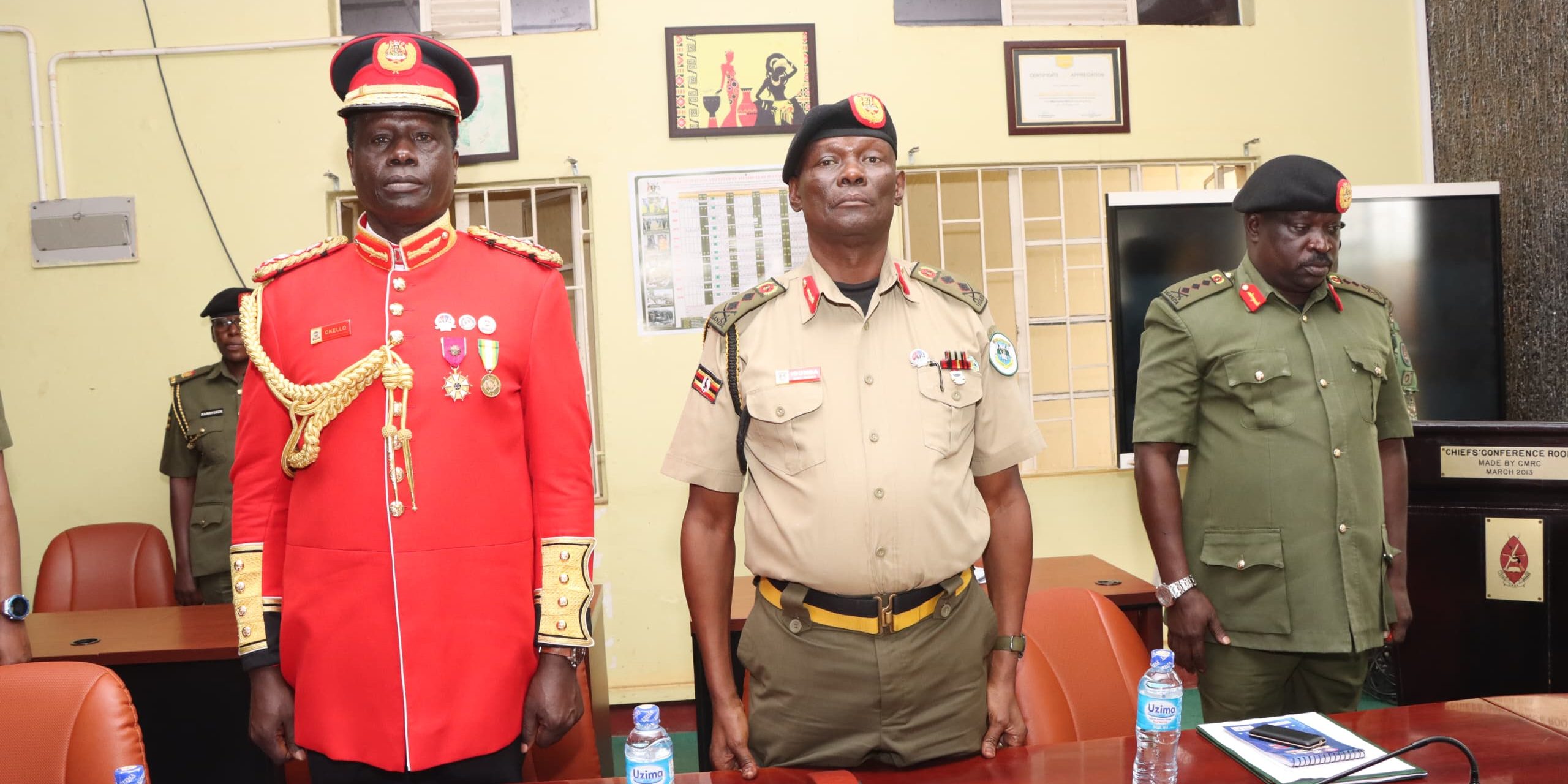
UPDF SALUTS SEVEN GENERALS , AWAITING THEIR OFFICIAL RETIREMENT
RECENT CONTENTS
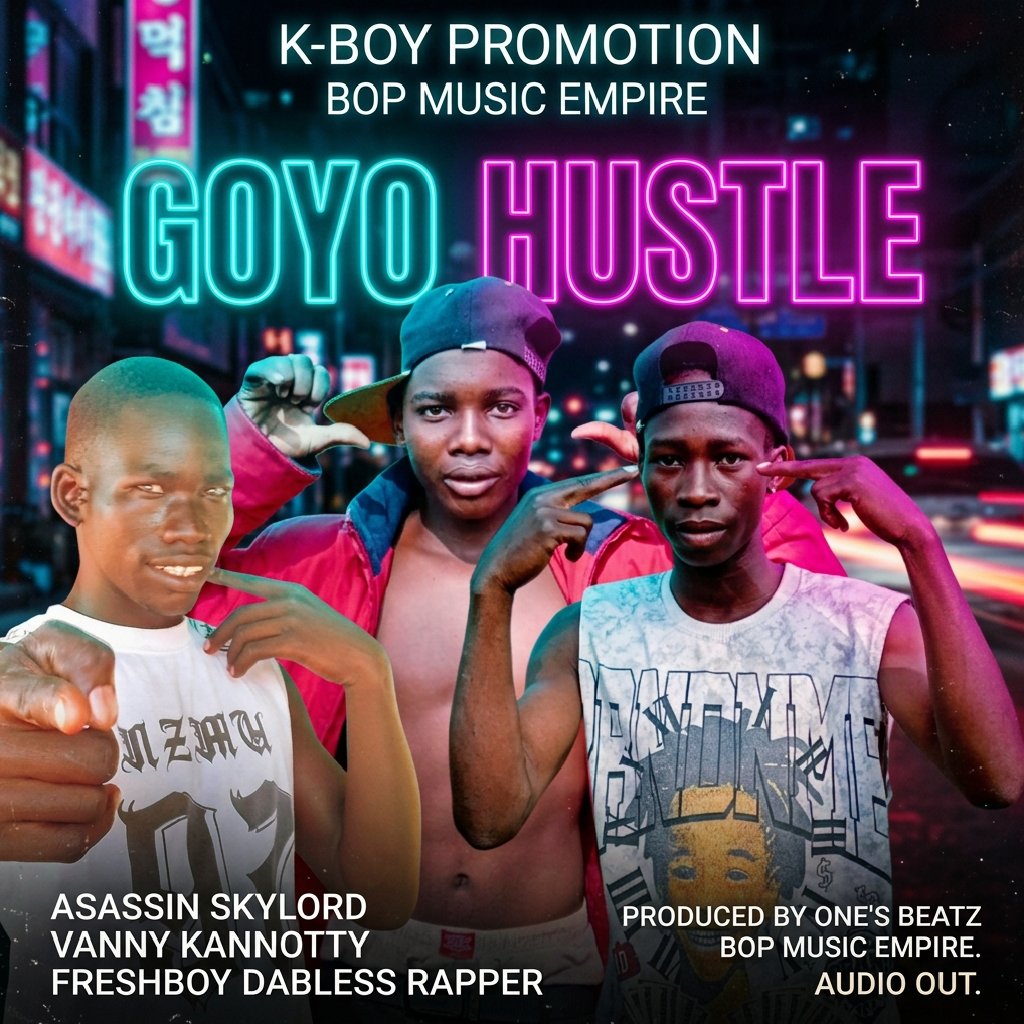
Goyo hustle by FreshBoy dabless rapper ft vanny kanotty_-_Asassin Skylord is out
FreshBoy Dabless, alongside rising artists Vanny Kanotty and Assassin Skylord, has officially released a brand-new hit titled “Goyo Hustle.” The track delivers a powerful message centered on determination, hard work, and the everyday grind for success. “Goyo Hustle,” which translates to hustling, reflects the artists’ real-life experiences and ambitions in the music industry. The collaboration showcases unique styles, energetic delivery, and a strong connection to street culture. Fans and music...
Read More

Biography Of The Chainsmokers
The Chainsmokers are an American electronic music duo comprised of Alex Pall, born on May 16, 1985, and Drew Taggart, born on December 31, 1989. The two came together in New York City in 2012 after Alex, who had been working as a DJ, was introduced to Drew through a manager. They quickly bonded over their shared passion for dance music and began producing original tracks and remixes, initially gaining...
Read More
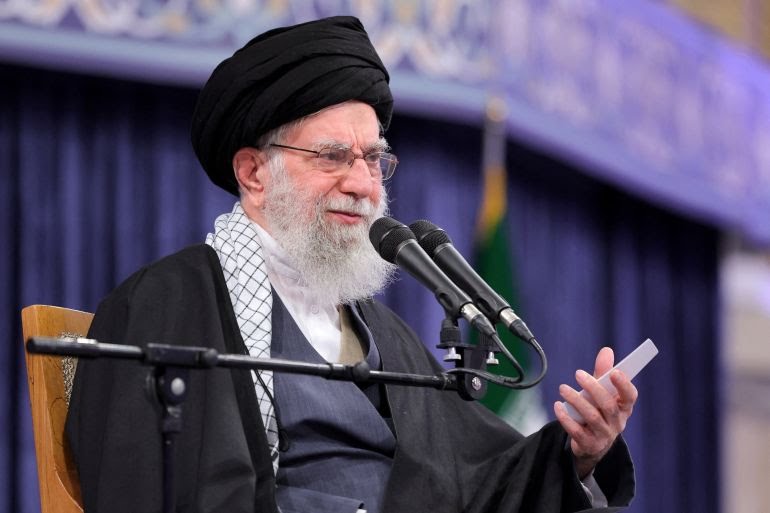
Irans Supreme Leader Confirmed Killed By Israels Joint Attack With America
On February 28 and into March 1, 2026, Israel and the United States launched a coordinated joint military operation against Iran, marking a significant escalation in long-running tensions over Tehran’s nuclear and missile programs. The offensive involved extensive airstrikes by Israeli forces and participation by U.S. military assets targeting Iranian military infrastructure, command centers, missile sites, air defenses, and political leadership compounds. Several senior Iranian officials and commanders were reported...
Read More

WestLife - Biography And Their Music Journey.
Westlife, the Irish pop group, came together in Dublin in July 1998 when Shane Filan, Kian Egan, and Mark Feehily, who had been schoolmates from Sligo, joined forces with Nicky Byrne and Brian McFadden following auditions to complete the original five-member lineup. by Louis Walsh and initially supported by Ronan Keating, they quickly signed a >
Managedajor record deal and burst onto the scene in 1999 with their debut single...
Read More
Niki Biography And Music – Indonesian Singer-Songwriter, Global Pop R&B Artist, Career and Music Journey
Nicole Zefanya, known professionally as Niki, is an Indonesian singer-songwriter born on January 24, 1999, in Jakarta, Indonesia. She is recognized for her alternative pop and R&B sound and is signed to the record label 88rising. Over the years, she has gained global recognition for her songwriting and musicianship, building an international audience while living and working in the United States.
Niki began developing her musical skills at a young age...
Read More

Afgan Music And Biography Of The Artist – Indonesian Singer, R&B Artist, Albums, Career Journey, and Music Evolution.
Afgansyah Reza, known professionally as Afgan, is an Indonesian singer and actor born on May 27, 1989, in Jakarta, Indonesia. He is widely recognized for his smooth pop and R&B style and has become one of Indonesia’s most prominent contemporary male vocalists.
He grew up in a musical Muslim family of Minangkabau heritage and is the second of four children.
Interestingly, despite later becoming famous for his voice, he never underwent...
Read More